
Quick Answer
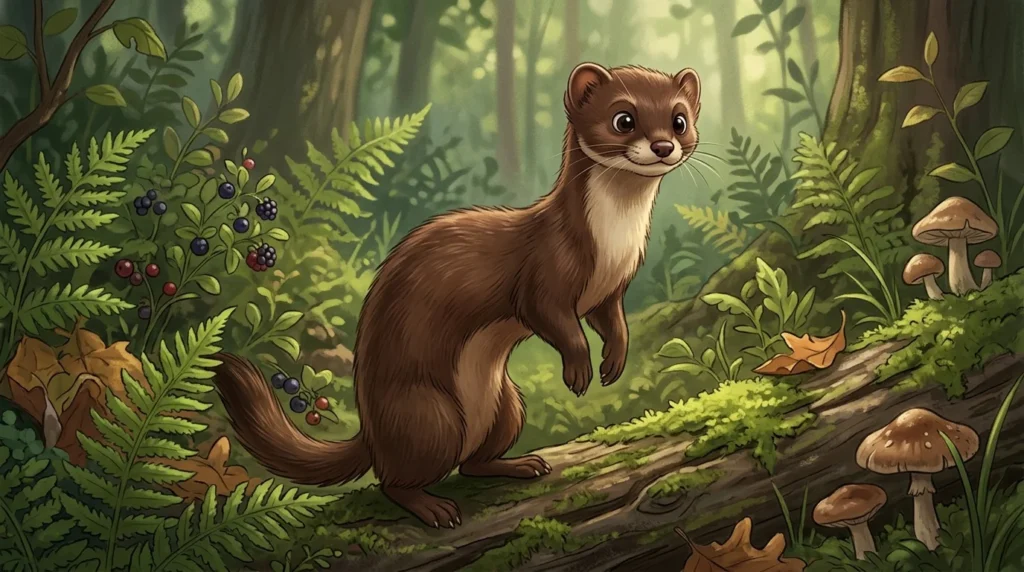
A weasel is usually a small, slim land predator with a narrow body and relatively short tail. A mink is generally larger, darker, and adapted to hunting around rivers, wetlands, and other water sources.
Quick clue: tiny and extremely slender may suggest a weasel; larger, dark, and near water may suggest a mink.
What Is a Weasel?
A weasel is a small carnivorous mammal belonging to the family Mustelidae. This animal family also includes minks, otters, badgers, and ferrets.
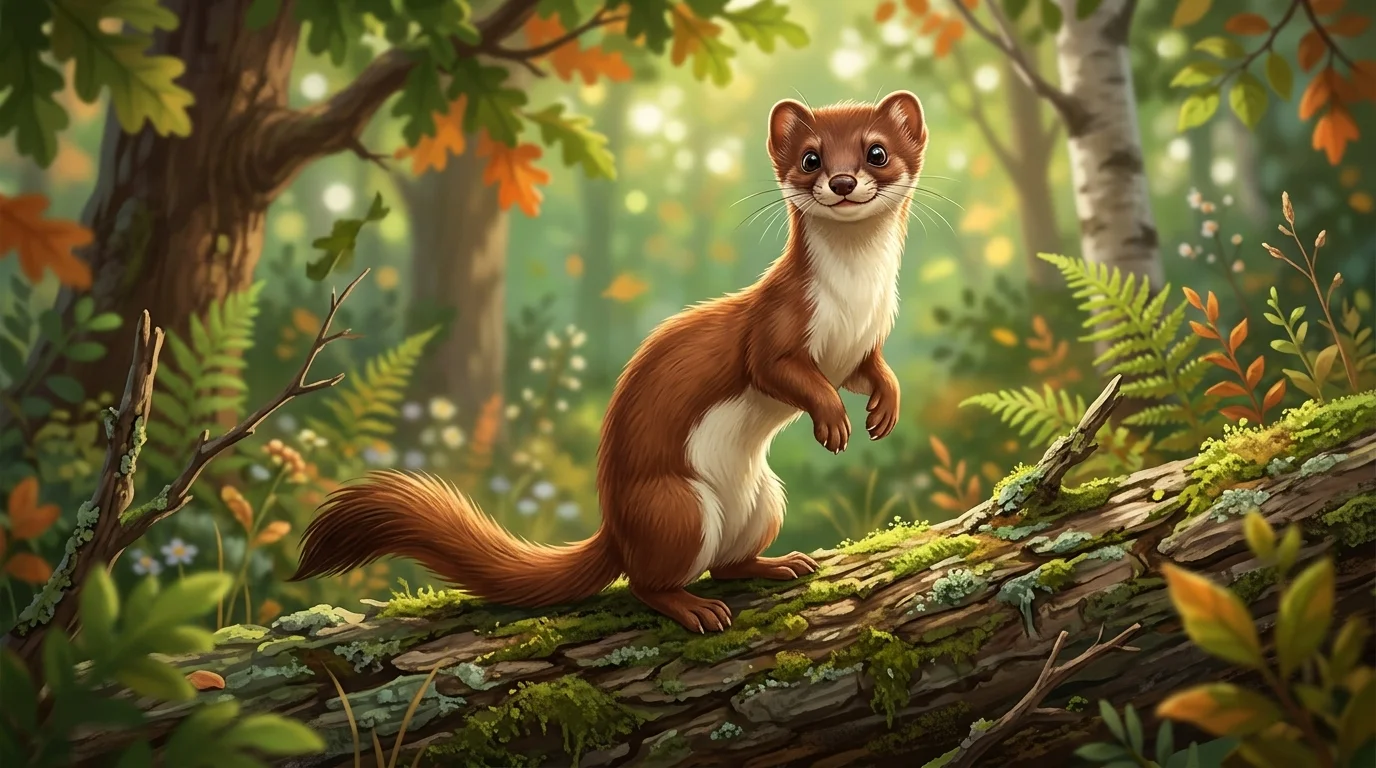
Weasels are known for their long, narrow bodies and short legs. Their slim build helps them chase small prey into tight spaces and burrows.
How to Identify a Weasel
Common weasel characteristics include:
- A very slim and elongated body
- Short legs
- A small head
- Brown or reddish-brown upper fur in many species
- Lighter or white underparts in several species
- Fast and energetic movement
Some weasel species living in colder regions can develop a white winter coat.
Where Do Weasels Live?
Weasels can live in a wide range of environments, including:
- Grasslands
- Woodlands
- Farmland
- Fields
- Hedgerows
- Rocky areas
They are mainly terrestrial, although individual species can climb or swim when necessary.
Real Examples of Weasel Usage
Example 1: We saw a weasel running across the field.
Example 2: The weasel disappeared into a narrow hole while hunting.
Example 3: Its tiny body and light-colored underside made the animal look like a weasel.
Key insight: A small size, extremely slender body, and land-based setting are useful weasel identification clues.
What Is a Mink?
A mink is also a carnivorous member of the Mustelidae family. However, minks are generally more strongly connected with aquatic and semi-aquatic habitats.
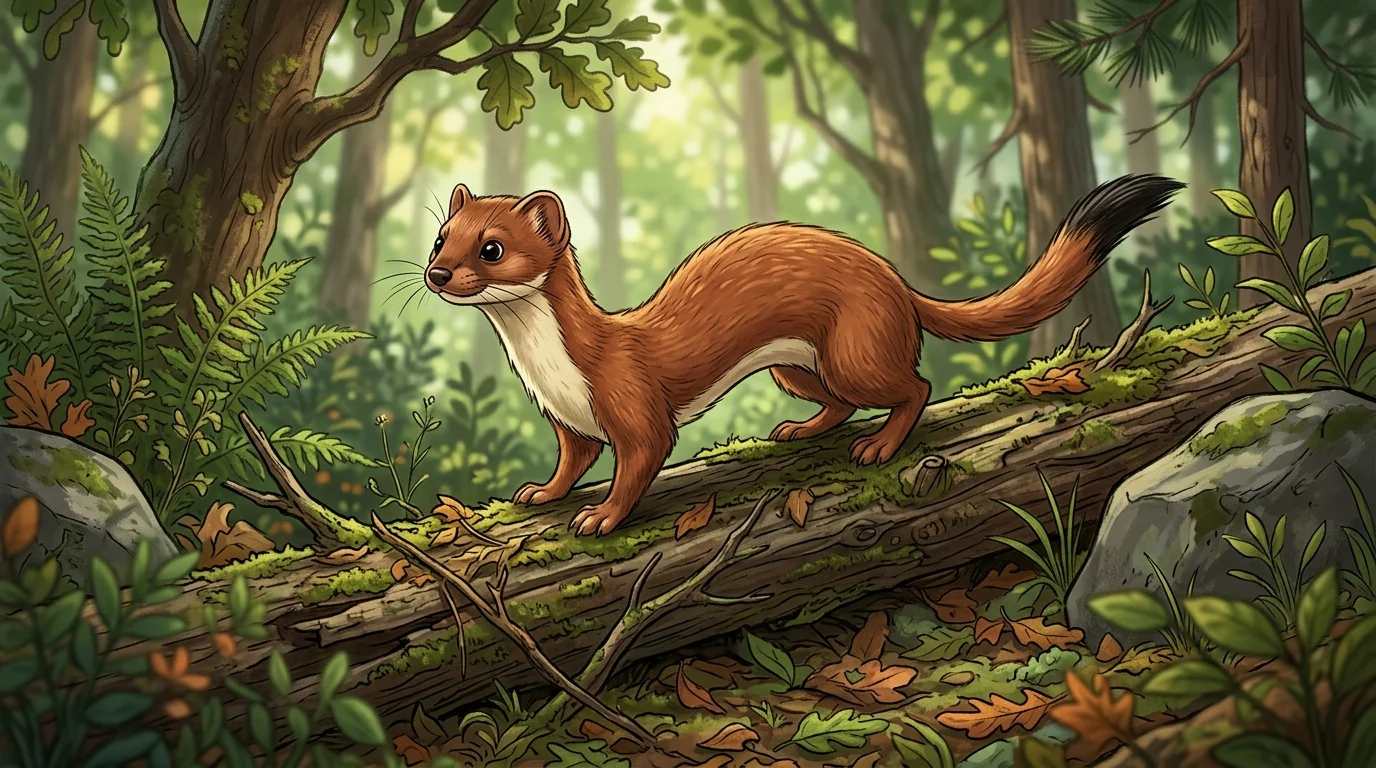
Their bodies are long, but they usually look heavier and more robust than weasels.
How to Identify a Mink
Typical mink characteristics include:
- A long body
- Short legs
- A thicker build than many weasels
- Usually dark brown fur
- A relatively bushy or substantial tail
- Strong swimming ability
The American mink is especially well adapted to life around water.
Where Do Minks Live?
Minks are commonly associated with:
- Rivers
- Streams
- Lakes
- Marshes
- Wetlands
- Pond edges
Their habitat is one of the strongest clues when comparing a mink or weasel.
Real Examples of Mink Usage
Example 1: A dark mink swam across the stream.
Example 2: The mink searched along the riverbank for prey.
Example 3: Its dark coat and strong swimming behavior suggested it was a mink.
Key insight: A dark, relatively sturdy mustelid regularly seen near water is more likely to be a mink.
Weasel or Mink: Key Differences Explained
The easiest way to solve the weasel or mink identification problem is to compare several features instead of relying on one clue.
Main Differences Between a Weasel and Mink
- Meaning: Both are carnivorous mustelids, but they belong to different animal groups within the family.
- Size: Weasels are generally smaller; minks are usually larger.
- Body shape: Weasels often look extremely thin; minks appear heavier.
- Fur: Many weasels have lighter underparts, while minks are often dark brown.
- Habitat: Weasels commonly hunt on land; minks are strongly associated with water.
- Swimming: Minks are powerful swimmers and frequent aquatic hunters.
- Common mistake: People often identify any long, brown mustelid as a weasel.
Weasel vs Mink Comparison Table
| Feature | Weasel | Mink |
|---|---|---|
| Meaning | Small carnivorous mustelid | Semi-aquatic carnivorous mustelid |
| Usage | Refers to several weasel species | Refers mainly to mink species |
| Context | Fields, woods, farms, grasslands | Rivers, lakes, streams, wetlands |
| Body | Very slim and narrow | Larger and more robust |
| Fur | Often brown above and pale below | Usually dark brown |
| Swimming | Can swim | Strongly adapted to swimming |
| Example | A weasel crossed the field | A mink swam beside the riverbank |
The strongest practical difference is habitat combined with body size and appearance.
Real-World Weasel or Mink Usage Scenarios
Understanding animals through realistic situations makes identification much easier.
Scenario 1: The Animal in a Field
Sam: I saw a tiny brown animal racing through the grass. Was it a mink?
Alex: If it was extremely small, slim, and far from water, it may have been a weasel.
🎯 Lesson: A tiny, narrow-bodied animal in a field is more consistent with a weasel.
Scenario 2: The Riverbank Hunter
Mia: A dark animal jumped into the river and swam quickly.
Noah: That behavior and habitat strongly suggest a mink.
🎯 Lesson: Regular swimming and river habitats are major mink clues.
Scenario 3: The Dark Brown Animal
Ben: I identified it as a weasel because it had a long body.
Emma: Body length alone isn’t enough. Its dark coat, heavier build, and waterside habitat may point to a mink.
🎯 Lesson: Never identify a mustelid using body shape alone.
Scenario 4: The Farm Visitor
Jack: A tiny predator disappeared into a narrow opening near the field.
Liam: Its size and ability to enter tight spaces could indicate a weasel.
🎯 Lesson: Weasels have remarkably narrow bodies suited to pursuing small prey.
Scenario 5: The Pond Mystery
Ella: Was that a weasel swimming beside the pond?
Ryan: Possibly, but if it was dark, relatively large, and confidently hunting around water, mink is the stronger identification.
🎯 Lesson: Use habitat, size, coat color, and behavior together.
Common Weasel or Mink Identification Mistakes
Even experienced nature watchers can briefly confuse similar mustelids. Most mistakes happen because people focus on one feature.
Mistake 1: Every Long Animal Is a Weasel
A long body does not automatically mean weasel.
Minks also have elongated bodies.
Why it happens: The classic slim mustelid body shape is strongly associated with weasels in everyday language.
Correction: Compare body thickness, size, fur, and habitat.
Mistake 2: Any Brown Animal Is a Mink
Brown fur alone is weak evidence.
Both animals can have brown coats.
Why it happens: Mink is often associated with dark brown fur.
Correction: Look for a uniformly dark appearance and a strong connection with water.
Mistake 3: Ignoring the Habitat
People sometimes focus entirely on the animal’s appearance.
Why it happens: Appearance feels like the fastest identification method.
Correction: Ask one simple question: Was the animal regularly moving in or around water?
Mistake 4: Using Size Alone
Size can help, but distance and viewing angle can be misleading.
Why it happens: A nearby weasel may appear larger than a distant mink.
Correction: Combine estimated size with body shape and behavior.
Mistake 5: Assuming Weasels Cannot Swim
Weasels can swim.
The difference is that minks are much more strongly associated with aquatic environments.
Why it happens: Simplified comparisons often describe weasels as land animals and minks as water animals.
Correction: Think habitat preference, not absolute ability.
Easy Memory Tricks for Weasel or Mink
A few mental shortcuts can make the mink vs weasel difference easier to remember.
Remember “Mink Means Moist”
Connect the M in mink with moist environments.
Mink → Moist → Water
This is not a scientific rule, but it is a useful memory shortcut.
Think “Weasel = Wispy”
A weasel often has a very thin, almost wispy-looking body.
Weasel → Wispy → Very slim
Use the Water Test
Ask:
“Was it strongly associated with water?”
If yes, consider mink.
If no, and the animal was exceptionally small and slender, consider weasel.
Remember the Body Difference
Weasel = thinner
Mink = sturdier
These simple visual associations can help with quick field identification.
Expert Insight
The similarity between weasels and minks is not accidental. Both belong to Mustelidae, a diverse family of carnivorous mammals.
Many mustelids share an elongated body plan. A long torso and short legs can be useful when pursuing prey through vegetation, narrow spaces, burrows, or complex habitats.
The key difference comes from ecological specialization.
Many weasels are highly effective terrestrial hunters of small animals. Their extremely narrow bodies help them follow prey into confined spaces.
Minks, in contrast, are more strongly adapted to semi-aquatic life. Their hunting behavior often centers on shorelines, waterways, and wetland habitats.
Taxonomy also matters. The word “weasel” can refer broadly to several closely related species, while “mink” refers to a different mustelid grouping.
This explains why a simple color comparison is unreliable. weasel or mink.