
Quick Answer
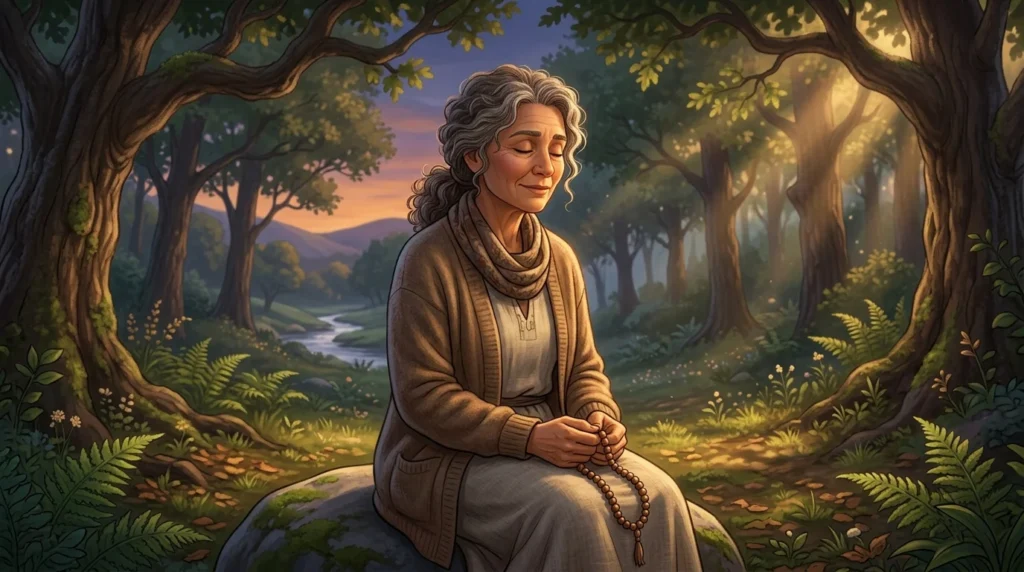
Being religious usually means practicing an organized religion with shared beliefs, rituals, and community traditions.
Being spiritual generally refers to a personal journey of seeking meaning, purpose, inner peace, or connection with something greater than oneself. A person can be religious, spiritual, both, or neither.

What Does Religious Mean?
Definition
A religious person follows the beliefs, teachings, practices, or traditions of an established religion. Religious life often includes worship, moral teachings, sacred texts, ceremonies, and participation in a faith community.
Common elements include:
- Shared beliefs
- Sacred scriptures
- Places of worship
- Religious ceremonies
- Community gatherings
- Ethical and moral guidance
Characteristics of Religious Practice
- Regular worship or prayer
- Following religious teachings
- Celebrating holy days
- Participating in community services
- Observing religious traditions
- Learning from recognized religious leaders
Examples
- Attending weekly worship services.
- Observing religious fasting during designated times.
- Reading sacred scriptures as part of daily devotion.
Key Insight: Religion typically combines personal faith with shared beliefs, traditions, and community practices.
What Does Spiritual Mean?
Definition
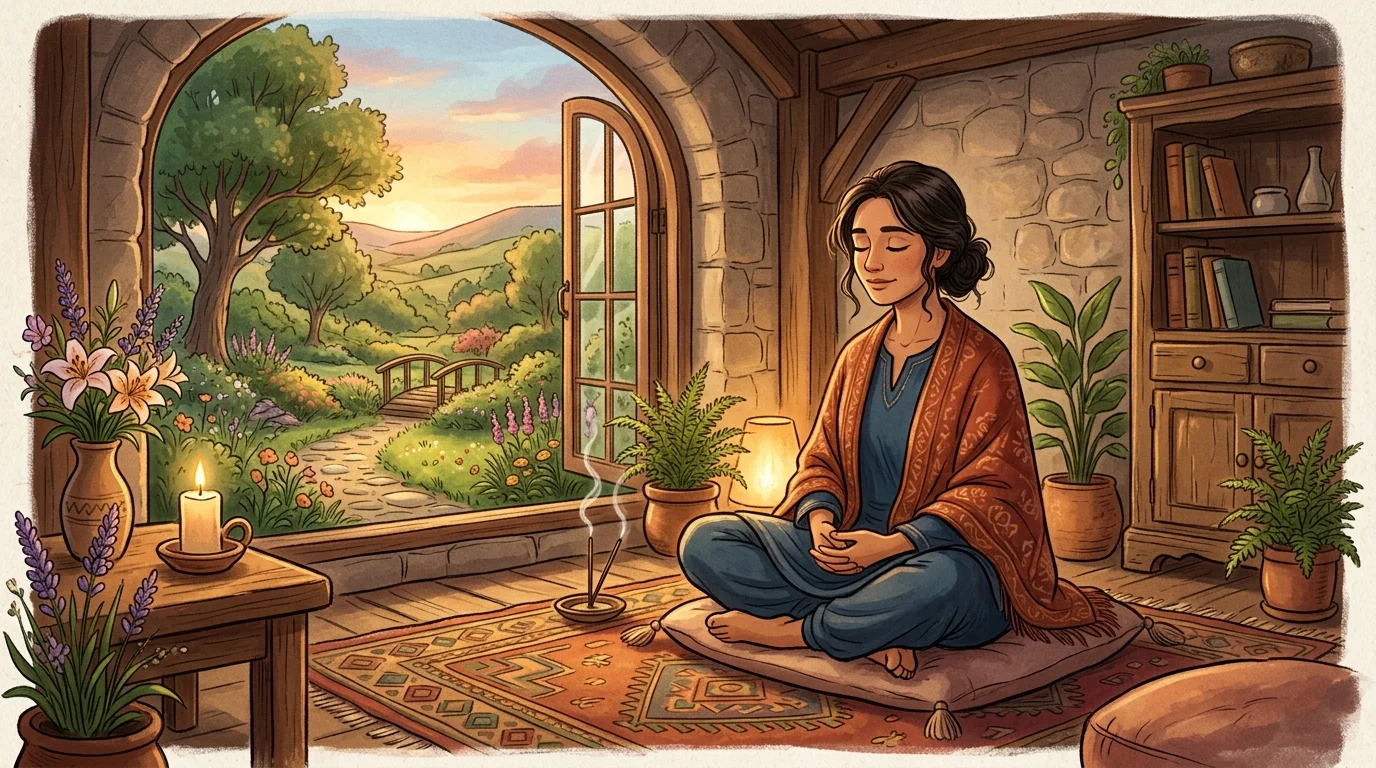
Being spiritual usually means seeking personal meaning, purpose, inner growth, or a sense of connection with something greater than oneself. Spirituality does not necessarily require membership in an organized religion.
People express spirituality in many ways, including:
- Meditation
- Personal prayer
- Reflection
- Time in nature
- Acts of compassion
- Mindfulness practices
Characteristics of Spiritual Practice
- Personal exploration
- Focus on inner growth
- Search for purpose
- Reflection and self-awareness
- Appreciation for interconnectedness
- Flexible personal beliefs
Examples
- Meditating each morning for inner peace.
- Feeling spiritually connected while hiking in nature.
- Reflecting on life’s purpose through journaling.
Key Insight: Spirituality is often individualized and may or may not include formal religious beliefs.
Religious vs Spiritual: Key Differences
Quick Comparison
- Meaning: Religion is generally organized; spirituality is often personal.
- Structure: Religion usually has established teachings and practices; spirituality is more individually defined.
- Community: Religion commonly emphasizes shared worship; spirituality may be practiced alone or with others.
- Authority: Religion often draws on sacred texts and religious leaders; spirituality frequently emphasizes personal experience.
- Flexibility: Spiritual practices may vary widely from person to person.
Comparison Table
| Feature | Religious | Spiritual |
|---|---|---|
| Meaning | Organized system of beliefs and practices | Personal search for meaning and connection |
| Structure | Usually well-defined | Often flexible and personal |
| Community | Frequently community-centered | Can be individual or communal |
| Guidance | Sacred texts and religious traditions | Personal reflection and experience |
| Examples | Worship services, religious holidays | Meditation, mindfulness, personal reflection |
Real-World Usage Scenarios
Scenario 1: Community Worship
Person A: I attend worship services every week.
Person B: That’s part of my religious practice too.
🎯 Lesson: Participating in organized worship is commonly associated with religion.
Scenario 2: Personal Meditation
Person A: I meditate every morning because it helps me feel connected and peaceful.
Person B: Many people describe that as part of their spiritual practice.
🎯 Lesson: Spirituality often emphasizes personal growth and inner reflection.
Scenario 3: Both Religious and Spiritual
Person A: I’m active in my faith community, and I also meditate every day.
Person B: Many people consider themselves both religious and spiritual.
🎯 Lesson: The two terms are not mutually exclusive.
Scenario 4: Spiritual Without Religion
Person A: I don’t belong to a religion, but I spend time reflecting on life’s meaning.
Person B: That’s one example of a spiritual approach.
🎯 Lesson: Spirituality does not always require organized religion.
Scenario 5: Religious Tradition
Person A: Our family celebrates religious holidays every year.
Person B: Those traditions are an important part of our faith.
🎯 Lesson: Religious identity often includes shared customs and ceremonies.
Common Misconceptions
Misconception 1: Religious and Spiritual Mean Exactly the Same Thing
They overlap but are not identical. Religion often includes organized beliefs and practices, while spirituality is usually more personal.
Misconception 2: Religious People Cannot Be Spiritual
Many people identify as both religious and spiritual.
Misconception 3: Spiritual People Reject All Religions
Some spiritual individuals follow no religion, while others also participate in organized faith traditions.
Misconception 4: Religion Is Only About Rules
Religious traditions often include community, service, worship, moral guidance, and personal faith in addition to practices and teachings.
Misconception 5: Spirituality Has One Universal Definition
People describe spirituality in many different ways based on culture, philosophy, and personal experience.
Why These Misconceptions Happen
The words are used differently across cultures, academic fields, media, and personal conversations, leading to confusion.
Memory Tricks
Religious = Religion
If it relates to an organized faith, shared traditions, or established teachings, think religious.
Spiritual = Spirit
If it emphasizes inner growth, personal meaning, or connection beyond oneself, think spiritual.
Remember the Overlap
A person may be:
- Religious only
- Spiritual only
- Both religious and spiritual
- Neither religious nor spiritual
Expert Insight
Researchers in psychology, sociology, and religious studies generally distinguish religion from spirituality while recognizing that the two frequently overlap.
Religion commonly refers to organized systems of belief, rituals, ethics, and community traditions. Spirituality typically focuses on personal experiences of meaning, purpose, transcendence, or connection.
Neither term automatically indicates greater moral character, happiness, or well-being. Individual experiences vary widely depending on personal beliefs, cultural background, community, and life circumstances. Understanding the distinction helps create more accurate and respectful conversations about faith and personal beliefs. religious or spiritual.