
Quick Answer
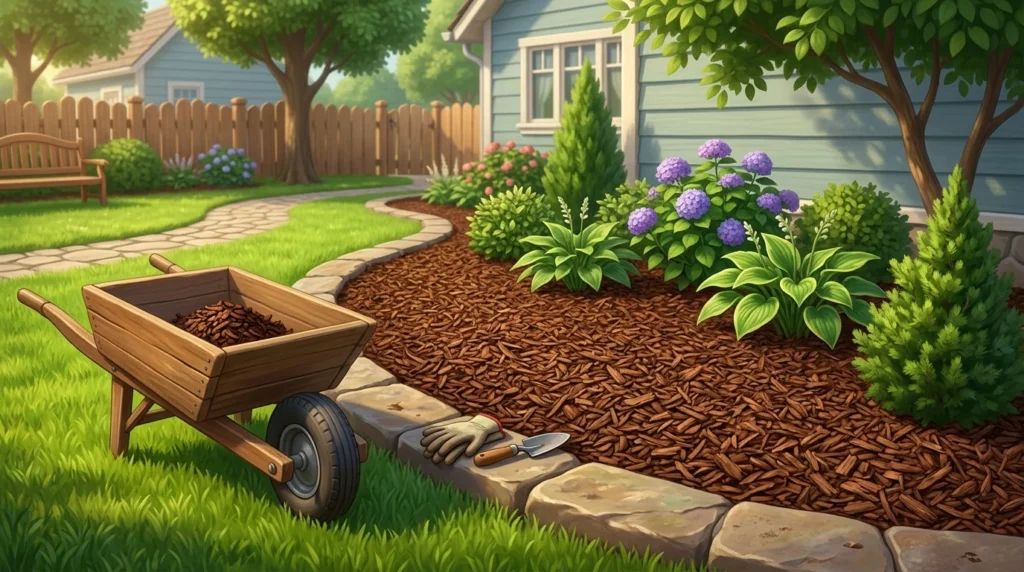
Mulch is any material spread over the soil to conserve moisture, reduce weeds, regulate soil temperature, and improve plant health.
Bark is a specific type of organic mulch made from the outer layer of trees.
In short:
- Mulch is the general category.
- Bark is one type of mulch.
If you’re deciding between the two, you’re really deciding whether bark mulch is the best mulch for your gardening needs.
Mulch Explained
What Is Mulch?
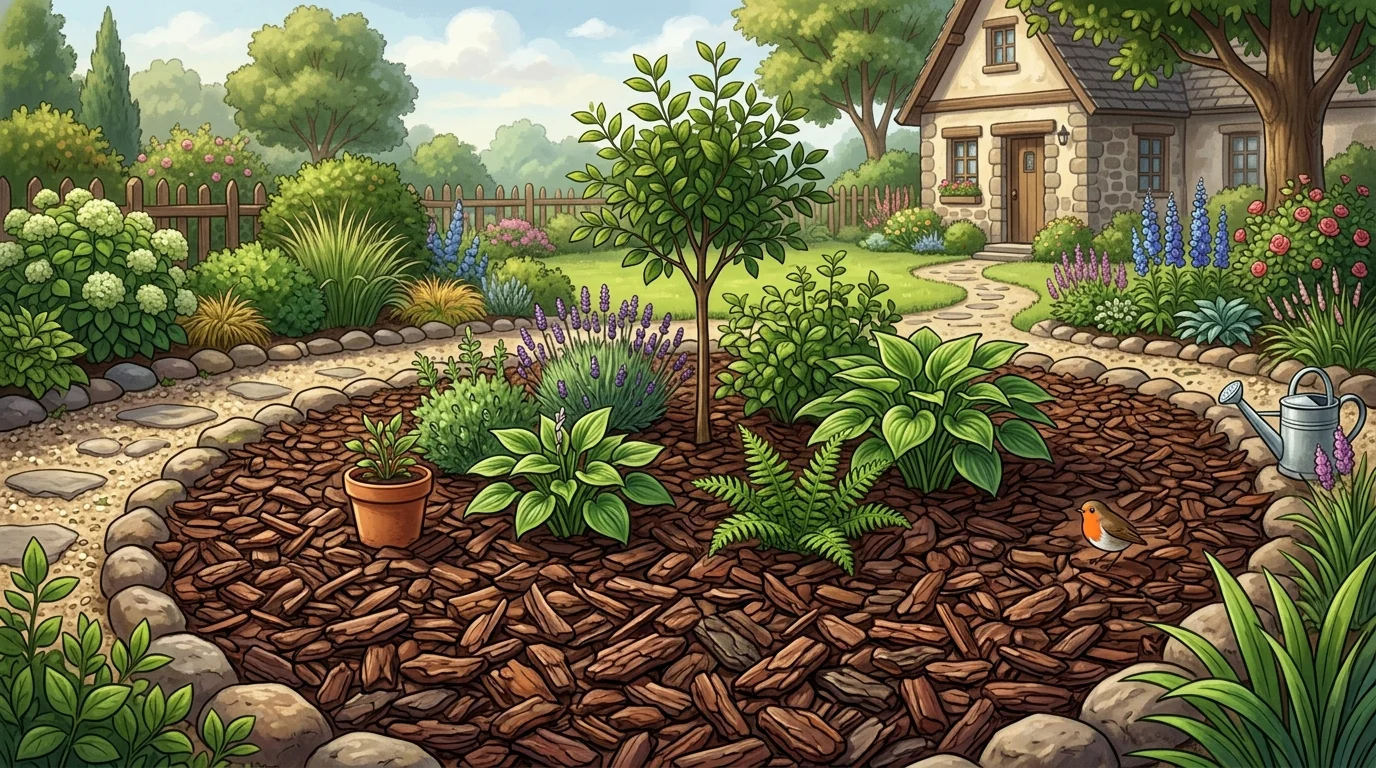
Mulch is a protective layer placed on top of the soil around plants, trees, shrubs, and garden beds.
It can be made from many different materials, both organic and inorganic.
Types of Mulch
Organic Mulch
Common examples include:
- Bark
- Wood chips
- Straw
- Compost
- Shredded leaves
- Pine needles
- Grass clippings
- Cocoa hulls
Organic mulches gradually decompose and improve soil quality.
Inorganic Mulch
Examples include:
- Gravel
- Pebbles
- Landscape fabric
- Rubber mulch
- Crushed stone
These do not break down but provide long-lasting weed suppression.
Benefits of Mulch
Mulch helps by:
- Conserving soil moisture
- Reducing weed growth
- Preventing soil erosion
- Regulating soil temperature
- Improving soil structure (organic mulch)
- Reducing water evaporation
- Giving gardens a finished appearance
Examples
Example 1
A vegetable gardener spreads straw mulch around tomatoes to keep the soil moist.
Example 2
A homeowner uses compost mulch around shrubs to enrich the soil.
Example 3
Wood chips are applied around newly planted trees to suppress weeds.
Key Insight
Mulch refers to the purpose and function—not one specific material.
Bark Explained
What Is Bark?
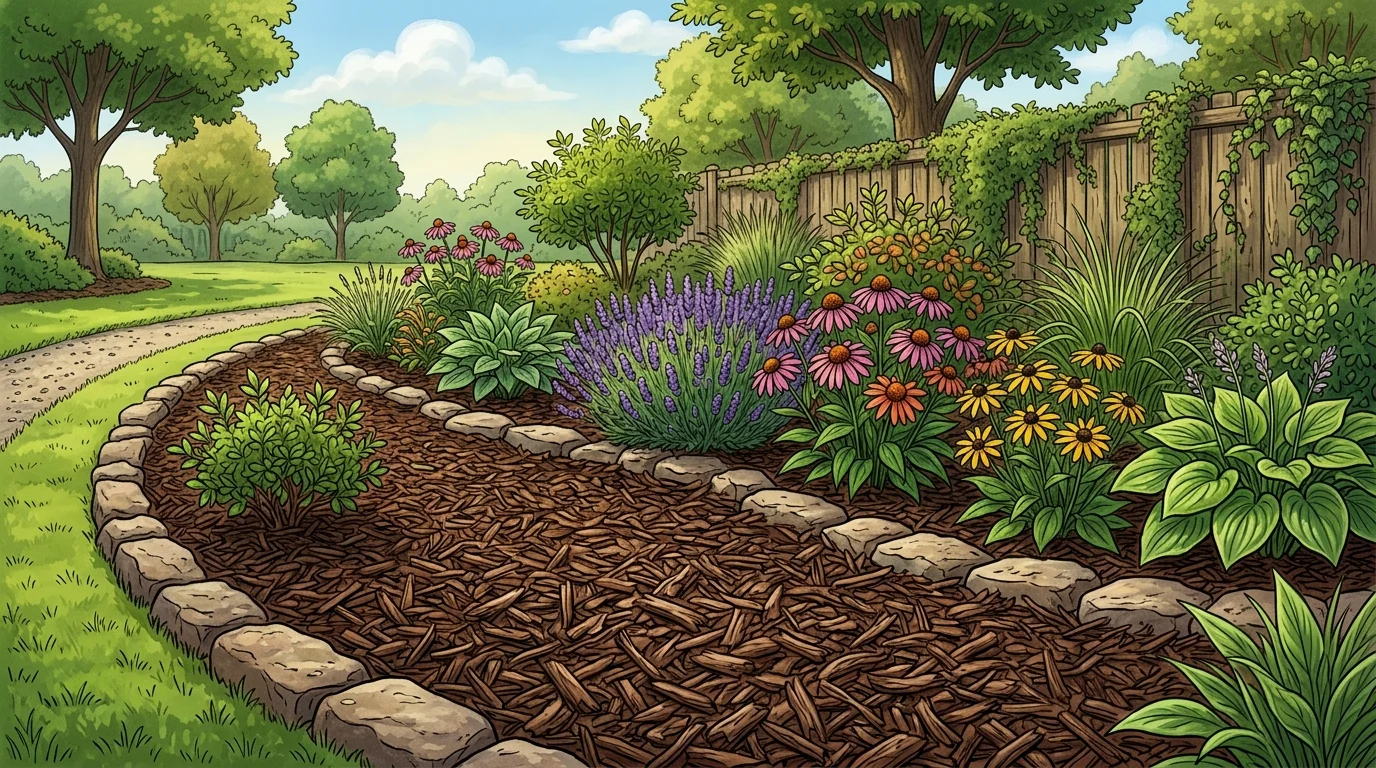
Bark mulch is made from the outer bark of trees, typically harvested during timber processing.
It’s one of the most popular landscaping mulches because it combines functionality with an attractive appearance.
Types of Bark Mulch
Common varieties include:
- Pine bark
- Cedar bark
- Fir bark
- Hardwood bark
- Decorative bark nuggets
- Shredded bark
Different bark types vary in color, texture, and decomposition speed.
Benefits of Bark
Bark offers several advantages:
- Attractive appearance
- Long-lasting coverage
- Good moisture retention
- Excellent weed suppression
- Slow decomposition
- Reduced maintenance
Limitations
Bark may:
- Cost more than some other mulches
- Take longer to enrich the soil
- Float away during heavy rain if lightweight
- Be less suitable for annual vegetable beds that require frequent soil amendments
Examples
Example 1
A homeowner spreads pine bark around flower beds for a neat landscape.
Example 2
Shredded bark is placed around young trees to protect roots.
Example 3
Cedar bark is used because of its pleasant appearance and durability.
Key Insight
Bark mulch is valued for its decorative look and long lifespan.
Mulch or Bark: Key Differences
Main Differences
- Definition
- Mulch: Any protective soil covering
- Bark: A specific type of mulch
- Materials
- Mulch: Many possible materials
- Bark: Tree bark only
- Purpose
- Both conserve moisture and reduce weeds.
- Appearance
- Mulch: Varies widely
- Bark: Natural wood appearance
- Soil Improvement
- Organic mulches improve soil over time.
- Bark improves soil more slowly than compost or leaf mulch.
Comparison Table
| Feature | Mulch | Bark |
|---|---|---|
| Meaning | General category | Specific type of mulch |
| Material | Organic or inorganic | Tree bark |
| Soil Improvement | Depends on material | Slow, gradual |
| Appearance | Varies | Natural decorative finish |
| Longevity | Varies | Usually long-lasting |
| Cost | Wide price range | Often slightly higher |
| Best For | Many gardening uses | Landscape beds and trees |
Best Uses for Each
Choose Mulch When
Use mulch if you want:
- Better soil health
- Weed control
- Moisture retention
- Vegetable gardening
- Seasonal garden improvements
- Flexible material choices
Choose Bark When
Choose bark if you want:
- Decorative landscaping
- Long-lasting coverage
- Tree rings
- Shrub beds
- Low-maintenance gardens
- Professional-looking flower beds
Real-World Usage Scenarios
Scenario 1
Homeowner: “Should I buy mulch or bark?”
Garden Center Employee: “Bark is one type of mulch. Let’s choose the best mulch for your project.”
🎯 Lesson: Bark isn’t separate from mulch—it’s a variety of mulch.
Scenario 2
Gardener: “I’m growing vegetables.”
Expert: “Compost or straw mulch may work better than decorative bark.”
🎯 Lesson: Vegetable gardens often benefit from nutrient-rich organic mulches.
Scenario 3
Homeowner: “I want my flower beds to look tidy.”
Expert: “Bark mulch is an excellent decorative option.”
🎯 Lesson: Bark combines function with curb appeal.
Scenario 4
Neighbor: “Why are weeds growing less?”
Gardener: “The mulch blocks sunlight from reaching weed seeds.”
🎯 Lesson: Most mulches help suppress weed growth.
Scenario 5
Landscaper: “These bark chips have lasted several years.”
🎯 Lesson: Bark generally decomposes more slowly than many other organic mulches.
Common Mistakes
Mistake 1
Thinking mulch and bark are completely different products.
Correction: Bark is one of many types of mulch.
Why it happens: Retail labels often separate the terms.
Mistake 2
Using decorative bark in every garden.
Correction: Different plants benefit from different mulch materials.
Why it happens: Appearance often influences purchasing decisions.
Mistake 3
Applying mulch too close to tree trunks.
Correction: Leave a small gap around the trunk to reduce moisture buildup and the risk of decay.
Why it happens: Many people create “mulch volcanoes” that can harm trees.
Mistake 4
Applying mulch too thinly.
Correction: A layer of about 2–4 inches (5–10 cm) is typically effective for most landscape beds.
Why it happens: Thin layers don’t suppress weeds well.
Mistake 5
Assuming all mulches improve soil equally.
Correction: Compost enriches soil much faster than bark.
Why it happens: Organic mulches break down at different rates.
Memory Tricks
Remember Mulch
Think:
Mulch = Many materials.
It’s the broad category.
Remember Bark
Think:
Bark = Tree covering.
It’s one material used as mulch.
Easy Shortcut
- All bark is mulch.
- Not all mulch is bark.
Expert Insight
The confusion between mulch and bark comes from the way garden centers label their products. In horticulture, mulch describes a gardening practice rather than a single material. Any material applied to the soil surface for protection or improvement can be considered mulch.
Bark mulch remains one of the most popular options because it breaks down slowly, retains its appearance, and provides effective moisture conservation. However, gardeners focused on improving soil fertility may prefer compost, leaf mold, or other organic mulches that decompose more quickly and release nutrients into the soil.
The best choice depends on your goals. For ornamental landscapes, bark is often ideal. For vegetable gardens and soil enrichment, other organic mulches may provide greater long-term benefits. mulch or bark.