
Quick Answer
What’s the Difference Between a Mare and a Gelding?
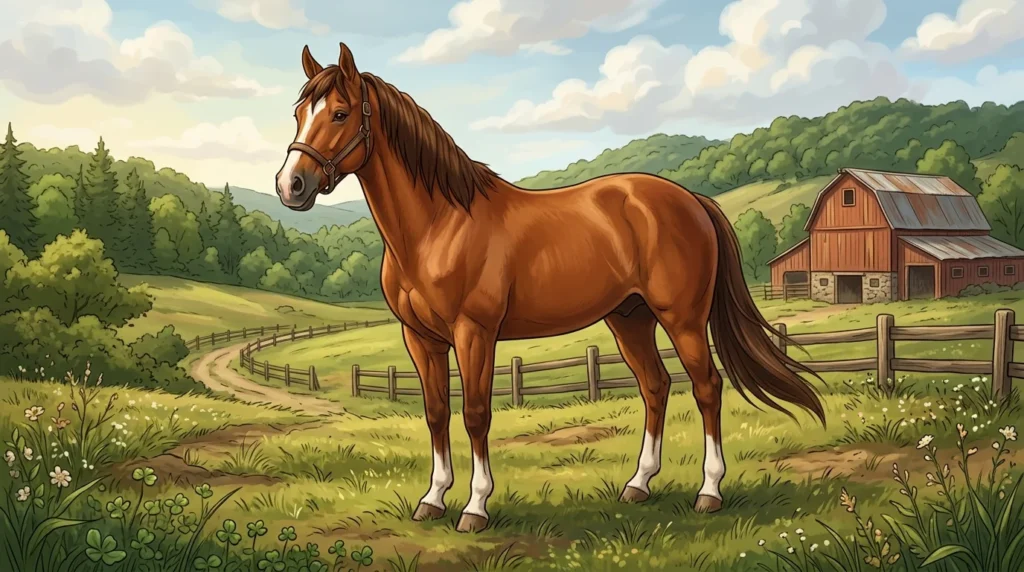
A mare is an adult female horse, generally four years of age or older.
A gelding is a male horse that has been castrated, typically to reduce hormone-driven behaviors and make the horse easier to manage.
In short:
- Mare = Adult female horse
- Gelding = Castrated male horse
Neither is inherently better—the right choice depends on the rider, intended use, and the individual horse’s temperament and training.
Understanding Mare
What Is a Mare?
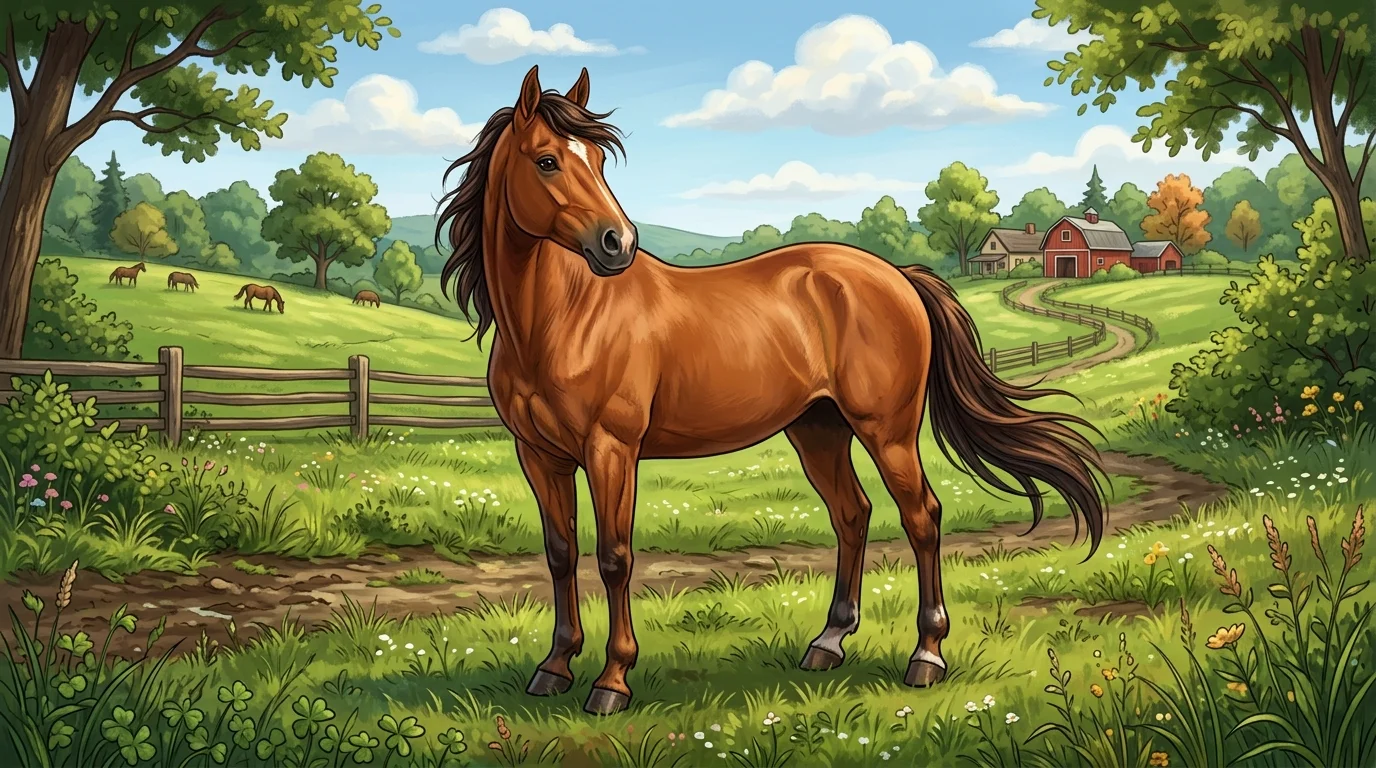
A mare is an adult female horse. In most equestrian contexts, the term refers to a female horse that is four years old or older, though age classifications may vary slightly by breed registry or organization.
Mares can be used for:
- Recreational riding
- Competitive sports
- Breeding
- Ranch work
- Dressage
- Jumping
- Trail riding
Characteristics of a Mare
Many mares are known for:
- Intelligence
- Sensitivity
- Strong bonds with handlers
- Athletic ability
- Maternal instincts (if used for breeding)
Like all horses, personality varies widely between individuals.
Examples
Example 1
“The mare won the dressage competition.”
Example 2
“She rides a calm bay mare.”
Example 3
“The breeder selected the mare for her excellent bloodlines.”
Key Insights
- Female horse.
- Can produce foals.
- Suitable for virtually every equestrian discipline.
- Temperament varies by individual.
Understanding Gelding
What Is a Gelding?
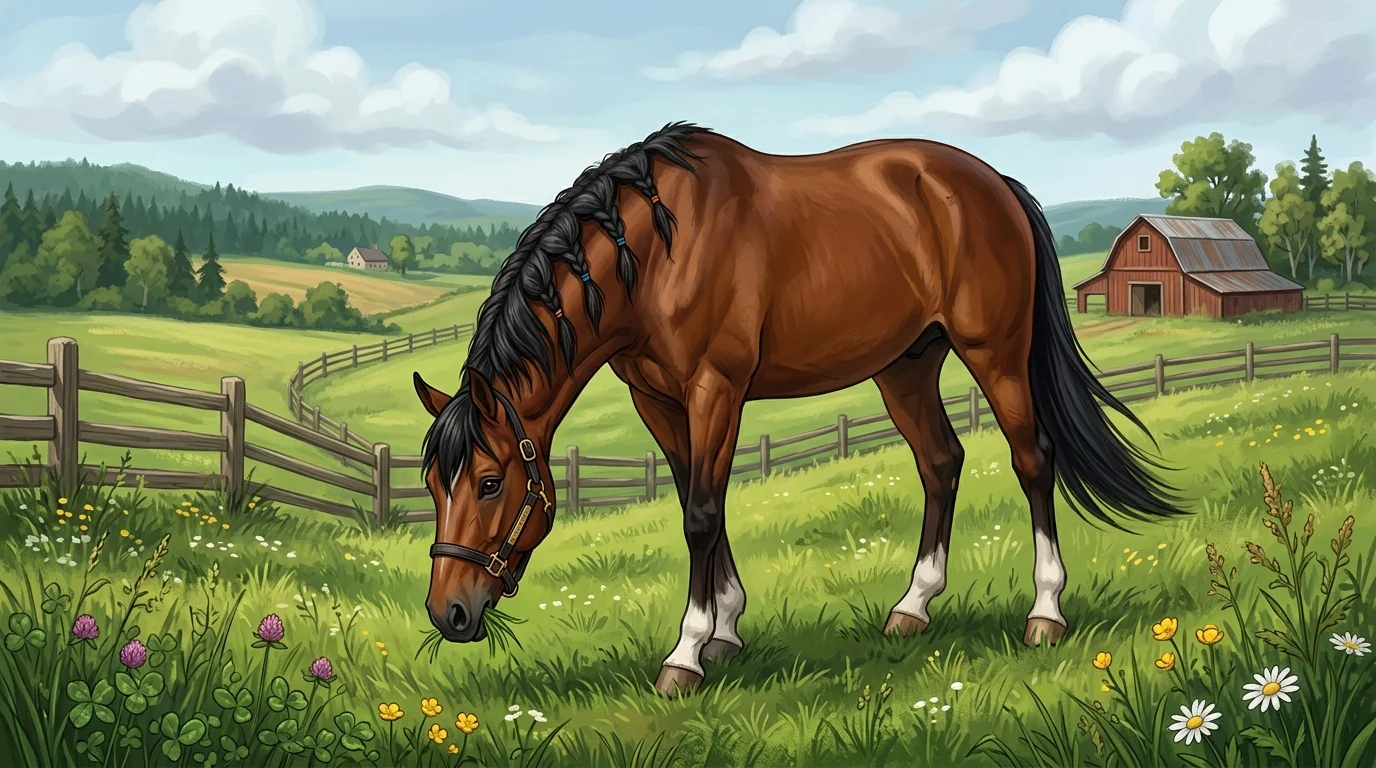
A gelding is a male horse that has been castrated. The procedure is commonly performed to reduce reproductive behavior and make many horses easier to handle.
Because geldings cannot be used for breeding, they are often selected primarily for riding, work, or sport.
Characteristics of a Gelding
Many geldings are valued for:
- Consistent behavior
- Trainability
- Calm disposition
- Focus during work
- Reduced hormone-related behaviors
These are general tendencies, not guarantees.
Examples
Example 1
“The gelding remained calm during the competition.”
Example 2
“They purchased a gelding for beginner riding lessons.”
Example 3
“The experienced trail horse is a gentle gelding.”
Key Insights
- Castrated male horse.
- Cannot sire offspring.
- Frequently chosen for riding and training.
- Individual temperament still depends on genetics, training, and handling.
Mare or Gelding: Key Differences
Quick Comparison
- A mare is female.
- A gelding is a castrated male.
- Mares can be bred; geldings cannot.
- Geldings are often considered easier to manage because they generally lack hormone-driven breeding behaviors.
- Both can succeed in nearly every equestrian discipline.
Comparison Table
| Feature | Mare | Gelding |
|---|---|---|
| Sex | Female | Castrated male |
| Can Reproduce | ✅ Yes | ❌ No |
| Hormonal Cycles | Yes | No breeding hormones after castration |
| Common Uses | Riding, breeding, sport, work | Riding, sport, work |
| Temperament | Varies by individual | Varies by individual; often perceived as more behaviorally consistent |
| Suitable for Beginners | Depends on the horse | Depends on the horse; many lesson programs use geldings |
Temperament: Mare vs. Gelding
Are Mares More Difficult?
Some mares experience behavioral changes related to their reproductive cycle, while many show little noticeable difference. Individual personality, training, health, and environment usually have a greater impact than sex alone.
Are Geldings Calmer?
Many geldings are considered steady and predictable because castration reduces hormone-related behaviors associated with breeding. However, a poorly trained gelding can be more challenging than a well-trained mare.
Key Takeaway
Training, handling, health, and experience are generally more important than whether the horse is a mare or a gelding.
Real-World Usage Scenarios
Scenario 1
First-Time Rider
Rider: “Should I buy a mare or a gelding?”
Trainer: “Focus on finding a well-trained horse with a suitable temperament rather than choosing based only on sex.”
🎯 Lesson: Individual suitability matters more than labels.
Scenario 2
Breeding Farm
Breeder: “We’ll keep this mare for our breeding program.”
🎯 Lesson: Only mares can carry and give birth to foals.
Scenario 3
Riding School
Instructor: “Most of our beginner horses are geldings.”
🎯 Lesson: Many riding schools prefer geldings because they are often perceived as behaviorally consistent, though this is not universal.
Scenario 4
Horse Show
Announcer: “The mare earned the highest score of the day.”
🎯 Lesson: Mares compete successfully at the highest levels.
Scenario 5
Trail Ride
Guide: “This experienced gelding is ideal for today’s ride.”
🎯 Lesson: A seasoned gelding is often chosen for dependable trail work.
Common Mistakes
Mistake 1: Thinking Geldings Are a Separate Breed
❌ A gelding is a breed of horse.
✅ A gelding is a castrated male horse.
Why it happens: The term describes sex and reproductive status, not breed.
Mistake 2: Assuming Every Mare Is Moody
Not all mares exhibit noticeable hormonal behavior, and many are exceptionally calm and reliable.
Why it happens: Stereotypes are often generalized from individual experiences.
Mistake 3: Believing Geldings Are Always Better
No horse is automatically superior because of its sex.
Conformation, health, training, temperament, and rider compatibility are usually much more important.
Why it happens: Buyers sometimes rely on broad generalizations instead of evaluating the individual horse.
Memory Tricks
Trick 1
Mare = Mother
Many mares can become mothers.
Trick 2
Gelding = Gentle (Often)
Many riders associate geldings with steady behavior, though every horse is unique.
Trick 3
Remember:
- Mare = Female
- Gelding = Castrated Male
Expert Insight
In horse selection, experienced trainers rarely recommend choosing a horse based solely on whether it is a mare or a gelding. Research and practical experience consistently show that training quality, early handling, health, genetics, and rider compatibility have a much greater influence on performance and behavior than sex alone.
While geldings are commonly favored in riding schools because they often display fewer hormone-related behaviors, elite mares have achieved success across disciplines such as dressage, show jumping, eventing, racing, endurance, and western performance. The most suitable horse is the one whose temperament, education, and athletic ability match the rider’s goals and skill level. mare or gelding.