
Quick Answer
Kneed is the past tense of knee as a verb and means using the knee to hit, push, or make contact with something.
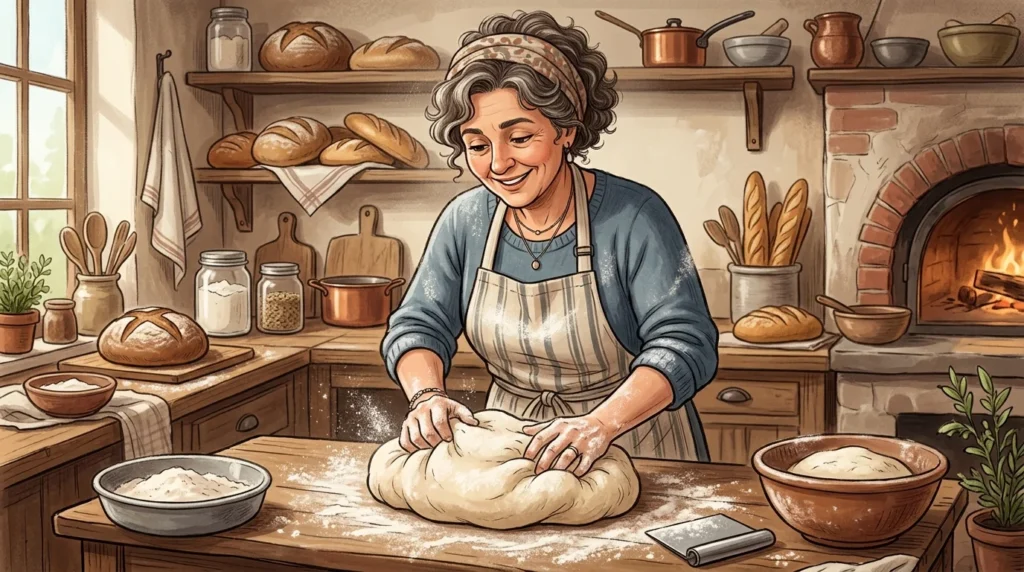
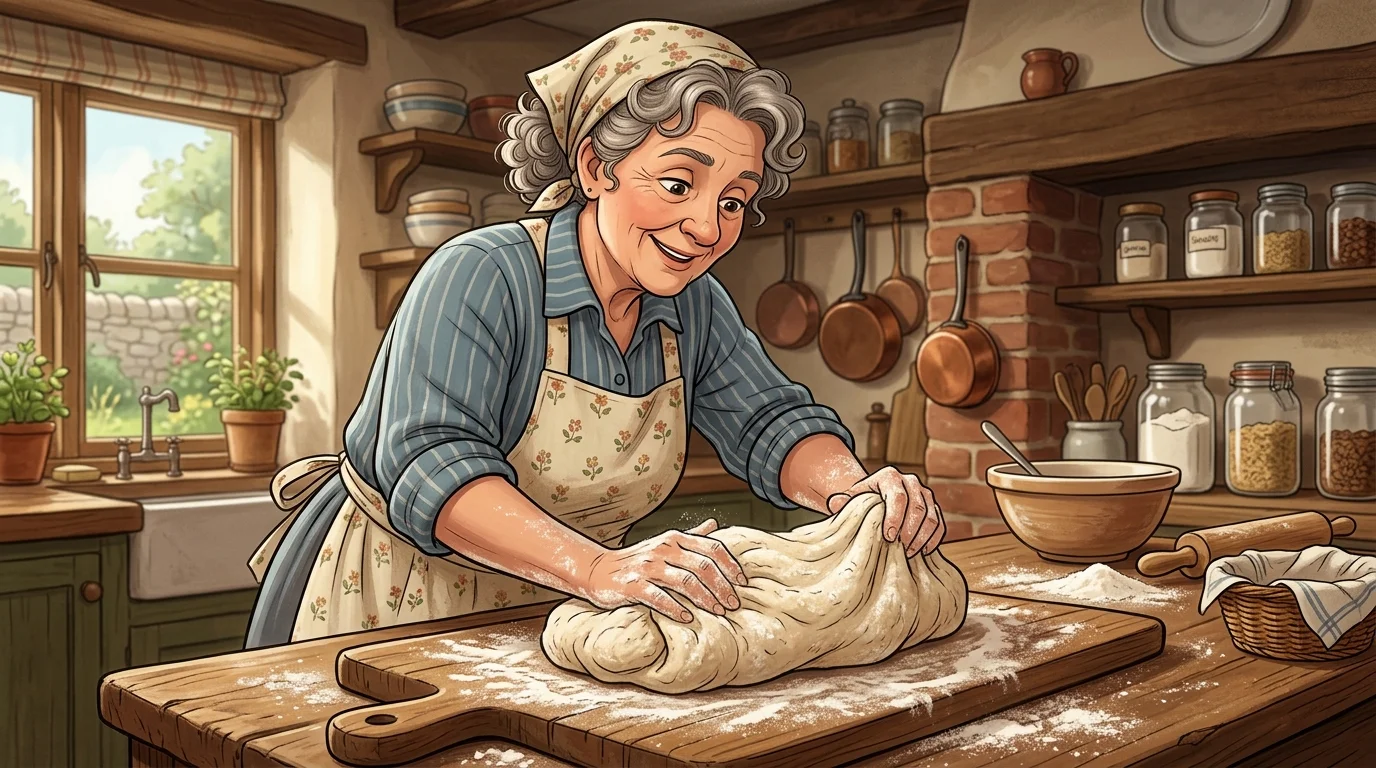
Knead means to press and work dough or another soft substance, usually with the hands.
Quick rule: If you mean using a knee, choose kneed. If you mean working dough, choose knead.
What Does Kneed Mean?
Kneed is the past tense and past participle of the verb knee.
As a verb, knee means to strike, push, or touch someone or something with the knee. Therefore, kneed describes this action after it has happened.
When to Use Kneed
Use kneed when describing an action involving a person’s knee.
It commonly appears in:
- Sports descriptions
- Accidental contact
- Physical movement
- Narratives and reports
- Descriptions of past actions
The key insight is simple: kneed always relates directly to the knee.
Examples of Kneed in a Sentence
- He accidentally kneed the table while standing up.
- The player kneed the ball during the match.
- She kneed the door as she tried to carry the boxes inside.
In every example, the action involves contact made with a knee.

What Does Knead Mean?
Knead is a verb meaning to press, fold, stretch, or work a soft substance repeatedly.
The word is most commonly associated with dough and baking. However, it may also describe working clay or pressing muscles with the hands.
When to Use Knead
Use knead when someone works a soft material by pressing and folding it.
Common contexts include:
- Baking bread
- Preparing pizza dough
- Making pastries
- Working clay
- Massage descriptions
Unlike kneed, the word knead does not describe an action performed with the knee.
Examples of Knead in a Sentence
- You should knead the dough until it becomes smooth.
- She began to knead the bread dough on the counter.
- The baker kneaded the mixture for several minutes.
Notice an important grammar point: the past tense of knead is kneaded, not kneed.
Kneed vs Knead: Key Differences
The main difference between kneed and knead is their meaning and function.
- Meaning: Kneed means made contact using a knee; knead means pressed or worked a soft material.
- Function: Both can function as verbs, but kneed is already a past-tense form.
- Usage: Kneed describes knee-related contact; knead commonly describes baking or working soft materials.
- Region: Both spellings have the same basic meanings in American and British English.
- Common mistake: Writers sometimes use kneed the dough because kneed and knead sound identical.
Kneed or Knead Comparison Table
| Feature | Kneed | Knead |
|---|---|---|
| Meaning | Struck or touched with a knee | Press or work a soft material |
| Usage | Knee-related action | Baking or soft materials |
| Context | Movement, contact, sports | Dough, clay, massage |
| Grammar | Past tense of knee | Base-form verb |
| Example | He kneed the table. | Knead the dough. |
The fastest distinction is this: knee = kneed, dough = knead.
Real-World Kneed or Knead Usage Scenarios
Seeing both words in realistic situations makes the difference much easier to remember.
Scenario 1: In the Kitchen
“Should I kneed the dough now?”
“No, you should knead the dough.”
🎯 Lesson: Dough is kneaded, never kneed.
Scenario 2: An Accident
“I accidentally kneaded the chair with my leg.”
“You mean you kneed the chair.”
🎯 Lesson: If contact is made with your knee, use kneed.
Scenario 3: At the Bakery
“The baker will knead the dough before leaving it to rise.”
🎯 Lesson: Use knead for pressing and folding dough.
Scenario 4: During a Game
“The player accidentally kneed his teammate while turning.”
🎯 Lesson: A past action involving the knee requires kneed.
Scenario 5: Talking About the Past
“She kneed the dough yesterday.”
“The correct word is kneaded.”
🎯 Lesson: The past tense of knead is kneaded, not kneed.
Common Mistakes With Kneed and Knead
The biggest problem with kneed or knead comes from pronunciation. These words are homophones, meaning they sound alike but have different spellings and meanings.
Mistake 1: Writing “Kneed the Dough”
Incorrect: Kneed the dough for ten minutes.
Correct: Knead the dough for ten minutes.
Why it happens: Writers hear the long “need” sound and choose the wrong spelling.
Mistake 2: Using Kneed as the Past Tense of Knead
Incorrect: I kneed the bread dough yesterday.
Correct: I kneaded the bread dough yesterday.
Why it happens: The identical pronunciation of kneed and knead causes writers to connect the wrong verb with baking.
Mistake 3: Writing Kneaded for a Knee Action
Incorrect: He kneaded the desk accidentally.
Correct: He kneed the desk accidentally.
Why it happens: The writer remembers the word knead but ignores the physical action being described.
Mistake 4: Choosing by Sound Alone
You cannot reliably choose between kneed and knead by listening to pronunciation.
Instead, check the meaning and context of the sentence.
Ask yourself: Is a knee involved, or is something being pressed and worked?
Easy Memory Tricks for Kneed or Knead
You do not need to memorize a complicated grammar rule. A few simple associations can solve the confusion.
Remember the Word Knee Inside Kneed
Kneed = knee + d
If the action involves a knee, use kneed.
Think:
Knee → Kneed
Connect Knead With Dough
Imagine a baker pressing bread dough with both hands.
Dough → Knead
If you are mixing, pressing, folding, or working dough, knead is usually the word you need.
Use the Past-Tense Test
Ask whether the sentence describes a completed knee action.
“He ___ the chair.”
If he hit it with his knee, write kneed.
For dough, remember:
knead → kneaded
Never use kneed as the past tense of knead.
Expert Insight
From a linguistic perspective, kneed and knead are homophones in standard modern English. Their identical pronunciation creates a spelling problem because listeners cannot distinguish the words by sound alone.
The difference becomes clear through semantic context, or the meaning surrounding the word.
Kneed is morphologically connected to the noun knee. English allows some nouns to function as verbs, and to knee describes making contact with the knee. Adding -ed creates the past-tense form kneed.
Knead, however, is a separate verb associated with pressing and working a substance. Its regular past-tense form is kneaded.
This explains why spelling must follow meaning rather than pronunciation. The words sound alike, but their grammatical origins and semantic roles are different. kneed or knead.