
Quick Answer
The main difference between gout and sesamoiditis is their cause.
- Gout is a type of inflammatory arthritis caused by uric acid crystals accumulating in a joint, often causing sudden, severe pain.
- Sesamoiditis is an overuse injury involving irritation or inflammation of the sesamoid bones and surrounding tendons beneath the big toe.
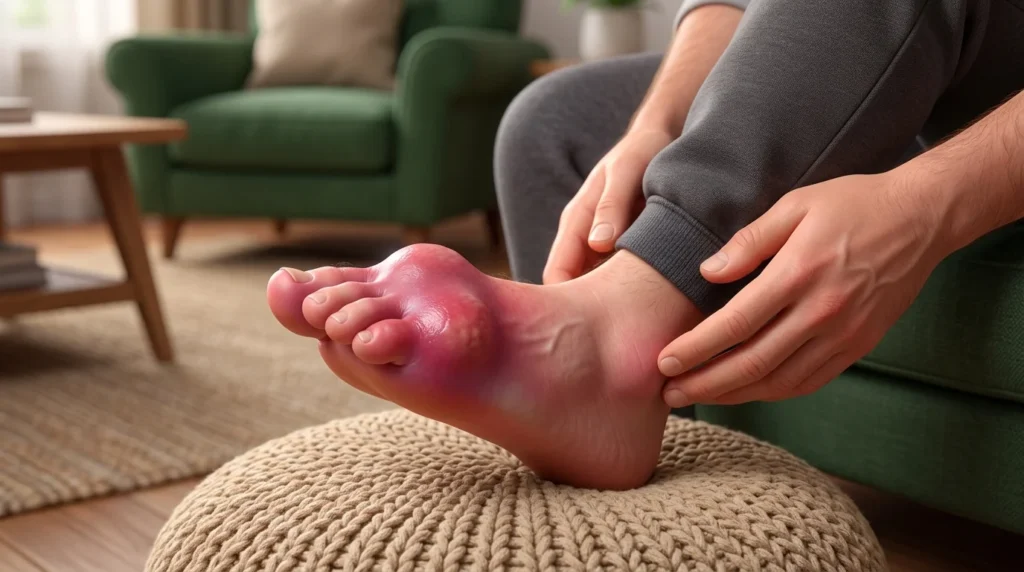
If pain appears suddenly overnight with intense swelling, warmth, and redness, gout is more likely. If pain gradually develops during walking, running, dancing, or prolonged standing and is centered beneath the ball of the foot, sesamoiditis is often the more likely explanation.
What Is Gout?
Definition
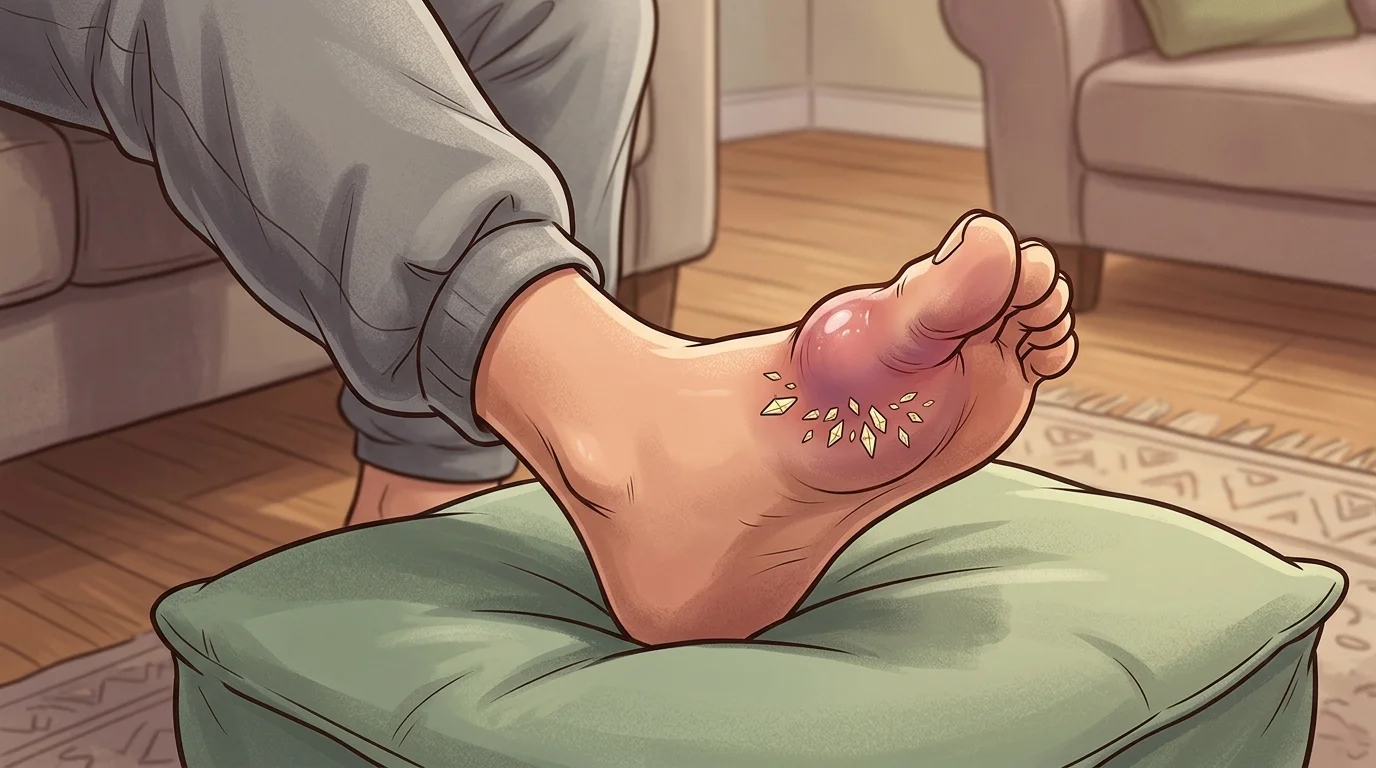
Gout is a form of inflammatory arthritis that develops when excess uric acid forms crystals inside a joint. These crystals trigger intense inflammation, resulting in severe pain, swelling, redness, and warmth.
The joint at the base of the big toe is one of the most commonly affected locations, although gout can also involve the ankles, knees, wrists, elbows, and other joints.
Common Causes
Gout develops because of elevated uric acid levels, which may result from:
- Genetics
- Kidney disease
- Certain medications
- Diet high in purines
- Alcohol consumption
- Obesity
- Metabolic disorders
Symptoms
Common symptoms include:
- Sudden severe pain
- Rapid swelling
- Red or purple skin
- Warmth around the joint
- Extreme tenderness
- Difficulty bearing weight
Symptoms often begin overnight or early in the morning.
Real Examples
Example 1
“I woke up with unbearable pain in my big toe.”
Example 2
“The joint became swollen and red within hours.”
Example 3
“Even the weight of a bedsheet caused severe discomfort.”
Key Insights
- Often begins suddenly
- Can occur without an injury
- Frequently affects the big toe joint
- May recur if uric acid remains elevated
What Is Sesamoiditis?
Definition
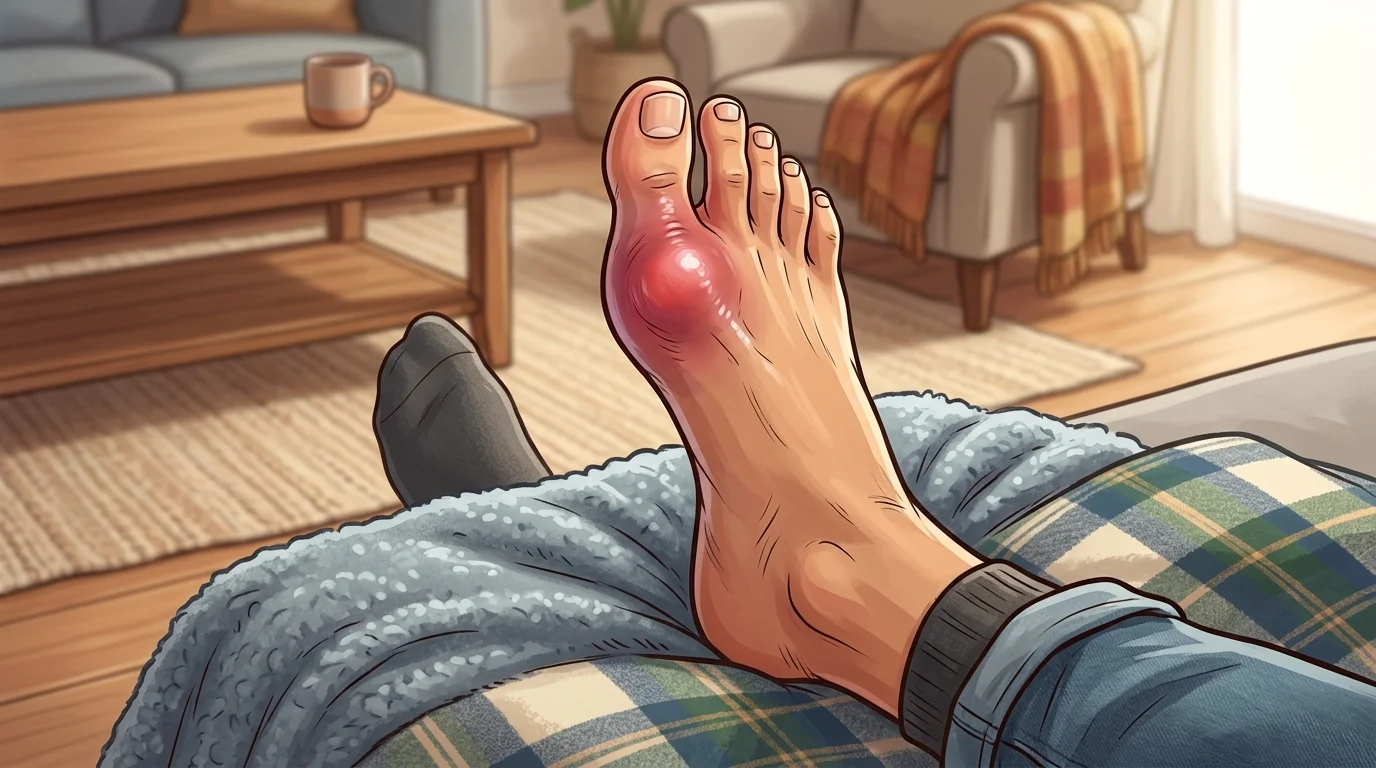
Sesamoiditis is an overuse injury involving inflammation of the sesamoid bones or the surrounding tendons beneath the big toe joint.
The sesamoids are two small bones embedded within tendons under the ball of the foot. They help absorb pressure and improve the mechanical function of the big toe during walking and running.
Common Causes
Sesamoiditis commonly develops from repetitive stress, including:
- Running
- Dancing
- Jumping sports
- Wearing high heels
- Standing for long periods
- Activities that place repeated pressure on the forefoot
Symptoms
Typical symptoms include:
- Gradually increasing pain
- Pain beneath the ball of the foot
- Tenderness when pressing under the big toe
- Pain while pushing off during walking
- Mild swelling
- Discomfort during exercise
Real Examples
Example 1
“My foot hurts every time I push off while walking.”
Example 2
“The pain worsens after a long run.”
Example 3
“I feel soreness directly under my big toe.”
Key Insights
- Usually develops gradually
- Often linked to repetitive activity
- Pain is located beneath the big toe
- Less likely to produce intense redness than gout
Gout or Sesamoiditis: What’s the Difference?
Major Differences
- Gout is inflammatory arthritis.
- Sesamoiditis is an overuse injury.
- Gout results from uric acid crystals.
- Sesamoiditis results from repetitive mechanical stress.
- Gout often begins suddenly.
- Sesamoiditis usually develops gradually.
- Gout commonly causes marked redness and warmth.
- Sesamoiditis is more closely associated with activity-related pain.
Comparison Table
| Feature | Gout | Sesamoiditis |
|---|---|---|
| Condition Type | Inflammatory arthritis | Overuse injury |
| Main Cause | Uric acid crystals | Repetitive stress |
| Onset | Sudden | Gradual |
| Pain Location | Big toe joint (often) | Under the big toe |
| Swelling | Often significant | Usually mild |
| Redness | Common | Less common |
| Warmth | Common | Usually absent or mild |
| Trigger | Metabolic factors | Repetitive activity |
Pain Location Comparison
Gout
Pain is usually centered in the joint at the base of the big toe.
The entire joint may become:
- Swollen
- Warm
- Extremely tender
- Difficult to move
Sesamoiditis
Pain is usually felt:
- Directly beneath the ball of the foot
- Under the big toe
- During push-off while walking
- When standing on tiptoes
Pressing directly over the sesamoid bones often reproduces the pain.
What Causes Each Condition?
Gout Causes
Risk factors include:
- Elevated uric acid
- Family history
- Kidney disease
- Certain medications
- Alcohol intake
- High-purine foods
Sesamoiditis Causes
Risk factors include:
- High-impact sports
- Ballet and dance
- Running
- Repetitive jumping
- Foot structure that increases forefoot pressure
- Unsupportive footwear
How Doctors Diagnose Gout and Sesamoiditis
Because the symptoms can overlap, healthcare professionals consider several factors:
Diagnosing Gout
A clinician may use:
- Medical history
- Physical examination
- Blood tests for uric acid (though levels can be normal during a flare)
- Joint fluid analysis to identify uric acid crystals
- Imaging in selected cases
Diagnosing Sesamoiditis
Evaluation may include:
- Medical history
- Physical examination
- Assessment of pain with movement
- X-rays to look for fractures or anatomical differences
- MRI or ultrasound if soft tissue injury is suspected
A proper diagnosis is important because the treatments differ substantially.
Treatment Options
Gout
Treatment often focuses on:
- Reducing inflammation during acute attacks
- Lowering uric acid levels in people with recurrent gout
- Lifestyle modifications where appropriate
- Managing underlying health conditions
Sesamoiditis
Treatment commonly includes:
- Rest from aggravating activities
- Ice
- Footwear modifications
- Cushioning pads or orthotics
- Physical therapy
- Gradual return to activity
Persistent symptoms may require specialist evaluation.
Real-World Usage Scenarios
Scenario 1
Patient: “My toe became swollen overnight.”
Doctor: “We’ll consider gout among the possible causes.”
🎯 Lesson: Sudden onset without trauma raises suspicion for gout.
Scenario 2
Runner: “The pain started after increasing my mileage.”
Physiotherapist: “Sesamoiditis is one possibility we’ll assess.”
🎯 Lesson: Repetitive forefoot loading commonly contributes to sesamoiditis.
Scenario 3
Dancer: “Standing on my toes makes the pain worse.”
Clinician: “That pattern fits sesamoid irritation more than gout.”
🎯 Lesson: Activity-related pain beneath the toe often suggests a mechanical problem.
Scenario 4
Patient: “The joint is red, hot, and extremely painful.”
Doctor: “Several conditions can cause this, including gout, so prompt evaluation is important.”
🎯 Lesson: Severe joint inflammation deserves timely medical assessment.
Common Mistakes
Assuming Every Big Toe Pain Is Gout
Not all pain around the big toe is caused by gout.
Why it happens: Gout is well known for affecting the big toe, but many other conditions can do the same.
Ignoring Gradually Worsening Pain
People sometimes continue exercising despite symptoms.
Why it happens: Overuse injuries often begin mildly before becoming more painful.
Self-Diagnosing Without Evaluation
Several conditions—including fractures, infections, bunions, stress injuries, and arthritis—can mimic gout or sesamoiditis.
Why it happens: Symptoms overlap considerably.
Delaying Care for Severe Symptoms
Sudden, intense joint pain with marked swelling should be medically evaluated, especially if accompanied by fever or inability to bear weight.
Why it happens: People may assume it will resolve on its own.
Memory Tricks
Remember Gout
Think:
“G = Crystals Gather.”
Gout develops because uric acid crystals collect inside a joint.
Remember Sesamoiditis
Think:
“S = Stress Injury.”
Sesamoiditis results from repetitive stress beneath the big toe.
Easy Shortcut
- Sudden, red, hot joint? → Think gout (among other possibilities).
- Gradual pain under the ball of the foot during activity? → Think sesamoiditis.
These are clues, not a diagnosis.
Expert Insight
Although both gout and sesamoiditis may cause pain near the big toe, they arise from fundamentally different processes. Gout is a crystal-induced inflammatory arthritis that often requires medical treatment to control inflammation and, in recurrent cases, lower uric acid levels. Sesamoiditis is a biomechanical overuse condition in which reducing pressure on the forefoot and addressing contributing factors are central to recovery. Because fractures, infections, and other joint disorders can resemble these conditions, persistent or severe foot pain should be evaluated by a qualified healthcare professional rather than diagnosed based on symptoms alone. gout or sesamoiditis.