
QUICK ANSWER
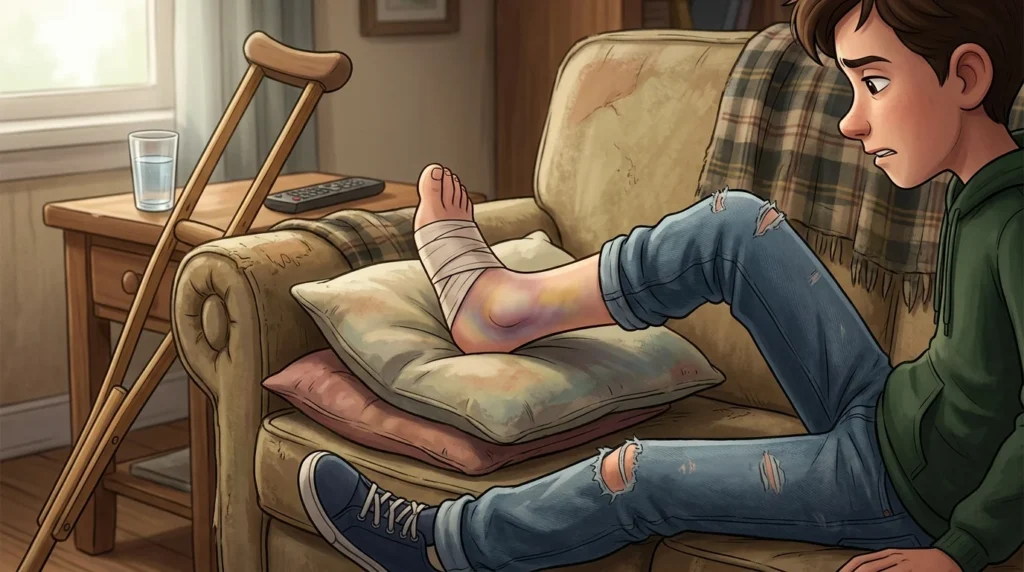
A fracture is a medical term for a bone that has cracked or broken. A break is a general word used for any kind of damage where something splits or stops being intact.
All fractures are breaks, but not all breaks are medically called fractures.

DEEP EXPLANATION: FRACTURE
Definition
A fracture refers specifically to a bone injury where the bone cracks or splits due to force, stress, or trauma.
Usage Rules
- Used in medical, clinical, and professional contexts
- Always refers to bones
- Diagnosed using X-rays or imaging
Context (Grammar/Region)
- Formal medical term (global usage)
- Preferred in hospitals, reports, and diagnostics
Examples
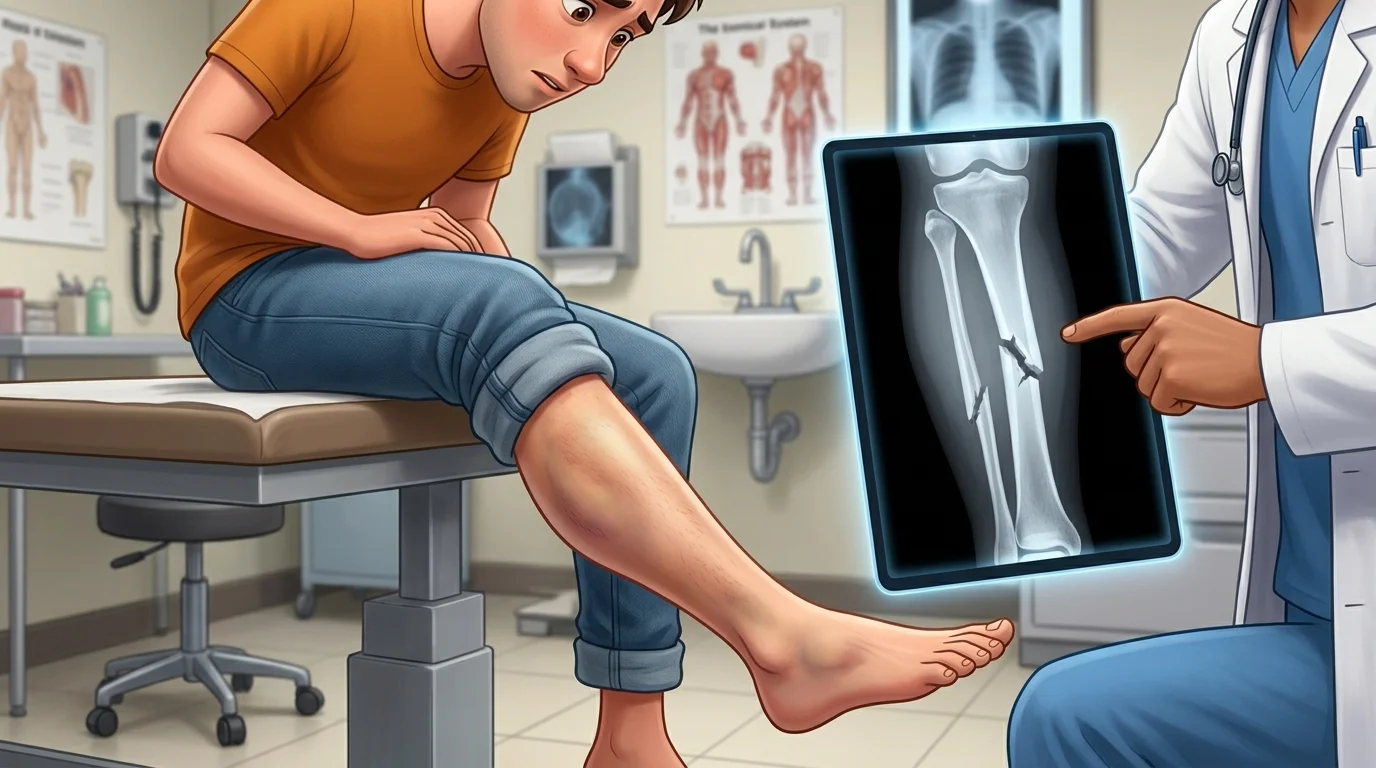
- “The X-ray shows a fracture in the tibia.”
- “She suffered a hairline fracture in her wrist.”
- “Spinal fractures require immediate attention.”
Key Insight
A fracture is not just “damage”—it is a clinically recognized bone condition. fracture or break.
DEEP EXPLANATION: BREAK
Definition
A break means something has been separated into parts or damaged, and it is used in both literal and general contexts.
Usage Rules
- Informal and general term
- Can refer to bones, objects, or abstract things
- Used in everyday speech
Context (Grammar/Region)
- Common in conversational English
- Not strictly medical
Examples
- “He broke his arm playing football.”
- “Don’t break the glass.”
- “She needed a break from studying.”
Key Insight
“Break” is flexible and context-dependent, unlike “fracture,” which is precise.
SERP-DOMINATING COMPARISON SECTION
Key Differences
- Meaning:
Fracture = medical bone injury
Break = general separation or damage - Function:
Fracture = clinical diagnosis
Break = everyday description - Usage:
Fracture = hospitals, reports
Break = casual speech, general writing - Region:
Fracture = universal medical term
Break = universal informal term - Common Mistake:
Assuming both always mean the same thing
Comparison Table
| Feature | Fracture | Break |
|---|---|---|
| Meaning | Bone crack or injury | General damage or separation |
| Usage | Medical context | Everyday language |
| Context | Clinical/diagnostic | Informal/general |
| Example | “Hairline fracture in bone” | “He broke his phone” |
REAL-WORLD USAGE SCENARIOS
Scenario 1
Patient: “Did I break my arm?”
Doctor: “You have a fracture in the radius.”
🎯 Lesson: Medical professionals prefer “fracture” for accuracy.
Scenario 2
Friend: “I think I broke my finger.”
Doctor: “Yes, it’s a fracture.”
🎯 Lesson: Casual speech uses “break,” diagnosis uses “fracture.”
Scenario 3
News report: “Athlete suffers fracture during match.”
🎯 Lesson: Formal reporting uses precise medical terminology.
Scenario 4
Child: “I broke my toy.”
Parent: “You fractured it.” (Incorrect usage)
🎯 Lesson: “Fracture” should not be used for objects.
Scenario 5
Teacher: “Don’t break the rules.”
🎯 Lesson: “Break” extends beyond physical damage into abstract meaning.
COMMON MISTAKES
- Using “fracture” for non-bone objects
→ Wrong: “fractured phone”
→ Correct: “broken phone” - Thinking “break” is always less serious
→ Not true; it can still indicate serious injury - Assuming both are interchangeable in medical writing
→ Only “fracture” is medically precise
Why this happens
Pop culture and casual speech blur technical distinctions.
MEMORY TRICKS
- Fracture = First Aid + X-ray
- Break = Basic everyday word
- If a doctor is involved → use “fracture”
- If it’s casual talk → use “break”
Simple rule:
👉 Medical = Fracture
👉 Casual = Break
EXPERT INSIGHT (E-E-A-T BOOST)
In medical terminology, “fracture” originates from Latin fractura, meaning “a breaking.” However, modern clinical language narrowed its meaning specifically to bone integrity loss confirmed through imaging.
“Break,” on the other hand, remained in general English and expanded semantically to include physical, emotional, and abstract disruption.
This divergence is why both terms overlap in casual use but differ sharply in professional contexts. fracture or break.