
Quick Answer
If repair cost is more than 50–60% of the item’s current value, selling is usually the better choice.
If the item is still useful and repair is cheap, fixing makes more sense.
Fix: When Repair Makes Sense
What it means
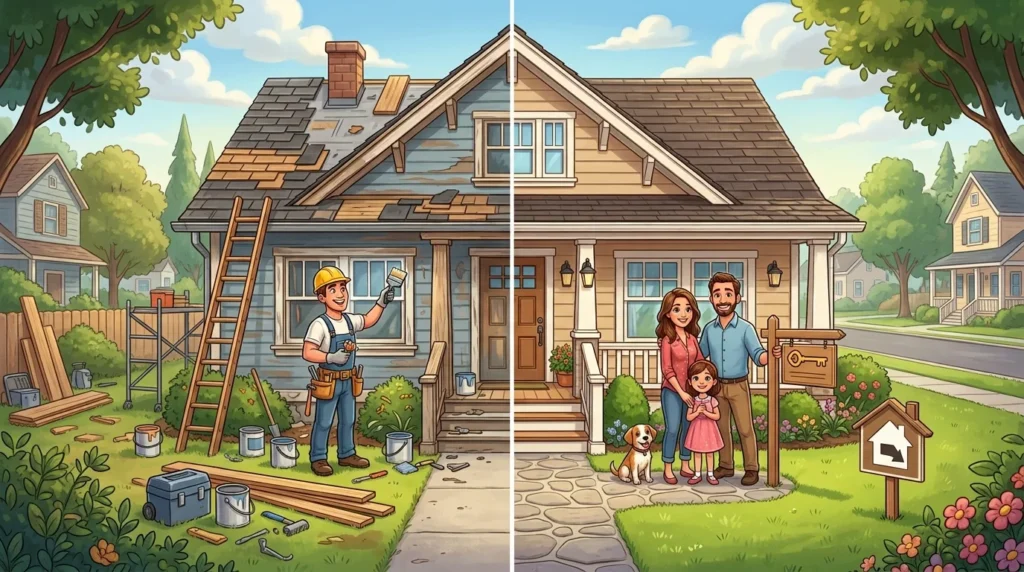
Fixing means repairing the item to extend its life instead of replacing it.
When to choose fix
- Repair cost is low compared to value
- Item still has long usable life
- No major repeated breakdowns
- Emotional or practical importance
Examples
- Replacing phone battery instead of buying new phone
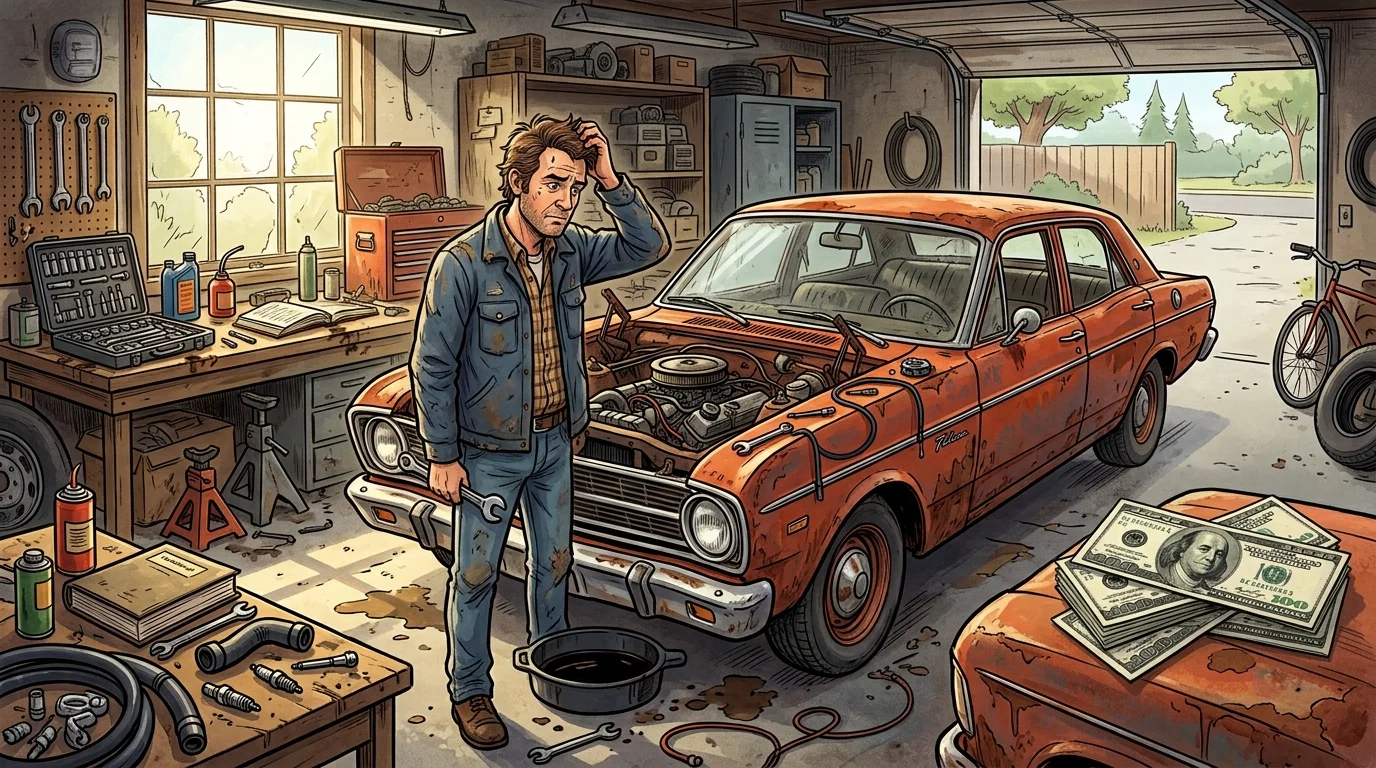
- Fixing minor car issue
- Repairing laptop screen
Key insight
Fixing is smart only when it restores long-term usability at low cost.
Sell: When It’s Better to Let Go
What it means
Selling means getting value back instead of investing more money into repair.

When to choose sell
- Repair cost is too high
- Item breaks repeatedly
- Technology is outdated
- Maintenance cost keeps increasing
Examples
- Old phone with motherboard damage
- Car requiring expensive engine repair
- Laptop with repeated hardware failures
Key insight
Selling is smarter when repair cost becomes a financial trap.
Fix vs Sell: Clear Comparison
Key Differences
- Fix = restore usability
- Sell = recover value
- Fix = short-term cost saving
- Sell = long-term loss prevention
- Fix = works when damage is small
- Sell = works when system is failing
Comparison Table
| Feature | Fix | Sell |
|---|---|---|
| Purpose | Repair & reuse | Recover value |
| Cost impact | One-time repair | No repair cost |
| Risk | May fail again | No future breakdown risk |
| Best condition | Minor damage | Major or repeated damage |
| Decision type | Emotional + practical | Financial logic |
Real-World Scenarios
Scenario 1: Phone repair
User: “Screen broken, should I fix it?”
Answer: If repair is cheap → fix. If motherboard damage → sell.
🎯 Lesson: Screen issues = fix, internal damage = sell.
Scenario 2: Car problem
User: “Engine repair is expensive.”
Answer: Sell is often better if cost exceeds value.
🎯 Lesson: Engine = high-cost risk zone.
Scenario 3: Laptop issue
User: “Slow performance only.”
Answer: Upgrade or fix, not sell.
🎯 Lesson: Performance issues are usually fixable.
Scenario 4: Old device
User: “Everything works but outdated.”
Answer: Sell and upgrade.
🎯 Lesson: Obsolescence matters more than condition.
Common Mistakes
- Fixing emotionally instead of logically
- Selling too early without checking repair cost
- Ignoring future maintenance cost
- Overestimating sentimental value
- Not comparing market value vs repair cost
Why it happens: People focus on feelings instead of numbers.
Memory Tricks
- Fix = “cheap + useful”
- Sell = “expensive + risky”
- 50% rule = repair cost threshold
- If it breaks again → lean toward sell
Expert Insight
The fix-or-sell decision is essentially a cost-benefit analysis problem. Rational decision-making depends on comparing:
- Current market value
- Repair cost
- Expected future lifespan
Economically, once repair cost approaches or exceeds half of the asset’s value, the return on investment drops sharply. This is why professionals rely on threshold-based decisions instead of emotional judgment. fix or sell.