
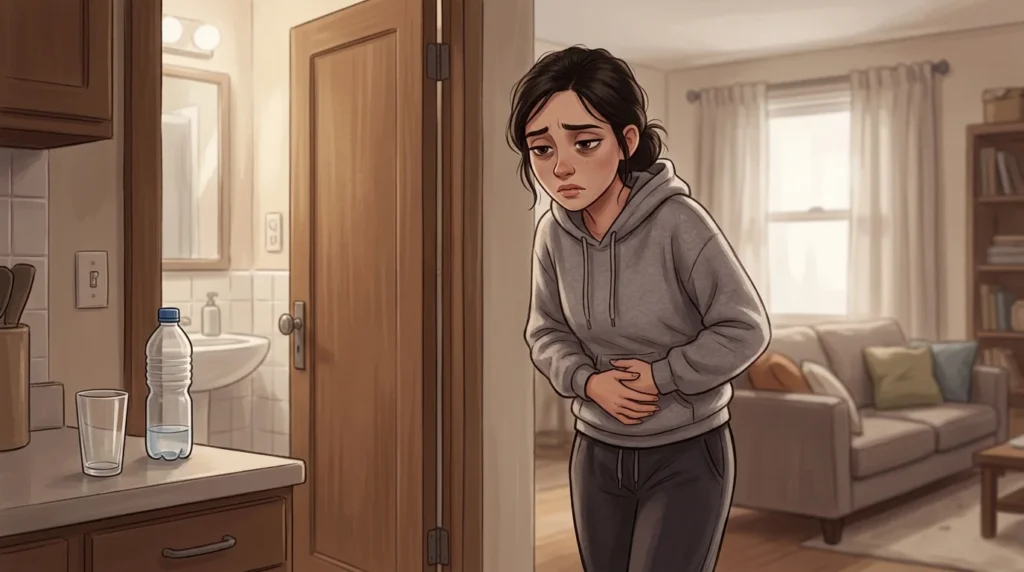
Quick Answer
The difference between dehydration and a UTI is the underlying cause.
- Dehydration happens when your body doesn’t have enough fluids, often leading to thirst, dry mouth, dark urine, and reduced urination.
- A UTI is an infection of the urinary tract that commonly causes burning during urination, frequent urges to urinate, pelvic discomfort, and sometimes cloudy or foul-smelling urine.
While dehydration can make urine more concentrated and may irritate the bladder, it is not the same as a UTI.
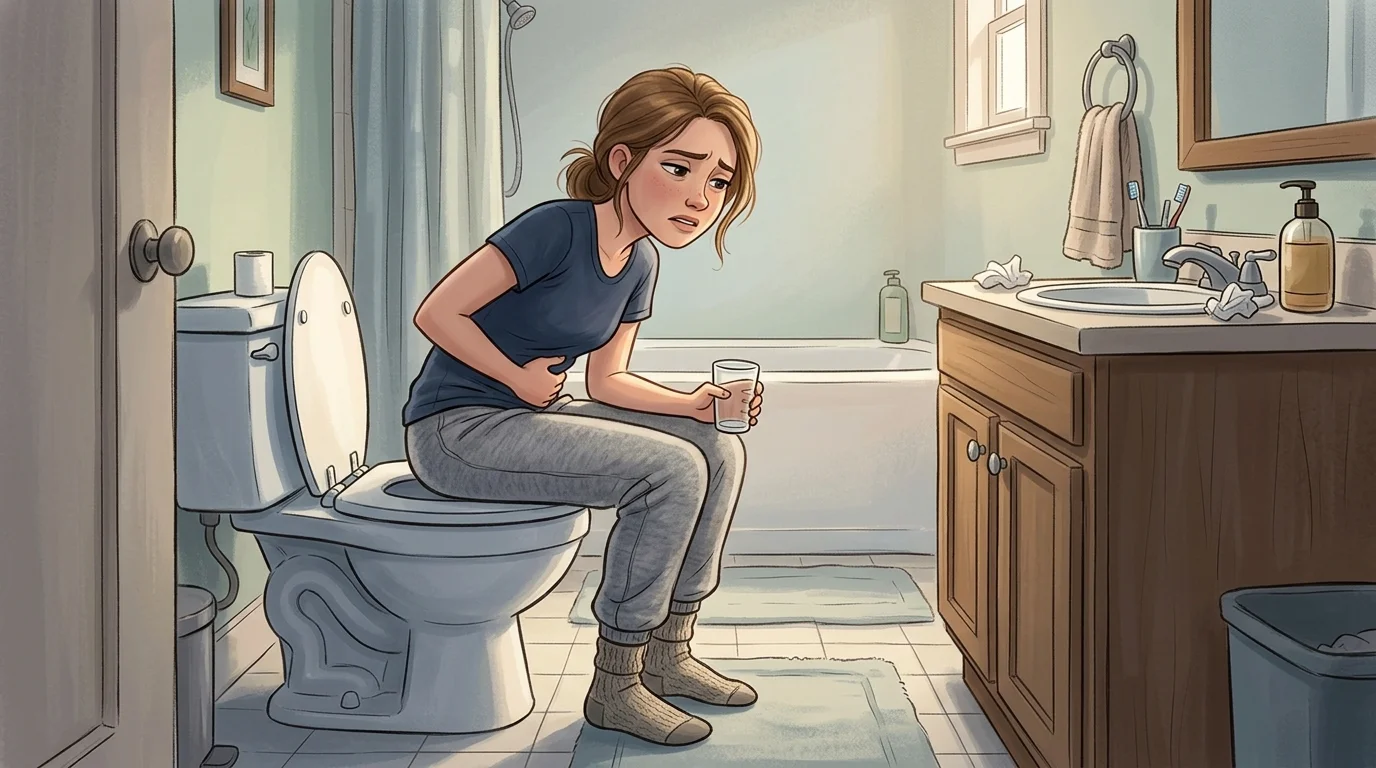
What Is Dehydration?
Definition
Dehydration occurs when the body loses more water than it replaces. This can disrupt normal body functions because water is essential for regulating temperature, transporting nutrients, and supporting organs.
Mild dehydration is common and often improves with adequate fluid intake, while severe dehydration can become a medical emergency.
Common Causes
Dehydration may result from:
- Not drinking enough fluids
- Excessive sweating
- Vomiting
- Diarrhea
- Fever
- Intense exercise
- Hot weather
- Certain medications
Common Symptoms
Symptoms may include:
- Thirst
- Dry mouth
- Dark yellow urine
- Reduced urination
- Fatigue
- Headache
- Dizziness
- Dry skin
Severe dehydration may also cause confusion, rapid heartbeat, fainting, or extreme weakness and requires urgent medical attention.
Treatment
Treatment commonly includes:
- Drinking water
- Oral rehydration solutions when appropriate
- Replacing electrolytes if recommended
- Treating the underlying cause
- Intravenous (IV) fluids in severe cases
Key Insight
Most mild dehydration improves once fluids are replaced, but severe dehydration requires prompt medical evaluation.
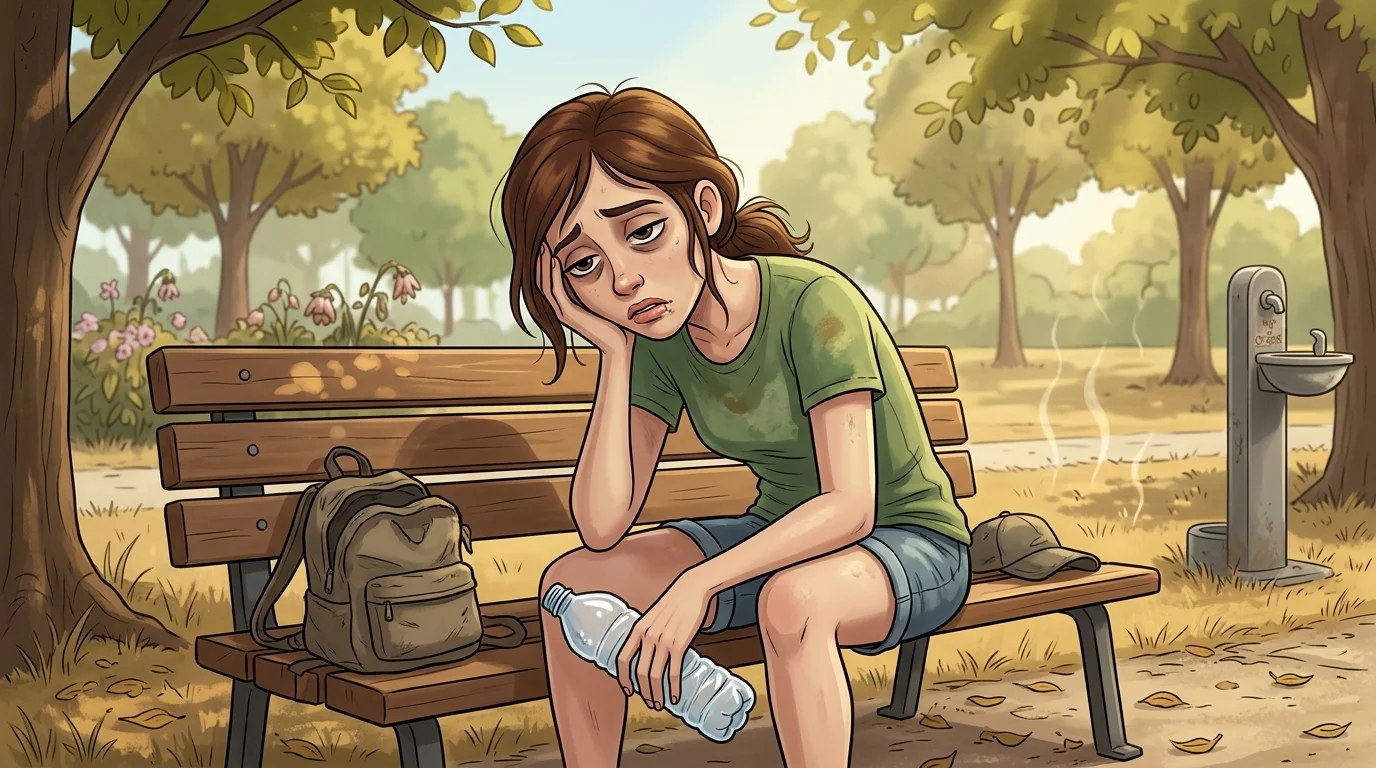
What Is a UTI?
Definition
A urinary tract infection (UTI) is an infection that can affect the bladder, urethra, ureters, or kidneys. Most uncomplicated UTIs are caused by bacteria entering the urinary tract.
Common Causes
Risk factors include:
- Bacterial contamination
- Sexual activity
- Urinary tract abnormalities
- Urinary retention
- Catheter use
- Menopause
- Certain medical conditions
Common Symptoms
Symptoms often include:
- Burning or pain during urination
- Frequent urge to urinate
- Passing small amounts of urine
- Cloudy urine
- Strong-smelling urine
- Pelvic discomfort
- Blood in the urine (in some cases)
If the infection reaches the kidneys, symptoms may include fever, chills, nausea, vomiting, or pain in the side or back, which requires prompt medical evaluation.
Treatment
Treatment commonly includes:
- Antibiotics prescribed by a healthcare professional
- Adequate hydration
- Pain relief measures if recommended
- Completing the full antibiotic course
Key Insight
Unlike dehydration, a UTI usually requires medical evaluation and often prescription antibiotics.
Dehydration or UTI: Key Differences
Main Differences
- Dehydration is a fluid imbalance; a UTI is an infection.
- Dehydration commonly causes thirst and dark urine.
- UTIs commonly cause burning during urination and urinary urgency.
- Dehydration affects the entire body.
- A UTI primarily affects the urinary tract.
- Drinking fluids may correct mild dehydration but does not usually cure a bacterial UTI.
- UTIs often require antibiotic treatment.
Comparison Table
| Feature | Dehydration | UTI |
|---|---|---|
| Main Cause | Too little body fluid | Urinary tract infection |
| Primary Problem | Fluid loss | Bacterial infection (most commonly) |
| Thirst | Common | Usually not the main symptom |
| Burning During Urination | Usually absent | Common |
| Frequent Urination | Often decreased urination | Common urge to urinate |
| Urine Color | Dark yellow | May be cloudy, bloody, or dark |
| Fever | Possible if due to another illness causing dehydration | May occur, especially with kidney infection |
| Typical Treatment | Fluid replacement | Antibiotics and supportive care |
Real-World Usage Scenarios
Scenario 1: After Outdoor Exercise
Person: “I’ve been working outside all day, and my urine is dark.”
Most likely consideration: Dehydration, especially if you’re thirsty and not urinating much.
🎯 Lesson: Fluid loss commonly causes concentrated, darker urine.
Scenario 2: Pain While Urinating
Person: “It burns every time I urinate, and I feel like I need to go constantly.”
Most likely consideration: A UTI.
🎯 Lesson: Burning and frequent urination are classic UTI symptoms.
Scenario 3: Headache and Dry Mouth
Person: “I’m dizzy, thirsty, and my mouth feels dry.”
Most likely consideration: Dehydration.
🎯 Lesson: General body symptoms often point toward fluid loss.
Scenario 4: Cloudy Urine With Pelvic Discomfort
Person: “My urine looks cloudy, and I have pressure in my lower abdomen.”
Most likely consideration: A UTI.
🎯 Lesson: Urinary discomfort combined with cloudy urine suggests infection rather than simple dehydration.
Scenario 5: Fever and Back Pain
Person: “I have fever, chills, and pain in my side.”
This may indicate a kidney infection, which is more serious than a simple bladder infection.
🎯 Lesson: Seek prompt medical care for these symptoms.
Common Mistakes
Assuming Dark Urine Always Means a UTI
Dark urine is often caused by concentrated urine from dehydration, though it can have other causes as well.
Correction: Consider your hydration status and other symptoms, such as burning or urgency.
Thinking Drinking Water Alone Will Cure a UTI
Hydration is helpful, but bacterial UTIs commonly require antibiotics.
Correction: Seek medical evaluation if UTI symptoms develop.
Ignoring Persistent Urinary Symptoms
Burning, blood in the urine, fever, or worsening symptoms should not be dismissed.
Correction: Contact a healthcare professional, especially if symptoms persist or worsen.
Waiting Too Long to Seek Care
An untreated UTI can spread to the kidneys in some cases.
Correction: Early evaluation and treatment help reduce the risk of complications.
Memory Tricks
Remember “D” for Dehydration
D = Dry
Think of dry mouth, dry skin, and decreased body fluids.
Remember “U” for UTI
U = Urination
Think of burning, urgency, and urinary discomfort.
Easy Shortcut
- Thirst and dark urine = Dehydration
- Burning and frequent urination = UTI
Expert Insight
Although dehydration and UTIs can sometimes occur together, they are distinct conditions. Dehydration concentrates the urine, which may temporarily irritate the bladder or urinary tract, but it does not itself cause a bacterial infection. However, staying well hydrated supports normal urinary flow, which may help flush bacteria from the urinary tract as part of overall urinary health.
Healthcare professionals diagnose UTIs based on symptoms, physical examination when appropriate, and urine testing rather than symptoms alone. Likewise, dehydration is assessed using clinical history, physical findings, and sometimes laboratory tests, particularly when symptoms are severe or the cause is unclear. dehydration or uti.