
Quick Answer
Choose cotton for softness, easy everyday comfort, and versatility. Choose linen for strong airflow, a crisp natural texture, and warm-weather wear.
In simple terms: cotton feels softer initially, while linen usually feels airier and more textured.
What Is Cotton?
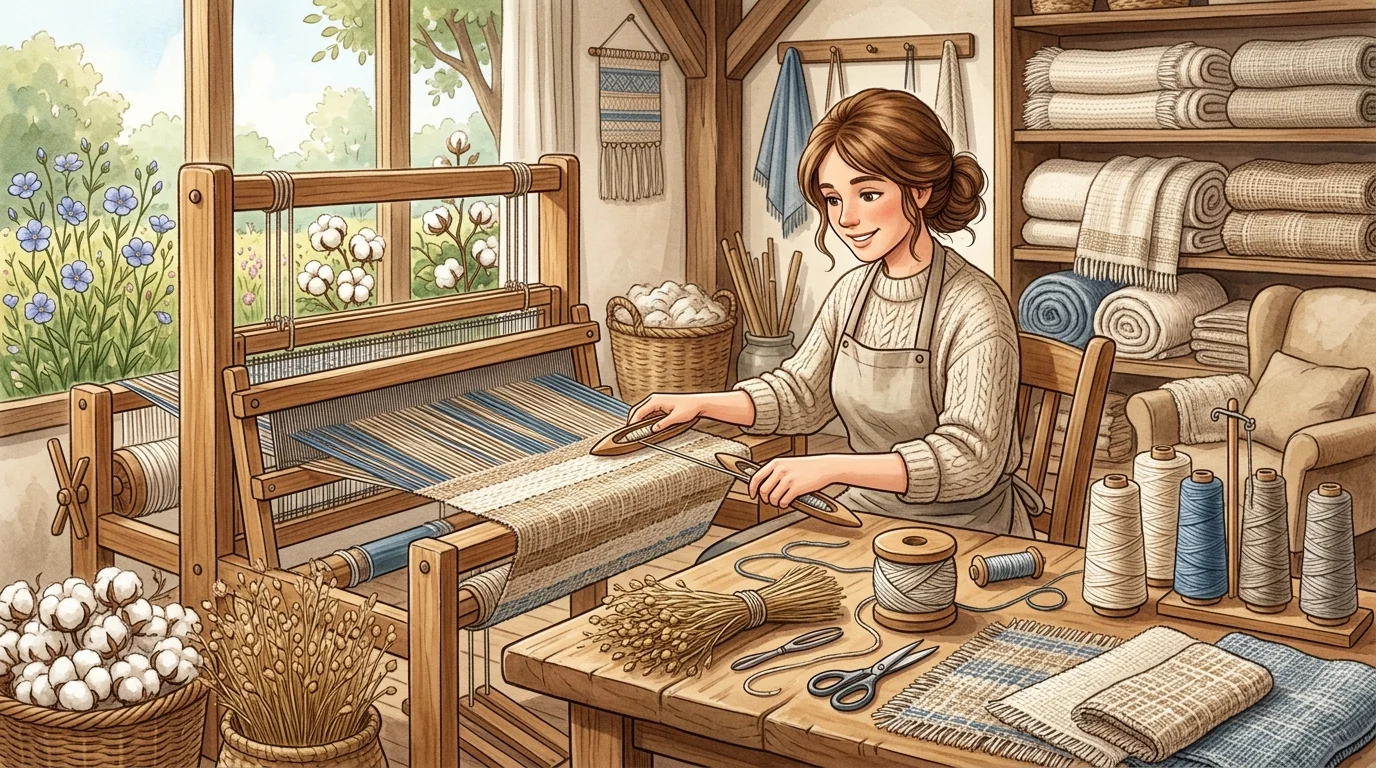
Cotton is a natural fiber obtained from cotton plants. Its fibers are spun into yarn and woven or knitted to create fabrics used worldwide.
Cotton is popular because it can feel soft against the skin and works in many different types of clothing and household products.
When Is Cotton a Good Choice?
Cotton is commonly chosen for:
- T-shirts and casual clothing
- Underwear and sleepwear
- Bed sheets
- Towels
- Baby clothing
- Shirts and dresses
The key advantage of cotton is versatility. Its exact feel and performance depend heavily on the weave, knit, fiber quality, and fabric weight.
Real Examples of Cotton Use
- She chose a cotton T-shirt for everyday wear.
- The hotel used soft cotton sheets on the beds.
- He wore a lightweight cotton shirt during the afternoon.
Cotton works especially well when softness and familiar everyday comfort are priorities.
What Is Linen?
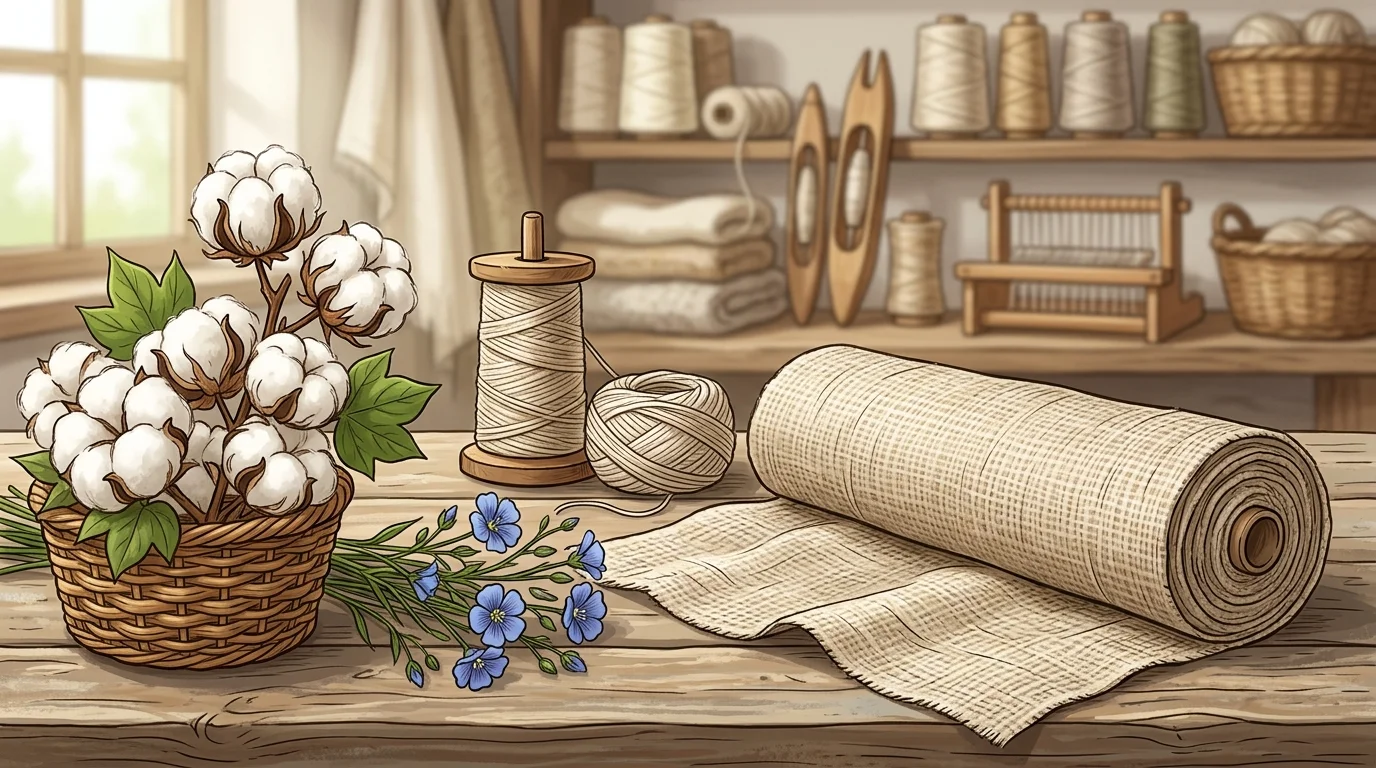
Linen is a natural textile made from fibers of the flax plant.
It is known for its distinctive texture, strength, and ability to allow air to move through lightweight fabric constructions. Fresh linen can feel crisp, but it often softens through washing and regular use.
When Is Linen a Good Choice?
Linen is commonly used for:
- Summer shirts
- Lightweight trousers
- Dresses
- Bedding
- Tablecloths
- Napkins
- Curtains
Linen is strongly associated with warm-weather clothing and relaxed, naturally textured styles.
Real Examples of Linen Use
- He wore a linen shirt on a hot afternoon.
- She selected linen trousers for a relaxed summer outfit.
- The dining table was covered with a white linen tablecloth.
Unlike many smooth cotton fabrics, linen often has visible texture and natural slubs.
Cotton vs Linen: Key Differences
The main difference between cotton and linen comes from their source, texture, fabric behavior, and common uses.
- Source: Cotton comes from the cotton plant; linen comes from flax.
- Texture: Cotton is often softer initially; linen commonly feels crisp and textured.
- Airflow: Lightweight linen is known for excellent breathability.
- Wrinkles: Linen develops visible creases easily.
- Durability: Linen fibers are known for their strength.
- Usage: Cotton is highly versatile; linen is especially popular for warm-weather clothing and home textiles.
- Care: Care requirements depend on the garment or product construction.
Cotton or Linen Comparison Table
| Feature | Cotton | Linen |
|---|---|---|
| Source | Cotton plant | Flax plant |
| Initial Feel | Often soft | Crisp and textured |
| Breathability | Good | Often excellent |
| Wrinkles | Varies by fabric | Wrinkles easily |
| Strength | Durable | Strong fibers |
| Common Use | Everyday clothing and bedding | Summer clothing and home textiles |
| Example | Cotton T-shirt | Linen summer shirt |
The simplest distinction is this: cotton prioritizes familiar softness and versatility, while linen is valued for airflow and natural texture.
Real-World Cotton or Linen Usage Scenarios
Choosing a fabric becomes easier when you connect its properties with the situation.
Scenario 1: Buying a Summer Shirt
“I want a shirt for very hot weather. Cotton or linen?”
“A lightweight linen shirt may provide a breezier, more open feel.”
🎯 Lesson: Linen is often preferred when airflow is a major priority.
Scenario 2: Choosing an Everyday T-Shirt
“I need something soft for regular daily wear.”
“A cotton T-shirt is the more common choice.”
🎯 Lesson: Cotton is highly practical for everyday basics.
Scenario 3: Shopping for a Wrinkle-Resistant Look
“I want my shirt to stay neat with fewer visible creases.”
“Linen may not be your first choice because it wrinkles naturally.”
🎯 Lesson: Consider fabric appearance and care expectations before choosing linen.
Scenario 4: Creating a Relaxed Summer Outfit
“I want a natural, slightly textured look.”
“Linen suits that style particularly well.”
🎯 Lesson: Linen’s visible texture is part of its appeal.
Scenario 5: Buying Versatile Bedding
“I want familiar, widely available sheets with many weave options.”
“Cotton gives you a broad range of choices.”
🎯 Lesson: Cotton bedding comes in numerous constructions and finishes.
Common Mistakes When Choosing Cotton or Linen
Many people choose fabric based only on the fiber name. That can lead to disappointing purchases.
Mistake 1: Assuming All Cotton Feels the Same
Not every cotton fabric is equally soft, thick, or breathable.
Why it happens: Buyers focus on the word cotton and ignore the weave, knit, weight, and finishing process.
A cotton T-shirt and cotton canvas may share the same fiber source but feel completely different.
Mistake 2: Thinking Linen Should Stay Wrinkle-Free
Linen naturally develops creases during wear.
Why it happens: Buyers expect linen to behave like smoother, treated dress fabrics.
If you dislike visible wrinkles, consider whether linen’s relaxed appearance matches your expectations.
Mistake 3: Assuming Linen Is Always Uncomfortable
Some new linen fabrics initially feel crisp or slightly rough.
However, many linen textiles become softer through washing and use.
Why it happens: Shoppers judge linen only by its first touch.
Mistake 4: Ignoring Fabric Weight
Heavy cotton can feel warmer than lightweight cotton. The same principle applies to linen.
Why it happens: People assume fiber type alone determines comfort.
Fabric weight and construction matter significantly.
Mistake 5: Believing One Fabric Is Always Better
There is no universal winner in the cotton or linen debate.
The better choice depends on climate, intended use, texture preference, appearance, and care requirements.
Easy Memory Tricks for Cotton or Linen
You can remember the difference with a few simple associations.
Cotton Means Comfortable Everyday Basics
Think:
Cotton = common comfort
T-shirts, sleepwear, sheets, and casual clothes are frequently made with cotton.
Linen Means Light Summer Style
Think:
Linen = light and airy
This shortcut helps you remember why linen is popular for warm-weather clothing.
Remember the Plant Source
Cotton → cotton plant
Linen → flax plant
The fibers come from different plants and naturally have different structures.
Use the Wrinkle Test
If you picture a relaxed summer shirt with natural creases, think linen.
If you picture a soft everyday T-shirt, think cotton.
Expert Insight
The difference between cotton and linen begins at the fiber level.
Cotton fibers develop around the seeds of the cotton plant, while linen fibers are obtained from the stem of the flax plant. Their different structures influence how fabrics feel, bend, absorb moisture, and respond to repeated use.
Linen fibers are relatively strong and less flexible than cotton fibers. This contributes to linen’s crisp texture and tendency to form noticeable wrinkles.
Cotton fibers can be processed into an extremely wide variety of yarns and fabrics. This is why cotton may appear as soft jersey, crisp poplin, dense denim, absorbent terry cloth, or heavy canvas.
From a textile perspective, fiber content is only part of fabric performance. Yarn size, weave or knit structure, fabric weight, finishing treatments, and garment construction can significantly affect comfort. cotton or linen.