
Quick Answer
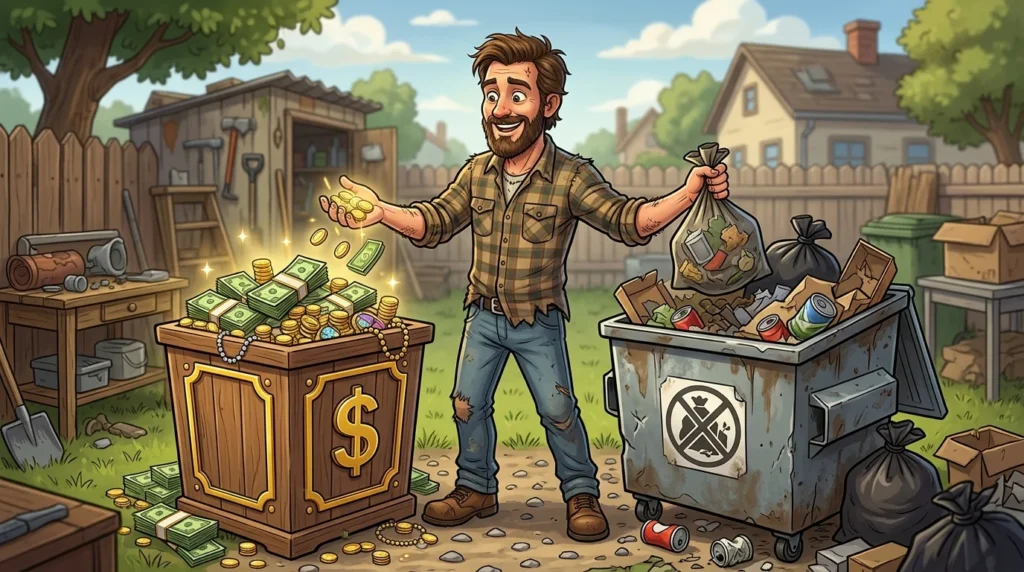
What is the difference between Cash and Trash?
- Cash means money, especially physical currency, or something valuable.
- Trash means garbage, waste, or something of very poor quality.
When someone says “cash or trash,” they’re asking whether something has value (cash) or is worthless (trash).
What Does Cash Mean?
Definition
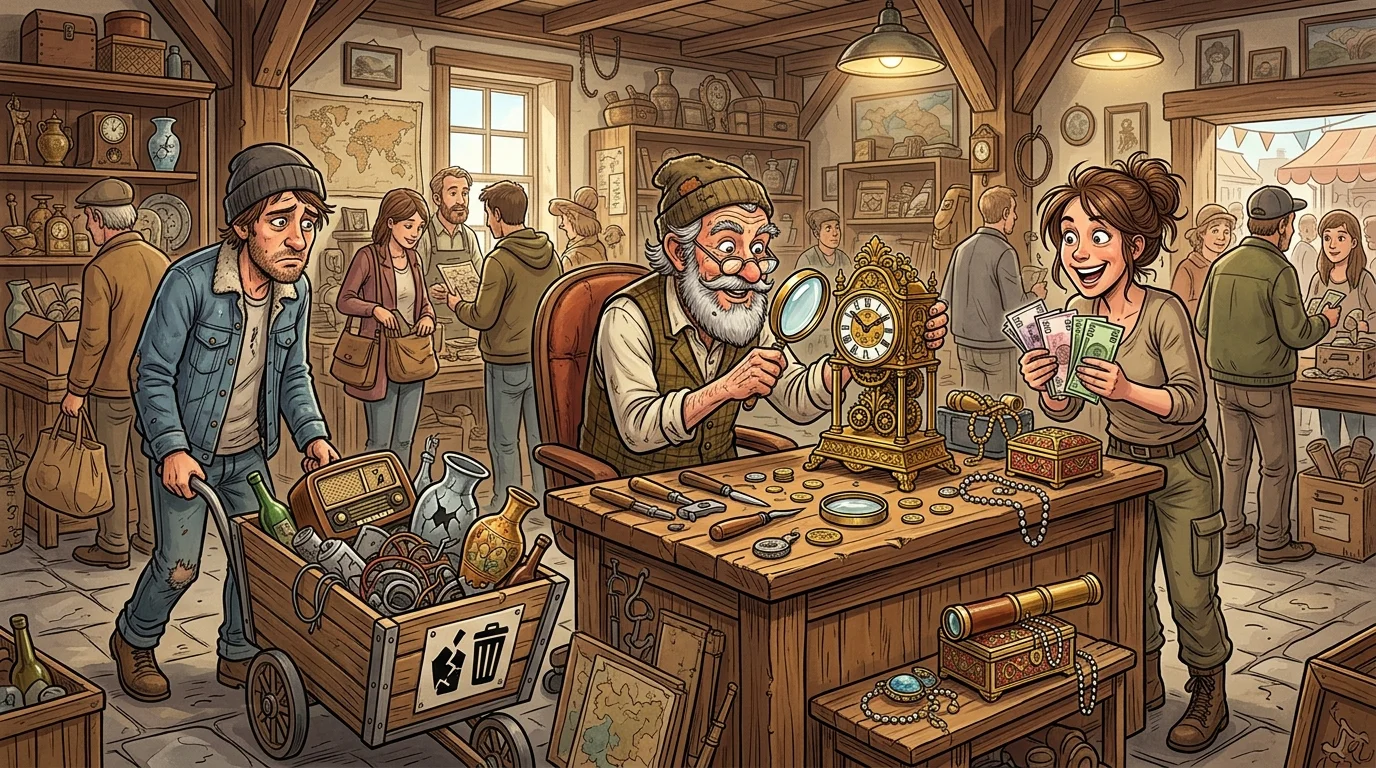
Cash refers to money available immediately, especially coins and banknotes. It can also describe wealth, financial value, or immediate payment.
Usage Rules
Use cash when talking about:
- Physical money
- Paying immediately
- Financial assets
- Profit or value
- Liquidity
Examples
- I paid cash instead of using my credit card.
- The company has plenty of cash on hand.
- He sold the old guitar for cash.
- Winning the contest came with a cash prize.
Key Insight:
In modern slang, cash can also represent anything valuable or profitable.
What Does Trash Mean?
Definition
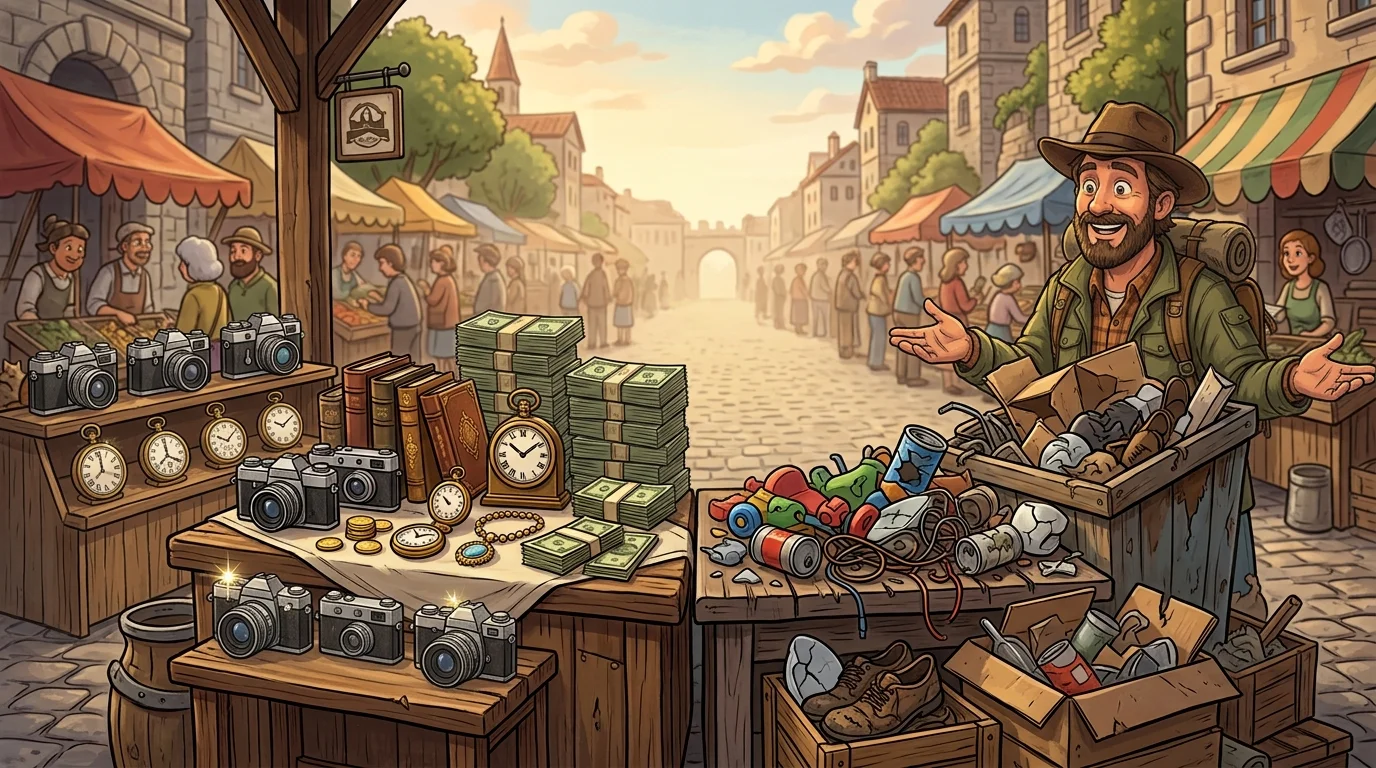
Trash means garbage, waste material, or anything considered useless or poor in quality.
It can also be used informally to criticize products, ideas, movies, games, or performances.
Usage Rules
Use trash when referring to:
- Household garbage
- Waste materials
- Poor-quality items
- Strong criticism
- Slang for “bad”
Examples
- Please take out the trash.
- Many people thought the sequel was trash.
- Don’t throw recyclable bottles into the trash.
- His old laptop became trash after it stopped working.
Key Insight:
In internet culture, calling something trash usually means it’s disappointing or low quality—not necessarily literal garbage.
Cash or Trash: Key Differences
Bullet Comparison
Cash
- Means money or value
- Positive meaning
- Related to finance
- Can represent profit or success
- Used in business and economics
Trash
- Means garbage or waste
- Negative meaning
- Related to disposal
- Often used as criticism
- Common in casual conversations and online reviews
Comparison Table
| Feature | Cash | Trash |
|---|---|---|
| Meaning | Money or value | Garbage or something worthless |
| Tone | Positive | Negative |
| Common Context | Finance, business, shopping | Waste, reviews, criticism |
| Symbolizes | Worth | Worthlessness |
| Example | I paid in cash. | Throw it in the trash. |
What Does “Cash or Trash” Mean?
A Popular Expression
The phrase “cash or trash” is commonly used to judge whether something is valuable.
It asks questions like:
- Is this product worth buying?
- Is this investment profitable?
- Is this collectible valuable?
- Is this movie worth watching?
- Is this business idea promising?
If the answer is positive, it’s cash.
If the answer is negative, it’s trash.
Common Uses
- Product reviews
- Car reviews
- Sneakers
- Watches
- Trading cards
- Cryptocurrency discussions
- Video games
- Movies
- TV shows
- Gadgets
- Fashion
- Business ideas
Real-World Usage Scenarios
Example 1
Friend: “Should I buy this phone?”
Friend 2: “Definitely cash.”
🎯 Lesson: Here, cash means it’s worth buying.
Example 2
Reviewer: “The battery barely lasts two hours.”
Viewer: “Sounds like trash.”
🎯 Lesson: Trash means poor quality.
Example 3
Collector:
“This rare coin is pure cash.”
🎯 Lesson: Valuable collectibles are often described as cash.
Example 4
Gaming Review:
“This update is complete trash.”
🎯 Lesson: Online communities often use trash to criticize games.
Example 5
Investor:
“Is this stock cash or trash?”
Analyst:
“It has strong fundamentals, so I’d call it cash.”
🎯 Lesson: The phrase compares investment potential with poor opportunities.
Common Mistakes
Mistake 1
Thinking cash only means paper money.
Correction: It can also represent value, wealth, or immediate payment.
Mistake 2
Assuming trash always means garbage.
Correction: In modern slang, it often means low quality or disappointing.
Mistake 3
Using cash and trash interchangeably.
Correction: They have opposite meanings and should never replace one another.
Memory Tricks
Trick 1: Think Positive vs. Negative
- Cash = Valuable
- Trash = Worthless
Trick 2: The “Keep or Throw Away” Rule
Ask yourself:
Would you keep it?
- Yes → Cash
- No → Trash
Trick 3: Rhyming Reminder
The words rhyme, but their meanings are opposites.
- Cash = Gain
- Trash = Discard
Expert Insight
Why “Cash or Trash” Became Popular
The phrase “cash or trash” gained popularity because it’s short, memorable, and instantly communicates a value judgment. Rhyming expressions are easy to remember, making them common in marketing, online content, and social media.
Today, creators use “cash or trash” in videos, blogs, podcasts, and reviews to quickly tell audiences whether something deserves their money or attention. The phrase also encourages engagement, as readers and viewers enjoy debating whether a product, trend, or investment is “cash” or “trash.” cash or trash.