
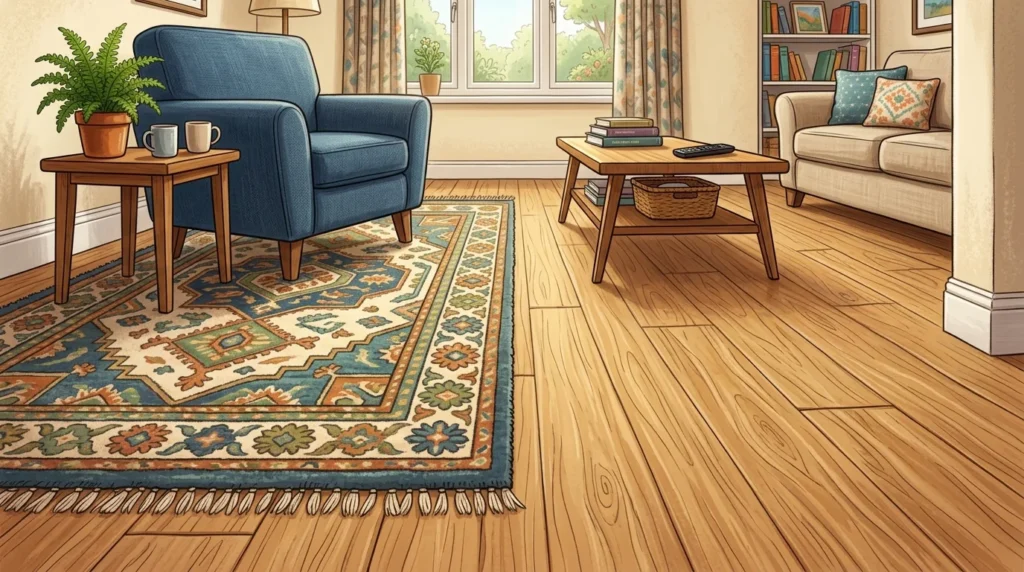
Quick Answer: Carpet or Laminate?
If comfort and warmth are your top priorities, carpet is usually the better choice, especially for bedrooms and family spaces.
If you want durability, easy cleaning, and a modern appearance, laminate flooring is generally the better investment, particularly for living rooms, hallways, dining rooms, and homes with pets.
There isn’t a single winner for every situation—the right flooring depends on your needs, lifestyle, and budget.
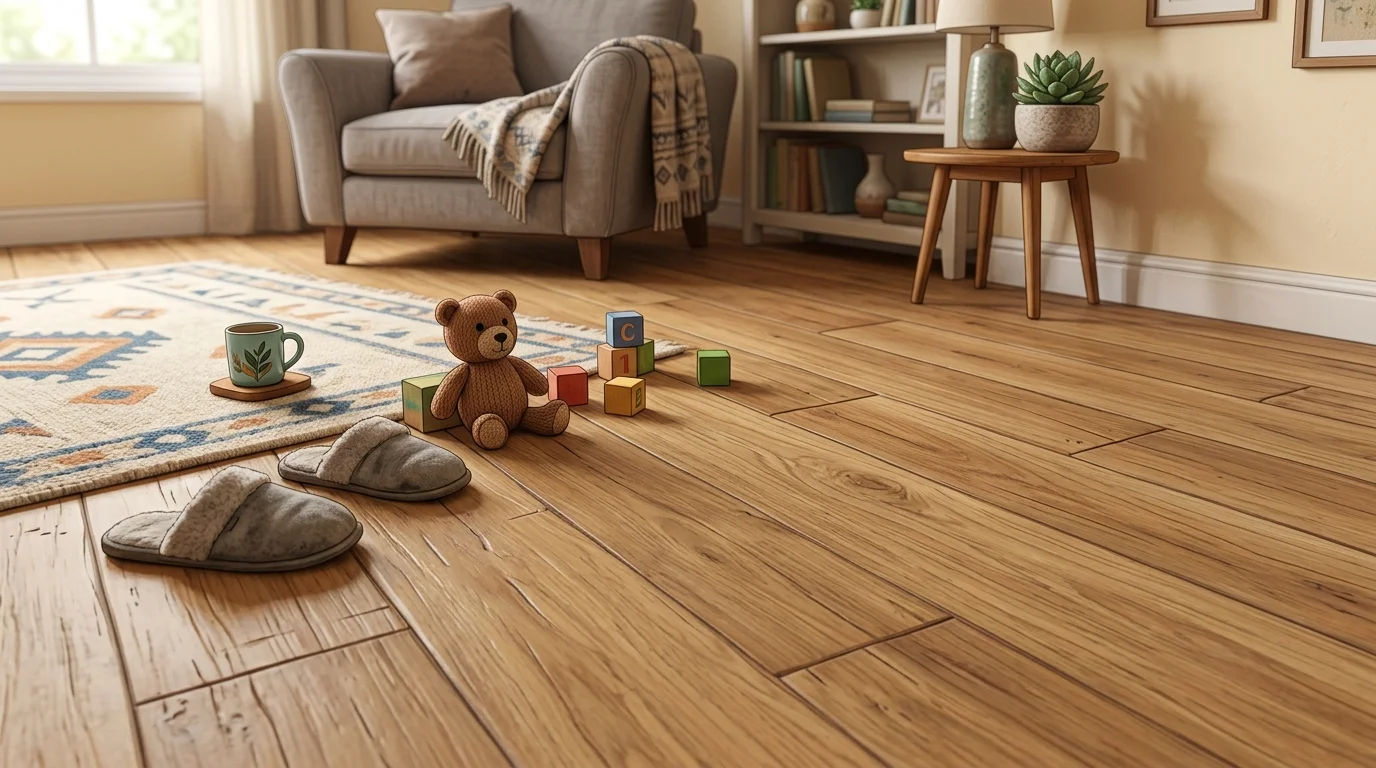
What Is Carpet?
Carpet is a soft textile floor covering made from fibers such as nylon, polyester, wool, or polypropylene. It is installed over an underlay (padding), creating a cushioned walking surface that feels warm and comfortable underfoot.
Because of its softness, carpet has remained one of the most popular flooring options for bedrooms, children’s rooms, and family homes.
Benefits of Carpet
- Soft and comfortable to walk on
- Excellent insulation during cold weather
- Reduces noise between rooms
- Safer for young children due to its cushioning
- Available in thousands of colors, textures, and patterns
- Usually costs less upfront than many hardwood flooring options
Drawbacks of Carpet
- Stains more easily than hard flooring
- Can trap dust, pollen, and pet hair
- Requires regular vacuuming
- Professional cleaning is recommended every 12–18 months
- Wears faster in high-traffic areas
- Can absorb odors from pets or spills
Carpet Works Best For
- Bedrooms
- Children’s rooms
- Home theaters
- Upstairs living areas
- Low-traffic rooms
- Homes in colder climates
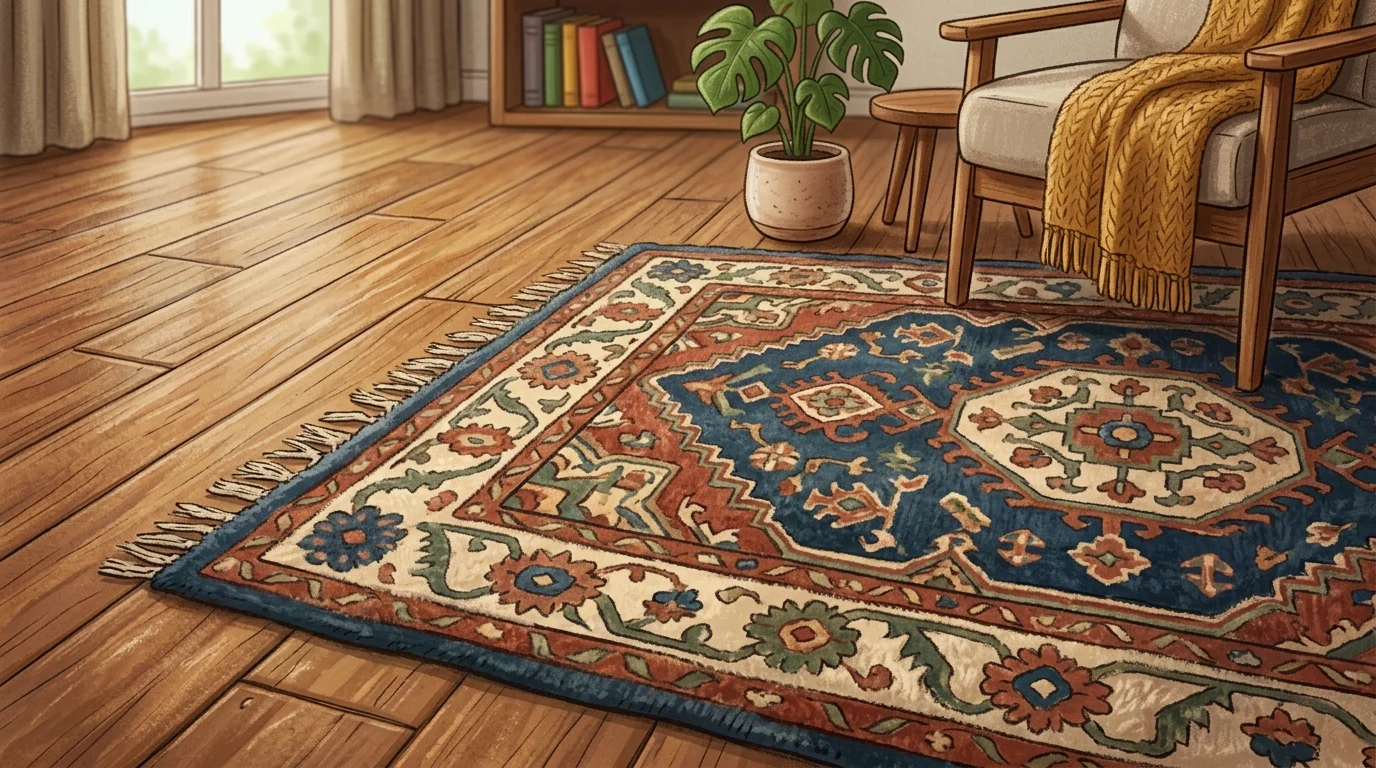
What Is Laminate Flooring?
Laminate flooring is a multi-layer synthetic flooring product designed to imitate natural hardwood, stone, or tile. Modern laminate uses high-definition printed layers and durable protective coatings that make it both attractive and resistant to everyday wear.
Many homeowners choose laminate because it delivers the appearance of hardwood without the high price or extensive maintenance.
Benefits of Laminate Flooring
- Realistic wood appearance
- Scratch-resistant surface
- Easy to clean
- Doesn’t trap allergens like carpet
- More resistant to furniture marks
- Simple click-lock installation
- Lower maintenance than carpet
Drawbacks of Laminate Flooring
- Harder underfoot
- Can be noisy without quality underlayment
- Water can damage standard laminate
- Cannot usually be refinished like hardwood
- Feels colder than carpet
- Lower-quality products may look less realistic
Laminate Works Best For
- Living rooms
- Dining rooms
- Hallways
- Home offices
- Rental properties
- High-traffic spaces
Carpet vs Laminate: Side-by-Side Comparison
| Feature | Carpet | Laminate Flooring |
|---|---|---|
| Comfort | ⭐⭐⭐⭐⭐ | ⭐⭐⭐ |
| Warmth | ⭐⭐⭐⭐⭐ | ⭐⭐⭐ |
| Appearance | ⭐⭐⭐⭐ | ⭐⭐⭐⭐⭐ |
| Durability | ⭐⭐⭐ | ⭐⭐⭐⭐⭐ |
| Water Resistance | ⭐⭐ | ⭐⭐⭐⭐ (Water-resistant types) |
| Cleaning | ⭐⭐⭐ | ⭐⭐⭐⭐⭐ |
| Allergy Friendly | ⭐⭐ | ⭐⭐⭐⭐⭐ |
| Pet Friendly | ⭐⭐⭐ | ⭐⭐⭐⭐ |
| Installation | ⭐⭐⭐⭐ | ⭐⭐⭐⭐ |
| Lifespan | 8–15 Years | 15–30 Years |
| Resale Appeal | Moderate | High |
| Maintenance | Moderate | Low |
Key Differences at a Glance
| Feature | Carpet | Laminate |
|---|---|---|
| Material | Textile fibers | Synthetic layered boards |
| Feel | Soft and cushioned | Hard and smooth |
| Best For | Comfort and warmth | Durability and style |
| Cleaning | Vacuum and deep clean | Sweep and damp mop |
| Moisture Resistance | Low | Moderate to High |
| Typical Lifespan | 8–15 years | 15–30 years |
Cost Comparison
Budget often plays a major role when choosing between carpet and laminate.
Carpet Costs
Carpet generally has a lower material cost, especially for entry-level products. However, installation costs can increase depending on padding quality and room complexity.
Typical costs include:
- Budget carpet
- Mid-range carpet
- Premium carpet with quality underlay
Although inexpensive carpet is attractive initially, it may need replacing sooner in busy households.
Laminate Flooring Costs
Laminate usually costs slightly more than basic carpet, but its longer lifespan often makes it a better long-term investment.
Costs depend on:
- Thickness
- Wear layer rating
- Water-resistant technology
- Brand quality
- Installation method
Many homeowners find laminate provides better value over time because replacement is less frequent.
Winner: Cost
- Short-term budget: Carpet
- Long-term value: Laminate
Durability Comparison
Durability is one of the biggest reasons homeowners choose laminate flooring.
Carpet Durability
Carpet gradually wears down from:
- Heavy foot traffic
- Furniture pressure
- Pet claws
- Food spills
- Sunlight fading
Busy hallways often show visible wear long before bedrooms.
Laminate Durability
Quality laminate resists:
- Scratches
- Everyday dents
- Foot traffic
- Furniture movement
- Fading
Many premium laminate products include protective wear layers that help maintain their appearance for years.
Winner: Durability
Laminate flooring is the clear winner for homes with heavy daily use.
Comfort and Feel Underfoot
Comfort is where carpet truly shines.
Carpet Comfort
Walking barefoot on carpet feels warm, soft, and cushioned. It also reduces fatigue if you spend long periods standing.
This makes carpet especially popular in:
- Bedrooms
- Nurseries
- Family rooms
- Reading areas
Laminate Comfort
Laminate offers a firm surface similar to hardwood.
Comfort can improve with:
- Premium underlayment
- Area rugs
- Radiant heating systems
However, it will never feel as soft as carpet.
Winner: Comfort
Carpet provides significantly greater comfort.
Installation Comparison
Both carpet and laminate are relatively affordable flooring options, but the installation process differs significantly.
Carpet Installation
Carpet installation typically requires:
- Measuring and cutting the carpet
- Installing or replacing carpet padding
- Stretching the carpet with specialized tools
- Securing it around walls and doorways
Because it requires professional equipment and experience, many homeowners hire an installer.
Pros
- Creates a seamless look
- Comfortable underfoot immediately
- Padding improves insulation and sound reduction
Cons
- Harder for DIY installation
- Longer installation time
- Damaged sections may require patching or replacement
Laminate Installation
Most modern laminate flooring features a click-lock system, allowing planks to snap together without nails or glue.
This makes laminate one of the most DIY-friendly flooring options.
Pros
- Easy for experienced DIYers
- Faster installation
- Individual planks can often be replaced if damaged
Cons
- Requires a level subfloor
- Expansion gaps must be left around walls
- Incorrect installation can lead to gaps or buckling
Installation Winner
Laminate flooring is generally the better choice for DIY projects, while carpet often benefits from professional installation.
Maintenance and Cleaning
Keeping your flooring clean affects both its appearance and lifespan.
Carpet Maintenance
Carpet needs regular care because dirt and dust settle into its fibers.
Routine maintenance includes:
- Vacuuming at least once a week
- Cleaning spills immediately
- Deep cleaning every 12–18 months
- Using stain removers when necessary
Homes with pets or children may require more frequent cleaning.
Laminate Maintenance
Laminate flooring is much easier to maintain.
Most dirt stays on the surface, making cleaning simple.
Routine maintenance includes:
- Sweeping or dust mopping
- Vacuuming with a hard-floor attachment
- Damp mopping using a laminate-safe cleaner
- Wiping spills promptly
Avoid soaking laminate with excessive water.
Maintenance Winner
Laminate flooring requires less effort and is easier to keep looking new.
Water Resistance
Moisture is one of the biggest factors when choosing flooring.
Carpet and Water
Carpet absorbs water quickly.
If moisture isn’t removed promptly, it can lead to:
- Mold growth
- Mildew
- Odors
- Staining
- Damaged padding
Because of this, carpet is not recommended for bathrooms, laundry rooms, or damp basements.
Laminate and Water
Traditional laminate is not waterproof, but many newer products are water-resistant or waterproof.
These newer options perform much better in kitchens and entryways.
Even waterproof laminate should not be exposed to standing water for long periods.
Water Resistance Winner
Laminate flooring performs much better around moisture than carpet.
Which Flooring Lasts Longer?
Carpet Lifespan
The average carpet lasts:
- 8–15 years
Its lifespan depends on:
- Fiber quality
- Foot traffic
- Maintenance
- Pets
- Sun exposure
Premium wool carpets may last longer with proper care.
Laminate Lifespan
Quality laminate typically lasts:
- 15–30 years
Higher-end products with thicker wear layers often stay attractive much longer.
Lifespan Winner
Laminate flooring generally lasts nearly twice as long as carpet.
Carpet vs Laminate for Pets
Pet owners need flooring that resists scratches, stains, and odors.
Carpet with Pets
Advantages:
- Soft for pets to lie on
- Better traction for older dogs
Disadvantages:
- Traps pet hair
- Holds odors
- Absorbs accidents
- Harder to remove stains
Laminate with Pets
Advantages:
- Doesn’t trap pet hair
- Easier to clean
- Resists scratches better
- Doesn’t absorb odors
Disadvantages:
- Can be slippery for some pets
- Nails may create noise while walking
Best Choice for Pets
For most pet owners, laminate flooring is the better long-term choice because it’s easier to clean and more resistant to damage.
Carpet vs Laminate for Children
Families often prioritize comfort and safety.
Carpet for Kids
Benefits include:
- Soft landing during falls
- Warm play surface
- Noise reduction
- Comfortable for crawling babies
However, spills, paint, food, and craft supplies can stain carpet.
Laminate for Kids
Benefits include:
- Easy cleanup after spills
- Better stain resistance
- More durable for toys and furniture
However, it is harder if a child falls.
Best Choice for Families
- Young children: Carpet
- Older children: Laminate
Allergy Comparison
Indoor air quality matters, especially for allergy sufferers.
Carpet
Carpet fibers can trap:
- Dust
- Pet dander
- Pollen
- Allergens
While regular vacuuming helps, allergens can still build up over time.
Laminate
Laminate has a smooth surface that doesn’t trap allergens.
Dust can be swept or vacuumed away easily.
Allergy Winner
Laminate flooring is generally recommended for people with allergies or asthma.
Noise Reduction
Flooring affects how sound travels through your home.
Carpet
Carpet naturally absorbs sound.
Benefits include:
- Quieter footsteps
- Less echo
- Better upstairs noise reduction
- Improved room acoustics
Laminate
Laminate reflects sound.
Without quality underlayment, it may produce:
- Hollow footsteps
- Echo
- Footstep noise
Installing acoustic underlayment significantly improves sound performance.
Noise Winner
Carpet is much quieter than laminate.
Eco-Friendliness
If sustainability is important, both flooring types have pros and cons.
Carpet
Some carpets are made from recycled fibers, while others are petroleum-based.
Recycling options vary by manufacturer.
Laminate
Many laminate products use recycled wood fibers and require fewer hardwood resources than solid wood flooring.
Look for certifications indicating low VOC emissions and responsible manufacturing.
Eco Winner
High-quality, certified laminate flooring generally has a smaller environmental impact than many synthetic carpets.
Quick Comparison Summary
| Category | Winner |
|---|---|
| Comfort | Carpet |
| Warmth | Carpet |
| Durability | Laminate |
| Cleaning | Laminate |
| Water Resistance | Laminate |
| Lifespan | Laminate |
| Pets | Laminate |
| Young Children | Carpet |
| Allergy-Friendly | Laminate |
| Noise Reduction | Carpet |
| DIY Installation | Laminate |
| Long-Term Value | Laminate |
Best Flooring by Room
Choosing between carpet or laminate often depends on the room. Each space has different requirements, so the ideal flooring may vary throughout your home.
Best for Bedrooms
Bedrooms are designed for comfort, relaxation, and warmth.
Why Carpet Works Well
- Soft underfoot when you wake up
- Keeps the room warmer during winter
- Reduces noise for a peaceful environment
- Creates a cozy atmosphere
Why Laminate Works Well
- Easy to clean
- Doesn’t collect as much dust
- Modern appearance
- Pairs well with area rugs
Expert Recommendation
If comfort is your top priority, carpet is usually the better choice for bedrooms. If you have allergies or prefer a low-maintenance room, laminate may be a better fit.
Winner: 🏆 Carpet
Best for Living Rooms
Living rooms experience daily foot traffic and often serve as the centerpiece of a home.
Carpet Advantages
- Comfortable for family gatherings
- Better sound absorption
- Warm and inviting
Laminate Advantages
- Elegant hardwood appearance
- Easier to clean after spills
- More resistant to everyday wear
- Better for entertaining guests
Expert Recommendation
Most homeowners prefer laminate flooring in living rooms because it combines style with durability.
Winner: 🏆 Laminate
Best for Kitchens
Kitchens are exposed to spills, moisture, and heavy use.
Carpet is generally not recommended because it absorbs liquids and stains easily.
Laminate is a much better option, especially water-resistant varieties.
Winner: 🏆 Laminate
Best for Bathrooms
Bathrooms experience constant humidity and standing water.
Standard carpet should never be installed in bathrooms.
Water-resistant laminate performs better, but waterproof vinyl is often an even stronger choice.
Winner: 🏆 Laminate
Best for Basements
Basements often experience higher humidity levels.
Carpet may trap moisture and develop mold if the basement isn’t fully dry.
Water-resistant laminate offers better protection.
Winner: 🏆 Laminate
Best for Stairs
Safety and noise are major considerations.
Carpet
- Better grip
- Quieter footsteps
- Softer if someone slips
Laminate
- Stylish appearance
- Easier to clean
- Can become slippery
Winner: 🏆 Carpet
Best for Home Offices
A home office benefits from durability and easy maintenance.
Laminate allows office chairs to roll more smoothly and is easier to keep clean.
Winner: 🏆 Laminate
Best for Rental Properties
Landlords often prefer flooring that lasts longer and requires less maintenance.
Laminate generally:
- Lasts longer
- Is easier to repair
- Looks modern
- Appeals to more tenants
Winner: 🏆 Laminate
Real-World Usage Scenarios
Scenario 1: Family with Young Children
Question: Should we choose carpet or laminate?
Recommendation: Carpet for bedrooms and playrooms. Laminate for living areas and hallways.
🎯 Lesson: Mixing flooring types often provides the best balance of comfort and durability.
Scenario 2: Home with Two Dogs
Question: Which flooring handles pets better?
Recommendation: Laminate.
Pet hair is easier to remove, scratches are less noticeable, and accidents are simpler to clean.
🎯 Lesson: Pet owners usually benefit more from laminate flooring.
Scenario 3: Allergy Sufferer
Question: Which flooring improves indoor air quality?
Recommendation: Laminate.
Dust and allergens remain on the surface instead of becoming trapped in fibers.
🎯 Lesson: Smooth flooring is generally easier to keep allergen-free.
Scenario 4: Budget-Conscious Homeowner
Question: Which flooring offers the best value?
If you’re focused on the lowest upfront cost, carpet may be attractive.
If you’re thinking long term, laminate often delivers better value because it typically lasts longer and requires less maintenance.
🎯 Lesson: Consider lifetime cost, not just purchase price.
Scenario 5: Selling Your Home
Many buyers appreciate the appearance of laminate because it resembles hardwood flooring.
Fresh, high-quality laminate can improve a home’s visual appeal, while worn carpet may discourage potential buyers.
🎯 Lesson: Flooring condition matters as much as flooring type.
Common Mistakes When Choosing Between Carpet and Laminate
Mistake 1: Choosing Based Only on Price
The cheapest flooring isn’t always the most affordable over time.
A slightly higher investment today may reduce replacement costs in the future.
Mistake 2: Ignoring Room Conditions
Moisture, foot traffic, pets, and children all affect flooring performance.
Always match the flooring to the room’s purpose.
Mistake 3: Forgetting Maintenance
Some homeowners underestimate how much work carpet requires.
Think about your cleaning habits before deciding.
Mistake 4: Buying Low-Quality Materials
Poor-quality carpet flattens quickly.
Cheap laminate may chip, swell, or wear prematurely.
Quality matters regardless of which flooring you choose.
Mistake 5: Choosing Style Over Function
A beautiful floor won’t stay attractive if it doesn’t suit your lifestyle.
Always balance appearance with practicality.
Expert Insights
Professional flooring installers often recommend using more than one flooring type throughout a home rather than installing the same material everywhere.
A practical approach is:
- Carpet in bedrooms for warmth and comfort.
- Laminate in living rooms, hallways, dining rooms, and home offices for durability and easier maintenance.
- Water-resistant flooring in kitchens, bathrooms, and laundry rooms.
This combination provides the advantages of both materials while minimizing their drawbacks.
Another key consideration is the quality of installation. Even premium flooring can perform poorly if installed incorrectly. Proper subfloor preparation, moisture control, and following the manufacturer’s installation guidelines help maximize durability and appearance.