

Quick Answer (Featured Snippet Target)
Birkenstock is a comfort-focused sandal brand known for foot support and ergonomic design, while “shoes” is a broad category covering all types of closed footwear with different purposes.
So the comparison is not equal—one is a specific brand, the other is an entire product category.
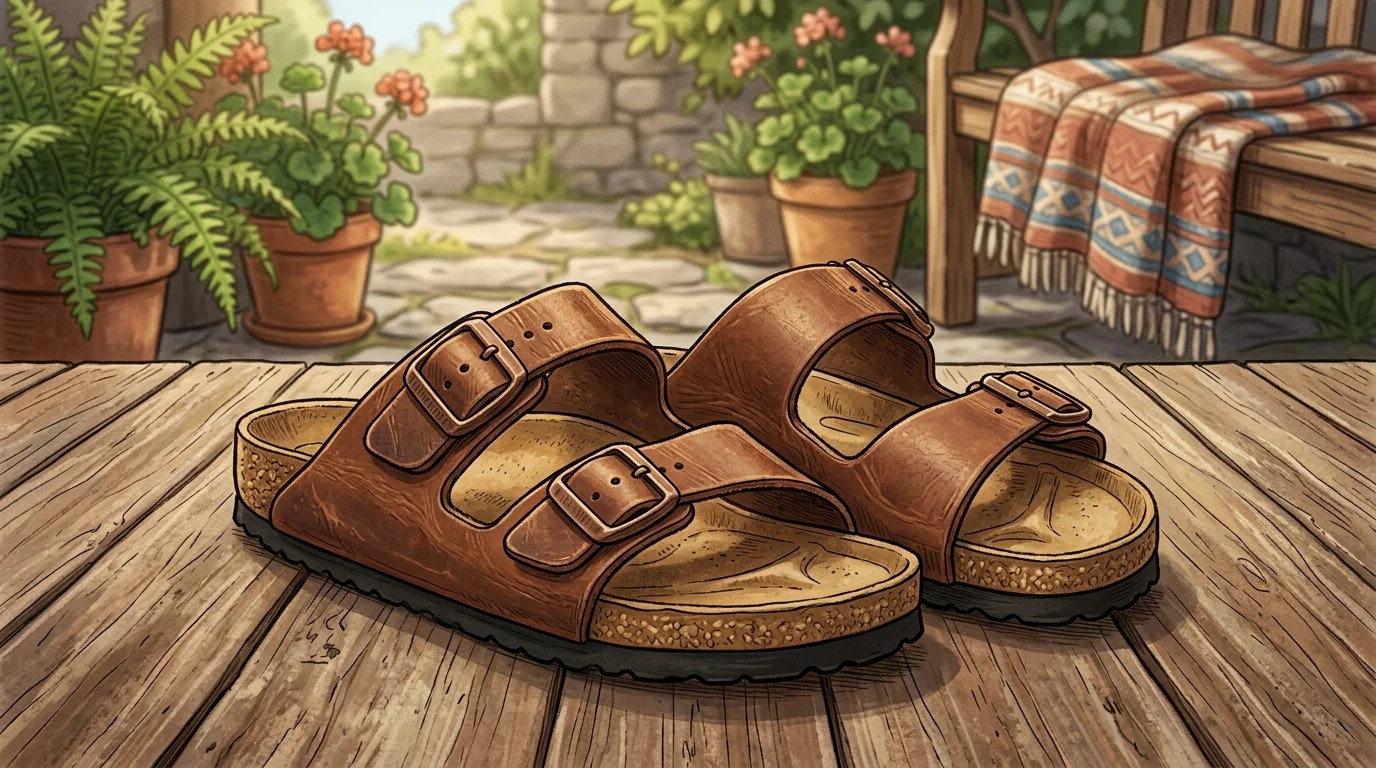
Deep Explanation: Birkenstock
Definition
Birkenstock is a German footwear brand focused on anatomically shaped footbeds designed to support natural walking posture.
Usage & Purpose
- Designed for long-term foot comfort
- Often used for casual, everyday wear
- Popular among people who prioritize arch support
Key Features
- Cork-latex footbed that molds to feet
- Strong arch and heel support
- Open sandal design (breathability)
Real Examples
- Wearing Birkenstock Arizona sandals at home
- Using them for walking short distances
- Choosing them for foot pain relief support
Key Insight
Birkenstock is not just footwear—it’s orthopedic-inspired design disguised as casual fashion.

Deep Explanation: Shoes
Definition
“Shoes” refers to a broad category of footwear that includes sneakers, formal shoes, boots, loafers, sandals, and more.
Usage & Purpose
- Covers all daily activities
- Designed for different environments (sports, office, travel)
- Focus varies: style, protection, performance
Key Types of Shoes
- Sneakers (comfort + sport)
- Formal shoes (professional use)
- Boots (durability + protection)
- Sandals (breathability)
Real Examples
- Running shoes for exercise
- Leather shoes for office wear
- Boots for winter or rough terrain
Key Insight
Shoes are not a product—they are an entire ecosystem of footwear solutions.
SERP-Dominating Comparison Section
Key Differences (Bullet Format)
- Meaning: Birkenstock = brand | Shoes = category
- Function: Support-focused sandals vs multi-purpose footwear
- Usage: Casual comfort vs all-life situations
- Design: Anatomical footbed vs varied designs
- Flexibility: Limited styles vs unlimited styles
Comparison Table
| Feature | Birkenstock (Brand) | Shoes (Category) |
|---|---|---|
| Meaning | Specific footwear brand | Entire footwear category |
| Purpose | Comfort & support focus | Multiple uses (sport, formal, casual) |
| Design | Ergonomic sandals | Many designs & materials |
| Usage | Casual / comfort wear | Every life situation |
| Example | Arizona sandals | Sneakers, boots, dress shoes |
Real-World Usage Scenarios
Scenario 1
User: “I need something comfortable for daily wear.”
- Birkenstock fits better for home + casual walking
🎯 Lesson: Comfort-first needs favor Birkenstock-style sandals.
Scenario 2
User: “I need shoes for office meetings.”
- Regular formal shoes are required, not sandals
🎯 Lesson: Category-based shoes win for professional settings.
Scenario 3
User: “I want something for travel.”
- Sneakers or hybrid shoes outperform sandals
🎯 Lesson: Travel demands versatility, not just comfort.
Common Mistakes
- Treating Birkenstock as a replacement for all shoes
- Assuming all shoes provide arch support
- Choosing style over foot health blindly
- Ignoring activity-specific footwear needs
Why it happens
People oversimplify footwear decisions and ignore biomechanical differences between sandals and structured shoes.
Memory Tricks
- Birkenstock = “comfort-first sandal brand”
- Shoes = “everything you wear on your feet”
- If it’s specific → Birkenstock
- If it’s general → shoes
Expert Insight (E-E-A-T Boost)
Footwear design splits into two major engineering paths:
- Ergonomic footwear (like Birkenstock) focuses on foot anatomy, pressure distribution, and long-term joint alignment.
- General shoes prioritize environmental adaptation, aesthetics, and activity-specific performance.
That’s why comparing them directly is technically flawed—they solve different problems. birkenstock or shoes.