
Quick Answer
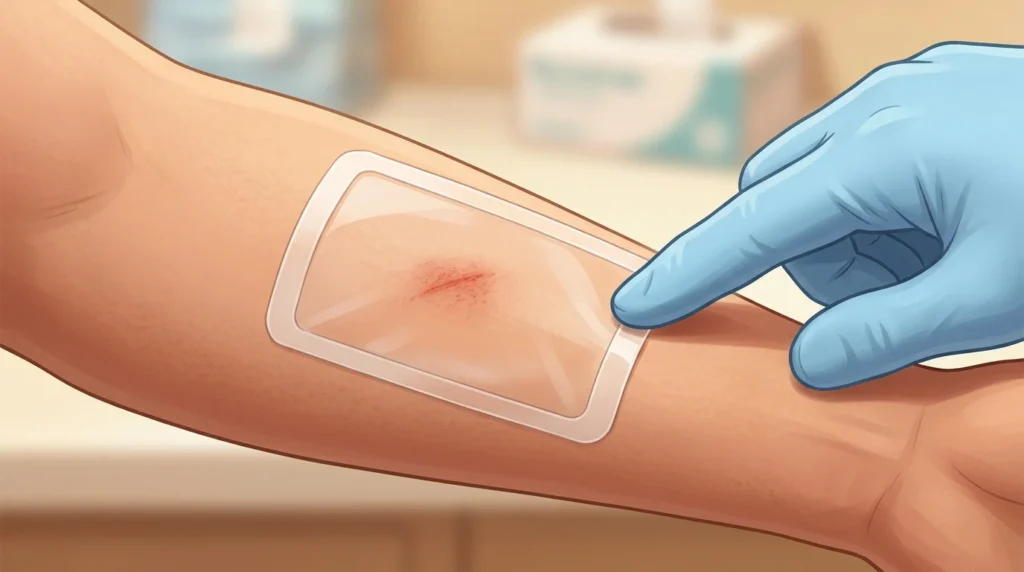
Both Bioclusive and Tegaderm are transparent adhesive film dressings designed to protect wounds and catheter sites while allowing the skin to breathe.
- Bioclusive is a transparent film dressing designed for wound protection and securement.
- Tegaderm is a widely recognized transparent dressing available in multiple specialized versions for wounds, IV sites, and catheter securement.
Neither product is universally better—the best choice depends on your clinical needs, skin sensitivity, healthcare provider recommendations, and product availability.
What Is Bioclusive?
Definition
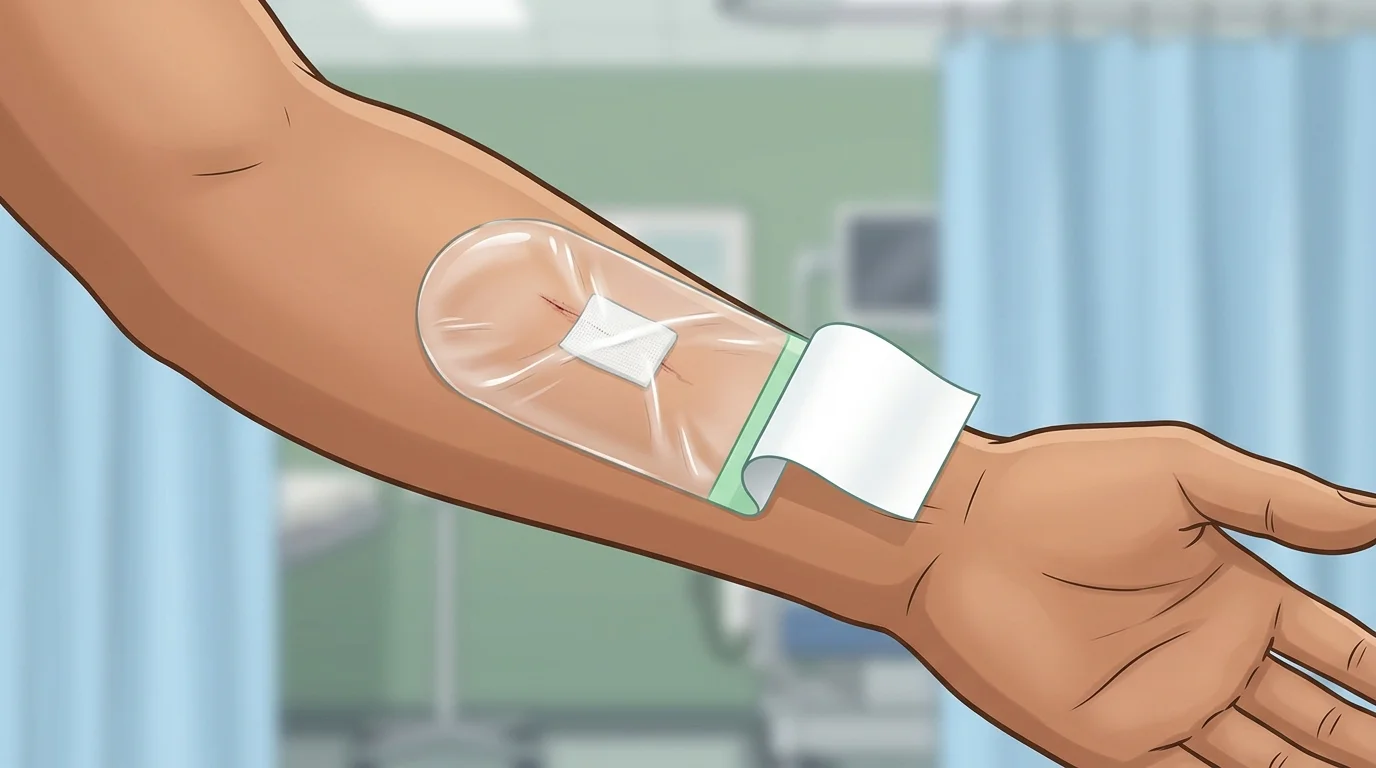
Bioclusive is a sterile transparent film dressing designed to create a protective barrier over wounds and medical devices while allowing oxygen and moisture vapor exchange.
Key Features
- Transparent polyurethane film
- Waterproof outer barrier
- Breathable membrane
- Helps protect against external contaminants
- Flexible construction
- Available in multiple sizes
Common Uses
Healthcare professionals commonly use Bioclusive for:
- Minor wounds
- Surgical incision protection
- IV site coverage
- Catheter securement
- Skin protection
Real Examples
Example 1
“The nurse covered the IV insertion site with a Bioclusive dressing.”
Example 2
“Bioclusive helped keep the surgical incision protected during showering.”
Example 3
“The transparent film allowed easy inspection of the wound.”
Key Insights
- Thin, flexible film
- Waterproof protection
- Allows visual monitoring without removal
- Designed for medical settings
What Is Tegaderm?
Definition
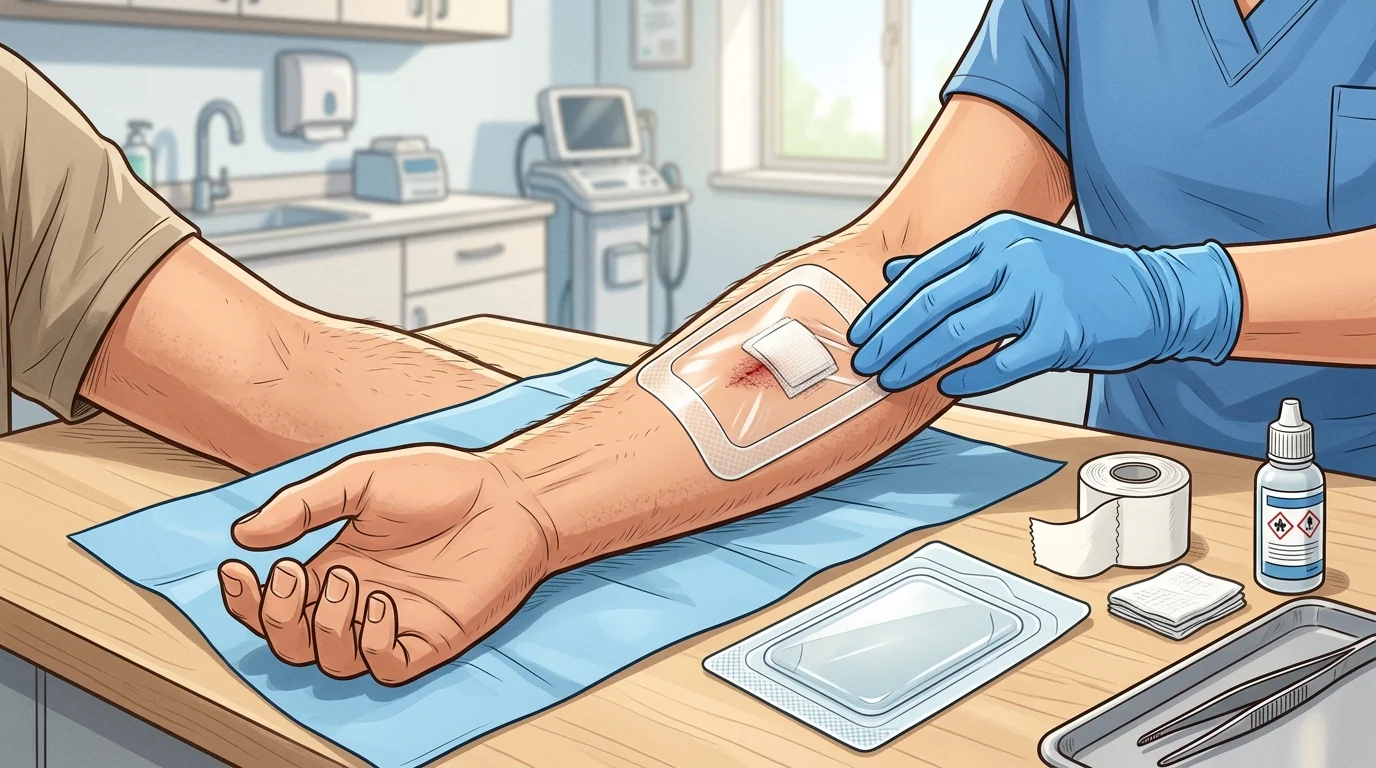
Tegaderm is a family of transparent film dressings developed by 3M. The product line includes standard transparent films as well as specialized dressings for IVs, central venous catheters, and wound care.
Key Features
- Transparent film
- Waterproof barrier
- Breathable design
- Wide product range
- Multiple securement options
- Easy application systems on many models
Common Uses
Tegaderm is frequently used for:
- IV dressings
- PICC lines
- Central line dressings
- Minor wound protection
- Post-surgical care
- Catheter securement
Real Examples
Example 1
“The hospital uses Tegaderm dressings for central line care.”
Example 2
“Tegaderm protected the wound while allowing daily inspection.”
Example 3
“The transparent dressing stayed in place during showering.”
Key Insights
- Extensive product family
- Widely used in hospitals
- Available for numerous clinical applications
- Recognized worldwide
Bioclusive or Tegaderm: What’s the Difference?
Major Differences
- Manufactured by different companies.
- Tegaderm includes a broader family of specialized products.
- Bioclusive focuses on transparent film wound coverage.
- Adhesive feel may differ between products.
- Available sizes and application systems vary.
- Healthcare facilities often standardize on one brand based on procurement and clinical protocols.
Comparison Table
| Feature | Bioclusive | Tegaderm |
|---|---|---|
| Product Type | Transparent film dressing | Transparent film dressing |
| Manufacturer | Different medical manufacturer | 3M |
| Waterproof | Yes | Yes |
| Breathable | Yes | Yes |
| Transparent | Yes | Yes |
| Wound Inspection | Easy | Easy |
| Product Range | More limited | Extensive |
| Common Hospital Use | Yes | Very common |
Waterproof Protection
Both dressings are designed to provide a waterproof outer barrier that helps protect the covered area during everyday activities such as showering.
However, waterproof performance depends on:
- Proper application
- Skin preparation
- Dressing size
- Body location
- Amount of movement
Neither dressing remains effective indefinitely, and lifting edges may reduce protection.
Comfort and Flexibility
Both products are designed to conform to body contours.
Patients often appreciate:
- Lightweight feel
- Flexible movement
- Ability to monitor the wound without removing the dressing
Individual comfort varies depending on skin type, adhesive tolerance, and wear time.
Which One Is Better?
There isn’t a universal winner.
Choose based on factors such as:
- Your healthcare provider’s recommendation
- Type of wound or catheter
- Required dressing size
- Skin sensitivity
- Product availability
- Institutional protocols
In many healthcare settings, the decision is guided by clinical guidelines rather than personal preference.
Real-World Usage Scenarios
Scenario 1
Patient: “I need to keep my IV site covered.”
Nurse: “We’ll apply a transparent dressing that allows us to monitor the site without removing it.”
🎯 Lesson: Transparent films help protect while allowing visual inspection.
Scenario 2
Patient: “Can I shower with the dressing?”
Healthcare Professional: “If it’s intact and properly applied, it’s designed to resist water during showering.”
🎯 Lesson: Always check that the edges remain sealed.
Scenario 3
Patient: “Should I choose Bioclusive or Tegaderm myself?”
Clinician: “The choice depends on your medical situation and the type of dressing needed.”
🎯 Lesson: Clinical needs should guide product selection.
Scenario 4
Patient: “The dressing edges are peeling.”
Nurse: “It may need to be replaced to maintain protection.”
🎯 Lesson: An intact seal is important for proper function.
Common Mistakes
Assuming They’re Identical
Both are transparent film dressings, but product designs and available variants differ.
Why it happens: Their appearance is very similar.
Choosing Based Only on Brand Recognition
A well-known brand doesn’t automatically make it the best choice for every clinical situation.
Why it happens: Brand familiarity can influence purchasing decisions.
Leaving a Damaged Dressing in Place
A dressing that has lifted or become compromised may no longer provide the intended barrier.
Why it happens: Small areas of peeling are easy to overlook.
Ignoring Skin Reactions
Some people may experience irritation from adhesives.
Why it happens: Skin sensitivity varies between individuals.
Memory Tricks
Remember Bioclusive
Think:
“Bio = Barrier.”
Bioclusive focuses on protecting wounds with a transparent barrier.
Remember Tegaderm
Think:
“Tega = Trusted in many hospitals.”
Tegaderm is widely recognized across healthcare settings and includes multiple specialized dressing options.
Easy Shortcut
- Need a transparent film dressing? → Either may be appropriate.
- Need a specific catheter or IV dressing system? → Check the exact Tegaderm or Bioclusive product recommended by your healthcare provider.
Expert Insight
Bioclusive and Tegaderm belong to the same general category of transparent film dressings, so their core purpose—protecting wounds and allowing continuous visual assessment—is similar. The practical differences usually come down to factors such as adhesive characteristics, application systems, available product variants, institutional purchasing decisions, and clinician familiarity. Rather than focusing solely on the brand name, healthcare professionals select a dressing based on the patient’s condition, the type of wound or medical device, expected wear time, and compatibility with established care protocols. bioclusive or tegaderm.