
Quick Answer
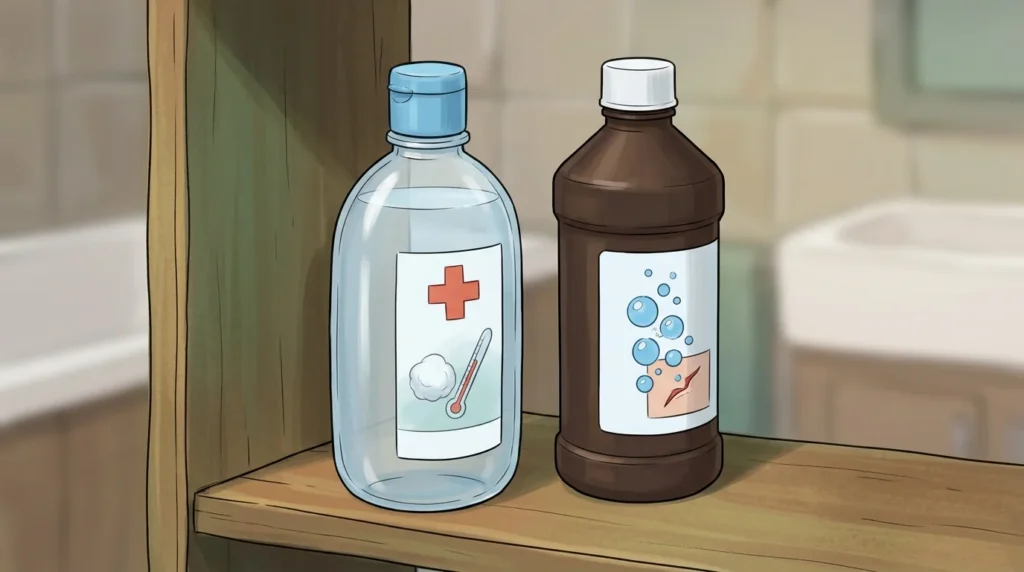
Alcohol is a fast-acting disinfectant used for skin and surfaces. Hydrogen peroxide kills germs through oxidation but is not ideal for routine wound care.
Alcohol is generally more practical for everyday use.
Alcohol (Meaning and Use)
What it is
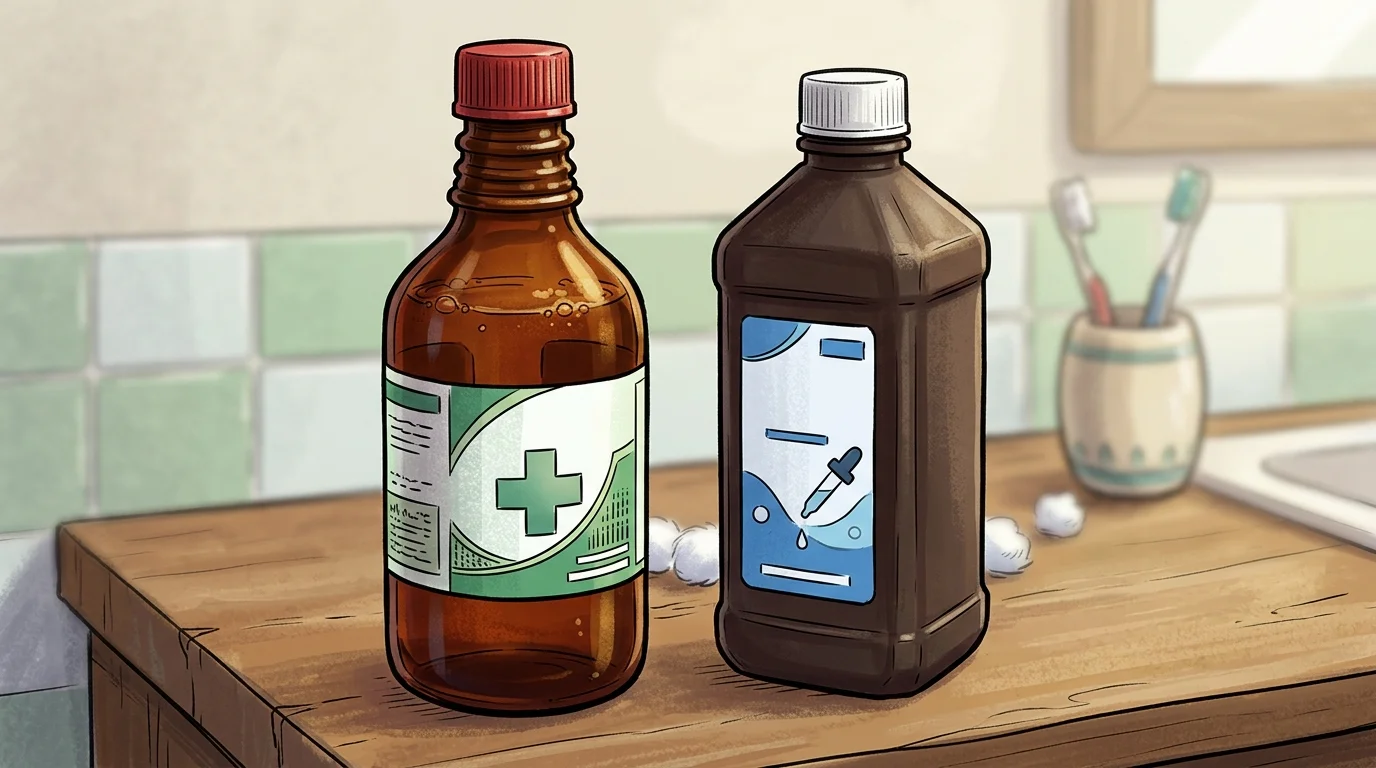
Alcohol (isopropyl or ethanol) is a rapid antiseptic that kills microbes by destroying proteins and cell membranes.
How it works
It dehydrates and breaks down microbial structures quickly.
Common uses
- Skin cleaning before injections
- Surface disinfection
- Hand sanitizers
- Medical tool cleaning
Key point
Works best at 60–90% concentration (especially 70%).
Peroxide (Meaning and Use)
What it is
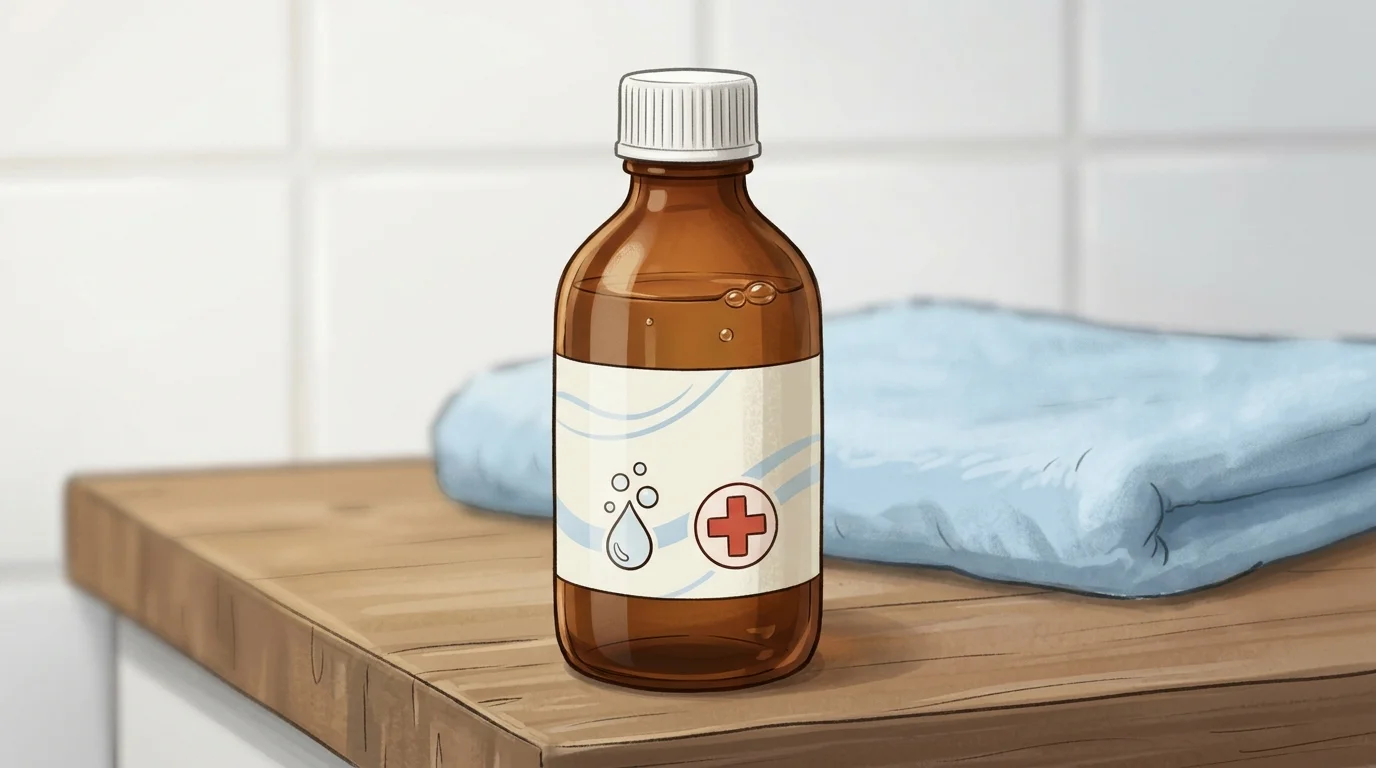
Hydrogen peroxide is an oxidizing agent that kills germs by releasing oxygen.
How it works
It creates a bubbling reaction while breaking down organic matter.
Common uses
- Stain removal
- Surface cleaning (limited cases)
- Diluted oral rinses (carefully used)
Key point
Bubbling looks strong but does not mean better healing.
Alcohol vs Peroxide (Key Differences)
Main differences
- Alcohol: protein destruction
- Peroxide: oxidation reaction
- Alcohol: fast evaporation
- Peroxide: foaming reaction
- Alcohol: routine medical use
- Peroxide: limited modern wound use
Comparison Table
| Feature | Alcohol | Peroxide |
|---|---|---|
| Action | Protein breakdown | Oxidation |
| Speed | Fast | Moderate |
| Skin use | Common | Limited |
| Surface cleaning | Excellent | Moderate |
| Medical use | Standard | Limited |
| Reaction | No visible effect | Bubbles |
Real-World Usage Scenarios
Scenario 1
Cut cleaning → Peroxide overuse slows healing
🎯 Lesson: More bubbling ≠ better healing
Scenario 2
Injection prep → Alcohol used
🎯 Lesson: Alcohol is standard
Scenario 3
Phone cleaning → Alcohol preferred
🎯 Lesson: Safer for electronics
Scenario 4
Stain removal → Peroxide works sometimes
🎯 Lesson: More chemical use than medical
Common Mistakes
- Thinking bubbling = stronger disinfectant
- Using peroxide repeatedly on wounds
- Treating both as interchangeable
- Ignoring concentration levels
Why it happens: People rely on visuals instead of chemistry.
Memory Tricks
- Alcohol = fast clean & evaporates
- Peroxide = foam reaction cleaner
- Skin prep → alcohol
- Stains → peroxide
Expert Insight
Alcohol works through protein denaturation, making it fast and reliable for disinfection. Peroxide works through oxidation, which can also damage healthy tissue if overused.
That’s why modern medical practice prefers alcohol for routine skin disinfection and limits peroxide in wound care. alcohol or peroxide.