
Quick Answer
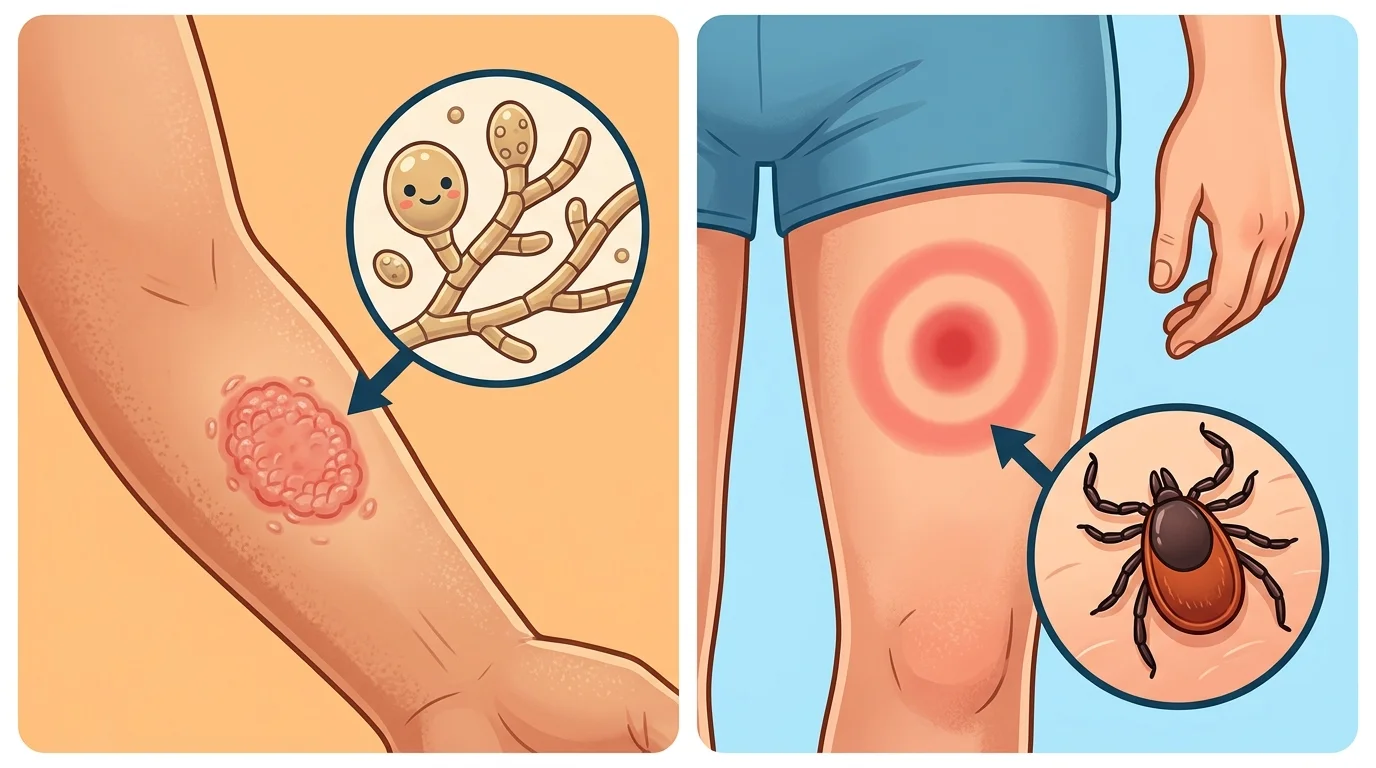
Ringworm is a fungal skin infection that causes itchy, circular patches with raised edges.
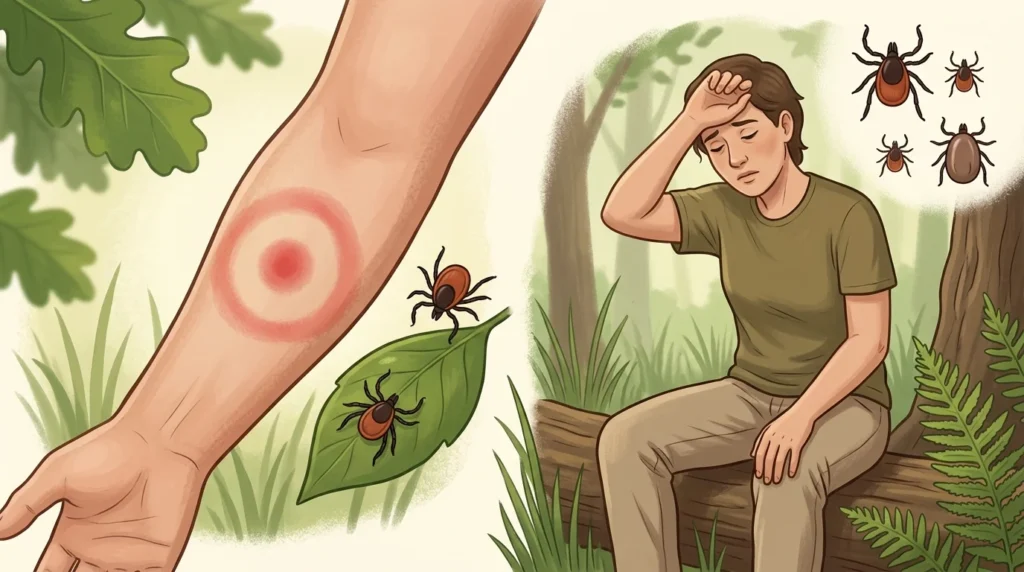
Lyme disease is a bacterial infection spread by infected ticks and often causes a bull’s-eye rash along with flu-like symptoms.
While both may involve circular skin rashes, their causes, treatments, and health risks are completely different.
What Is Ringworm?
Definition
Ringworm is a common fungal infection of the skin. Despite its name, it is not caused by a worm.
The infection is caused by fungi known as dermatophytes that live on the skin, hair, and nails.
Usage and Medical Context
Healthcare professionals use the term “ringworm” to describe fungal infections that appear in different parts of the body, including:
- Scalp
- Feet
- Groin
- Body skin
- Nails
The medical name varies depending on the affected area.
Common Symptoms
- Circular rash
- Red, scaly skin
- Raised borders
- Itching
- Skin cracking or peeling
Real Examples
Example 1:
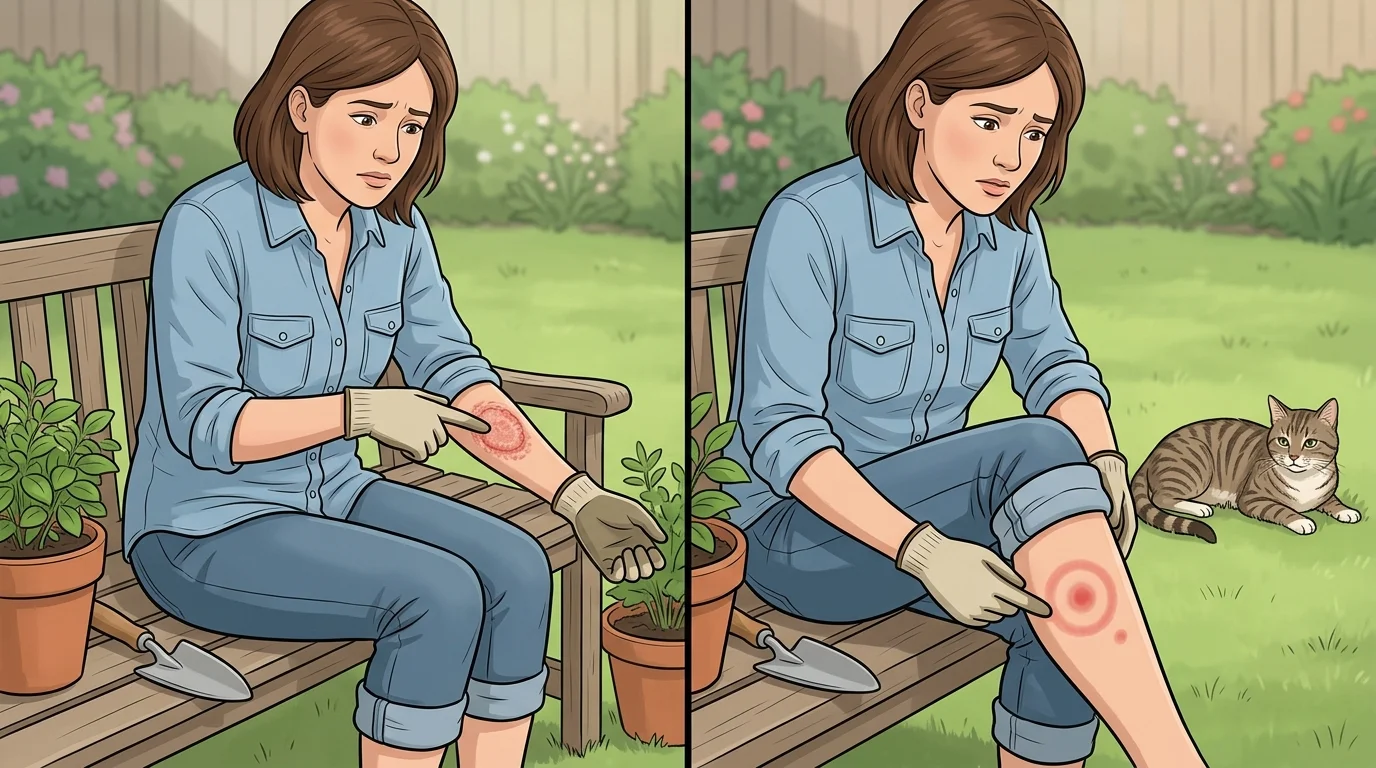
A child develops a red circular patch on the arm after sharing sports equipment.
Example 2:
An athlete notices itchy, ring-shaped skin irritation after frequent gym sessions.
Example 3:
A pet owner develops a scaly circular rash after handling an infected cat.
Key Insight
Ringworm stays primarily on the skin and is caused by fungi, not bacteria or parasites.
What Is Lyme Disease?
Definition
Lyme disease is a bacterial infection caused by Borrelia bacteria and transmitted through the bite of infected ticks.
Usage and Medical Context
Lyme disease is considered a tick-borne illness that can affect multiple body systems if left untreated.
It is most commonly reported in wooded and grassy regions where ticks are prevalent.
Common Symptoms
- Bull’s-eye rash
- Fever
- Chills
- Fatigue
- Headache
- Muscle aches
- Joint pain
Real Examples
Example 1:
A hiker develops a circular expanding rash several days after removing a tick.
Example 2:
A camper experiences fatigue, fever, and joint pain weeks after outdoor exposure.
Example 3:
A person notices an enlarging red rash and later develops knee swelling.
Key Insight
Lyme disease is a systemic bacterial infection that can affect the nervous system, heart, and joints if untreated.
Ringworm vs Lyme Disease: Key Differences
Quick Differences
- Ringworm is caused by fungi.
- Lyme disease is caused by bacteria.
- Ringworm spreads through skin contact.
- Lyme disease spreads through infected tick bites.
- Ringworm mainly affects the skin.
- Lyme disease can affect the entire body.
- Ringworm commonly causes itching.
- Lyme disease often causes flu-like symptoms.
Comparison Table
| Feature | Ringworm | Lyme Disease |
|---|---|---|
| Meaning | Fungal skin infection | Tick-borne bacterial infection |
| Cause | Dermatophyte fungi | Borrelia bacteria |
| Transmission | Contact with infected skin, animals, or surfaces | Bite from infected tick |
| Main Symptoms | Itchy circular rash | Bull’s-eye rash, fever, fatigue |
| Affected Areas | Skin, scalp, nails | Skin, joints, heart, nervous system |
| Contagious | Yes | No person-to-person spread |
| Treatment | Antifungal medication | Antibiotics |
| Severity | Usually mild | Can become serious if untreated |
| Example | Itchy circular skin patch | Expanding rash after tick bite |
Real-World Usage Scenarios
Scenario 1
Person A: “I have a circular rash. Is it Lyme disease?”
Doctor: “Is it itchy and scaly, or did it appear after a tick bite?”
🎯 Lesson: Circular rashes alone cannot determine the diagnosis.
Scenario 2
Person A: “I went hiking and now have a bull’s-eye rash.”
Doctor: “That raises concern for Lyme disease.”
🎯 Lesson: Outdoor exposure and tick contact are important clues.
Scenario 3
Person A: “My rash is itchy and spreading around the edges.”
Doctor: “That pattern is more consistent with ringworm.”
🎯 Lesson: Ringworm often produces itching and scaling.
Scenario 4
Person A: “I have fatigue, fever, and joint pain.”
Doctor: “Those symptoms are more typical of Lyme disease.”
🎯 Lesson: Systemic symptoms point beyond a simple skin infection.
Scenario 5
Person A: “My cat has a fungal infection and now I have a rash.”
Doctor: “Ringworm should be considered.”
🎯 Lesson: Animal exposure can contribute to ringworm transmission.
Common Mistakes
Mistake 1: Assuming Every Circular Rash Is Ringworm
Why it happens: Ring-shaped rashes are strongly associated with ringworm.
Correction: Lyme disease can also produce circular skin lesions.
Mistake 2: Ignoring Tick Exposure
Why it happens: People focus only on the rash appearance.
Correction: Recent outdoor activity is a major diagnostic clue.
Mistake 3: Treating Lyme Disease With Antifungal Creams
Why it happens: The rash may resemble ringworm.
Correction: Lyme disease requires medical evaluation and antibiotic treatment.
Mistake 4: Assuming Ringworm Involves Worms
Why it happens: The name is misleading.
Correction: Ringworm is caused by fungi.
Memory Tricks
Remember Ringworm
Ring = Ring-Shaped Rash
Worm = Misleading Name
Think:
“Ringworm = Ring-shaped fungal infection.”
Remember Lyme Disease
Lyme = Linked to Ticks
Think:
“Lyme follows a tick bite.”
Quick Shortcut
- Itchy and scaly = Think Ringworm
- Tick exposure and flu symptoms = Think Lyme Disease
Expert Insight
The confusion between ringworm and Lyme disease largely stems from their ability to produce circular skin lesions. However, medical professionals evaluate much more than appearance.
Ringworm develops because fungi invade the outer layers of skin, creating characteristic scaling and itching. Lyme disease occurs when Borrelia bacteria enter the body through an infected tick bite and trigger an immune response.
A key distinction is that Lyme disease is a systemic illness capable of affecting multiple organs, whereas ringworm remains primarily a localized fungal infection.
This difference explains why Lyme disease often requires prompt antibiotic therapy, while ringworm is typically treated with topical or oral antifungal medications. ringworm or lyme.