

Quick Answer
The correct spelling is sake.
“Saki” is a common misspelling in English and is not the standard term for Japanese rice wine.

What Is Sake?
Definition
Sake is a traditional Japanese alcoholic drink made by fermenting polished rice.
Key Characteristics
- Made from rice, water, yeast, and koji mold
- Alcohol content typically around 13–16%
- Can be served warm or cold
- Central to Japanese culture and ceremonies
Pronunciation Insight
Although spelled “sake,” it is pronounced closer to:
- “sa-keh” (not “sayk” like English word “sake” meaning purpose)
Examples
- I ordered sake with my sushi dinner.
- Warm sake is popular in winter in Japan.
- Premium sake is served in small ceramic cups.
Key Insight
“Sake” is both a cultural and linguistic term tied directly to Japanese tradition.
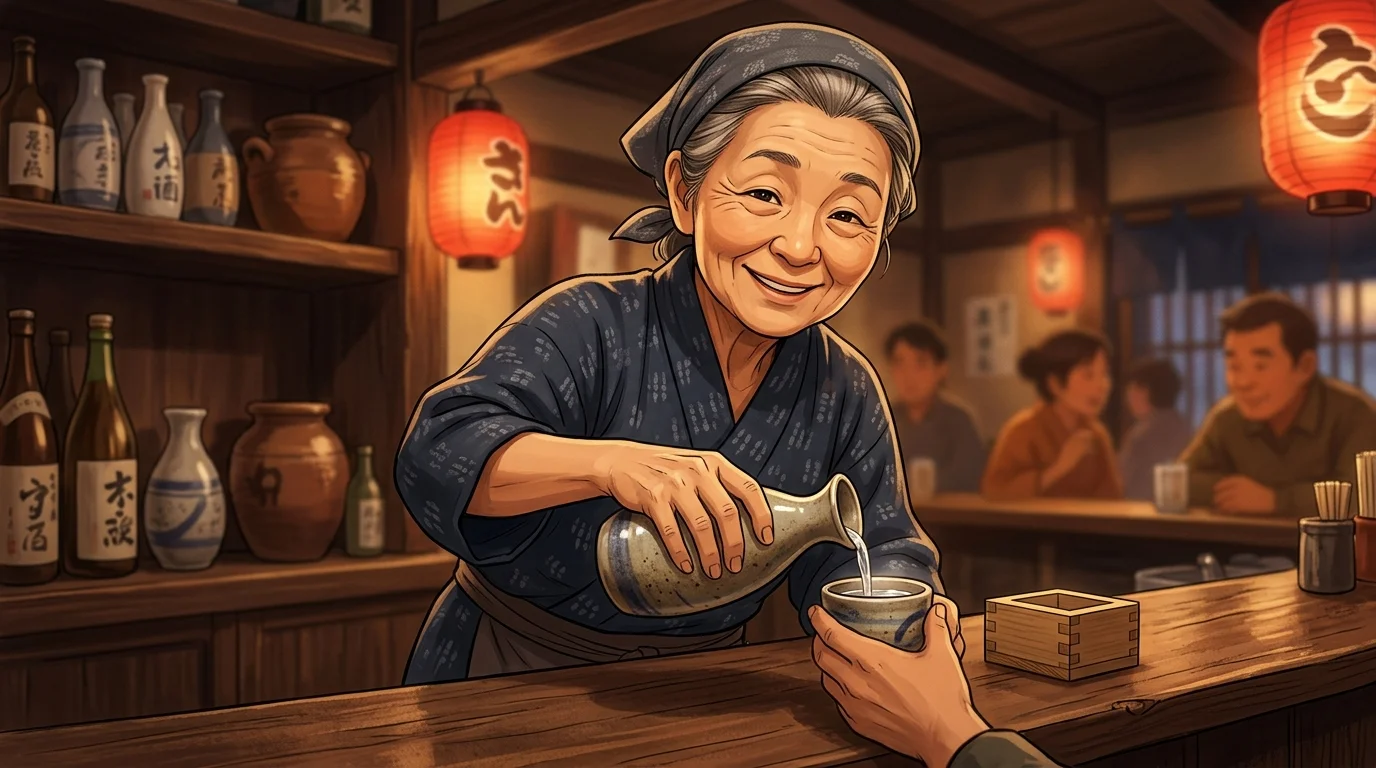
What About “Saki”?
Definition
“Saki” is an incorrect or informal spelling used in English when people mistakenly refer to sake.
Usage Rules
- Not the standard spelling
- Not used in formal writing
- Often appears due to pronunciation confusion
Why People Use It
- English speakers assume “-e” is silent
- Mishearing Japanese pronunciation
- Casual typing errors
Example Mistakes
❌ I drank saki at dinner.
✔ I drank sake at dinner.
❌ Do you like hot saki?
✔ Do you like hot sake?
Key Insight
“Saki” has no official meaning in Japanese alcohol context—it is simply a misspelling.
Sake vs Saki: Key Differences
Core Differences
- Sake = correct Japanese term
- Saki = incorrect English spelling
- Sake = culturally accurate
- Saki = informal mistake
Comparison Table
| Feature | Sake | Saki |
|---|---|---|
| Meaning | Japanese rice wine | Misspelling |
| Language Origin | Japanese | English error |
| Correct Usage | Yes | No |
| Formal Writing | Accepted | Incorrect |
| Cultural Accuracy | High | None |
Real-World Usage Scenarios
Scenario 1: Restaurant Menu
Customer: “Do you serve saki?”
Waiter: “We serve sake, the Japanese rice wine.”
🎯 Lesson: Menus always use the correct spelling “sake.”
Scenario 2: Travel in Japan
Tourist: “Can I try saki?”
Guide: “It’s called sake.”
🎯 Lesson: Native context always uses “sake.”
Scenario 3: Online Search
User types “saki near me”
Search engine: Returns “sake” results instead.
🎯 Lesson: Misspelling still leads to correct intent.
Scenario 4: Casual Conversation
Friend A: “I love hot saki.”
Friend B: “It’s sake, not saki.”
🎯 Lesson: Common spoken mistake.
Scenario 5: Bar Ordering
Customer: “One saki please.”
Bartender: “Sure, one sake coming up.”
🎯 Lesson: Correct terminology improves clarity.
Common Mistakes
Mistake 1: Thinking Both Spellings Are Valid
Why it happens:
People assume English allows interchangeable spelling.
Correction:
Only “sake” is correct in standard usage.
Mistake 2: Pronouncing It Like English Words
Why it happens:
English pronunciation rules mislead learners.
Correction:
Pronounce it closer to Japanese: “sa-keh”
Mistake 3: Using “Saki” in Menus or Writing
Why it happens:
Typo or lack of cultural awareness.
Correction:
Always use “sake” in formal or professional contexts.
Memory Tricks
Trick #1
Think:
Sake = Standard Alcohol
Trick #2
Remember:
- “E” = Correct
- “I” = Incorrect
Trick #3
Say it like:
“Say KEH → Sake”
Expert Insight
The word sake (酒) in Japanese simply means “alcohol,” but in English usage it has become specifically associated with Japanese rice wine.
The spelling “saki” likely emerged from phonetic misunderstanding by English speakers unfamiliar with Japanese pronunciation rules.
Japanese romanization systems (like Hepburn romanization) consistently use “sake,” not “saki,” reinforcing that the correct standardized form is fixed in both linguistic and cultural contexts. sake or saki.
Over time, “sake” became globally recognized, especially in culinary and hospitality industries, while “saki” remained an informal error. sake or saki.