
Quick Answer
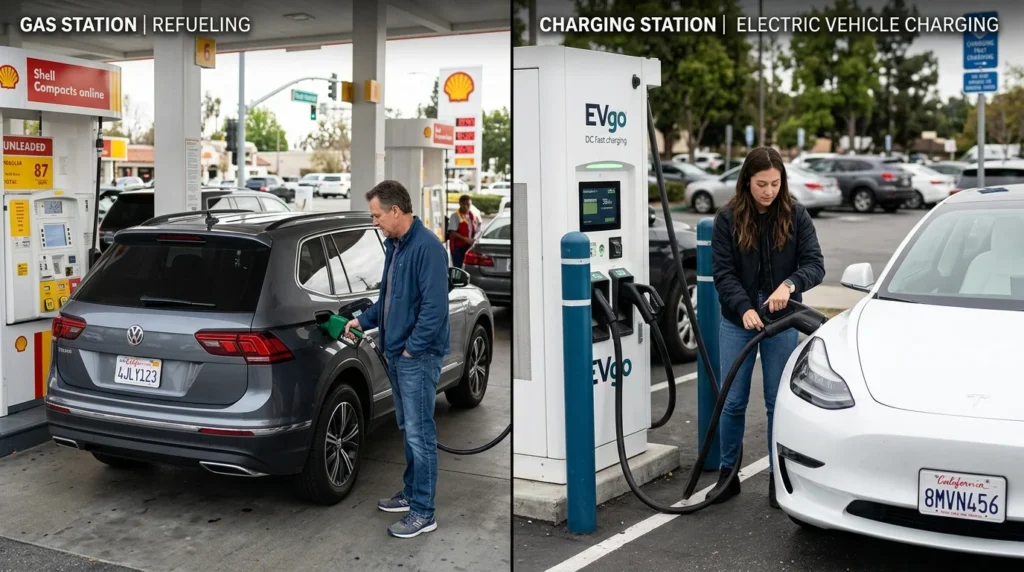
Choose electric if you want lower maintenance, quieter operation, greater energy efficiency, and reduced emissions during use.
Choose gas if you need longer operating time, quick refueling, higher sustained power for demanding tasks, or greater flexibility where electricity is unavailable. The best choice depends on the product and how you plan to use it.
What Does Electric Mean?
Definition
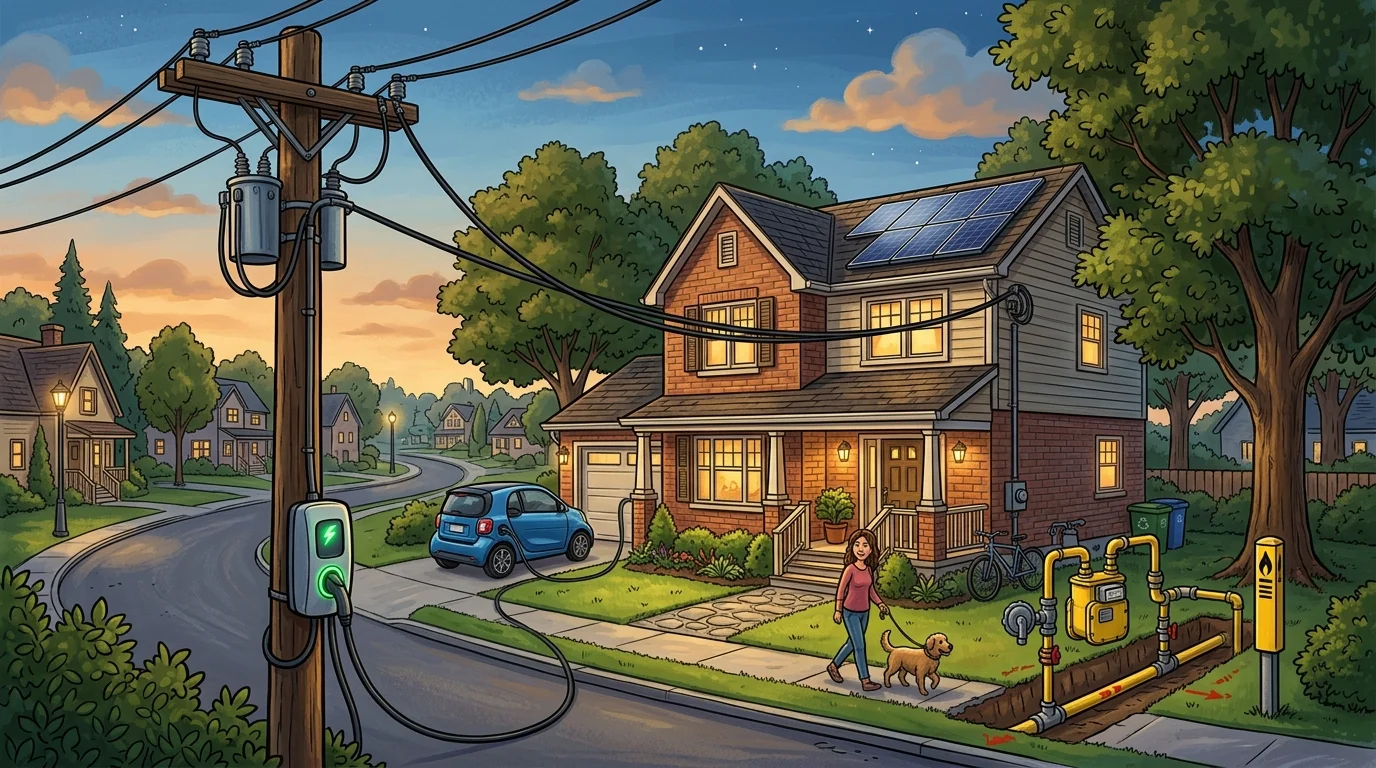
An electric product uses electrical energy to operate. It may receive power from a rechargeable battery, a plug connected to the electrical grid, or both.
Electric technology is increasingly common in vehicles, household appliances, outdoor equipment, and heating systems because it is often energy-efficient and requires less routine maintenance than gas-powered alternatives.
Key Features
- Powered by electricity
- Rechargeable batteries or electrical outlets
- Quiet operation
- Lower routine maintenance
- High energy efficiency
- No exhaust emissions during operation
Advantages
- Lower operating noise
- Fewer moving parts
- Reduced maintenance
- Instant power delivery in many applications
- Lower emissions during use
Real-World Examples
- Electric cars
- Induction cooktops
- Battery-powered lawn mowers
- Electric water heaters
- Electric leaf blowers
Key Insight: Electric products often provide convenience, efficiency, and lower maintenance costs over time.
What Does Gas Mean?
Definition
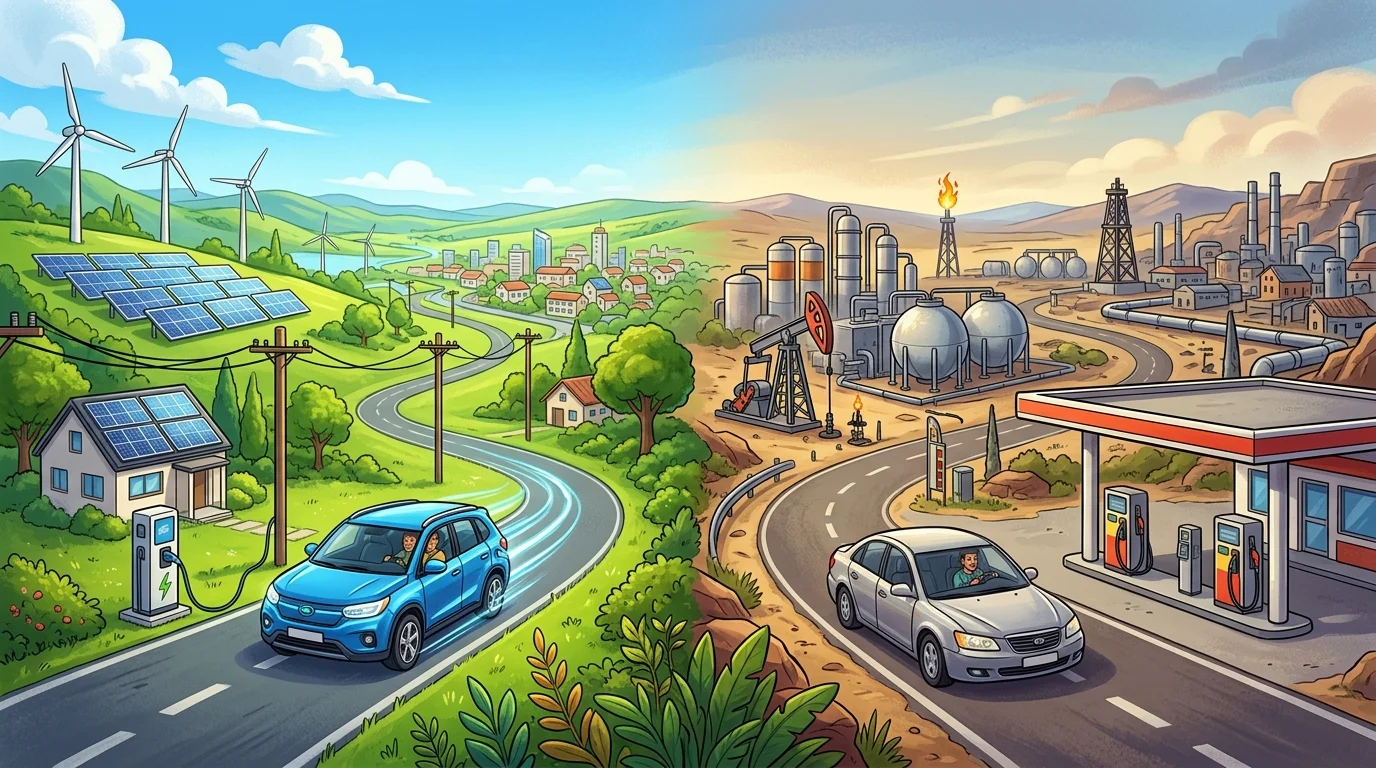
A gas product uses fuel such as gasoline, diesel, propane, or natural gas to produce energy. Internal combustion engines and gas-burning appliances remain popular because of their high power output and ability to operate for long periods with quick refueling.
Key Features
- Powered by fuel
- Quick refueling
- Proven technology
- Strong performance under heavy loads
- Long operating range
- Suitable for demanding tasks
Advantages
- Fast refueling
- High continuous power
- Long operating time
- Reliable for heavy-duty work
- Operates where charging may not be available
Real-World Examples
- Gasoline vehicles
- Natural gas furnaces
- Gas ranges
- Gas-powered generators
- Gas lawn tractors
Key Insight: Gas-powered products remain a practical choice where sustained performance and quick refueling are priorities.
Electric vs Gas: Key Differences
Major Differences
- Power Source: Electric uses electricity; gas uses fuel.
- Operating Cost: Electric is often less expensive to operate, though costs vary by local electricity and fuel prices.
- Maintenance: Electric generally requires less routine maintenance.
- Noise: Electric products are usually much quieter.
- Emissions: Electric products produce no tailpipe or direct exhaust emissions during operation, while gas products produce combustion emissions.
- Refueling: Electric requires charging or a power connection; gas can often be refueled in minutes.
- Performance: Gas may be better for extended heavy-duty use, while electric often delivers strong, instant torque in many applications.
Comparison Table
| Feature | Electric | Gas |
|---|---|---|
| Energy Source | Electricity | Gasoline, natural gas, propane, or diesel |
| Operating Noise | Quiet | Louder |
| Maintenance | Lower | Higher |
| Refueling | Charging or plug-in | Quick fuel refill |
| Operating Cost | Often lower | Often higher, depending on fuel prices |
| Emissions During Use | None directly from the product | Produces combustion emissions |
| Best For | Daily use, efficiency, lower maintenance | Heavy-duty work, long runtime, remote locations |
Real-World Usage Scenarios
Scenario 1: Daily Commuting
Buyer: I drive about 25 miles every day and can charge at home.
Recommendation: An electric vehicle may be a practical option due to lower operating costs and home charging convenience.
🎯 Lesson: Regular short trips often favor electric vehicles.
Scenario 2: Long-Distance Travel
Buyer: I frequently drive hundreds of miles in a single day.
Recommendation: A gas vehicle may reduce travel interruptions because refueling typically takes only a few minutes.
🎯 Lesson: Travel patterns should influence your decision.
Scenario 3: Lawn Care
Homeowner: I have a small suburban yard.
Recommendation: An electric mower is often sufficient, quieter, and easier to maintain.
🎯 Lesson: Smaller properties frequently benefit from electric equipment.
Scenario 4: Rural Property
Owner: I maintain several acres every week.
Recommendation: A gas-powered mower may provide longer runtime without waiting for battery charging.
🎯 Lesson: Larger workloads often favor gas equipment.
Scenario 5: Home Cooking
Cook: Should I choose an electric or gas stove?
Recommendation: Electric and induction models provide consistent heating, while many cooks prefer gas for visible flame control. Personal cooking style matters.
🎯 Lesson: There is no universal winner—usage determines the better choice.
Common Mistakes
Mistake 1: Assuming Electric Is Always Cheaper
Purchase prices, electricity rates, charging equipment, and incentives all affect the total cost of ownership.
Mistake 2: Ignoring Fuel or Electricity Prices
Operating costs vary significantly by region.
Mistake 3: Overlooking Maintenance Costs
Gas products generally require more routine maintenance, including oil changes, spark plugs, and fuel system servicing.
Mistake 4: Choosing Based Only on Initial Price
Long-term operating expenses can outweigh the upfront purchase price.
Mistake 5: Ignoring Infrastructure
Charging availability, fuel stations, and home electrical capacity should all be considered before buying.
Why These Mistakes Happen
Many buyers focus on marketing claims or the sticker price instead of evaluating long-term ownership costs and practical everyday use.
Memory Tricks
Electric = Efficiency
Think electric for quieter operation, fewer maintenance tasks, and energy efficiency.
Gas = Go Longer
Think gas for quick refueling and extended operation during demanding tasks.
Match the Product to the Job
Choose the option that best fits your daily needs instead of assuming one technology is always superior.
Expert Insight
The choice between electric and gas has become more nuanced as technology has advanced. Modern electric products have improved dramatically in performance, battery life, and efficiency, while gas-powered equipment continues to excel in applications requiring long operating times, rapid refueling, or heavy-duty performance.
The right decision depends on several factors, including your usage patterns, local energy costs, available infrastructure, environmental priorities, maintenance expectations, and budget. Evaluating total cost of ownership rather than just the purchase price usually leads to a better long-term decision. electric or gas.