
Quick Answer
Is a Tub or Shower Better?
A shower is generally the better option if you value convenience, accessibility, and water efficiency. A tub is ideal if you enjoy relaxing baths, have young children, or want a feature that appeals to many future homebuyers.
Neither is universally better. The right choice depends on your daily routine, bathroom size, family needs, and renovation budget.
What Is a Tub?
Definition
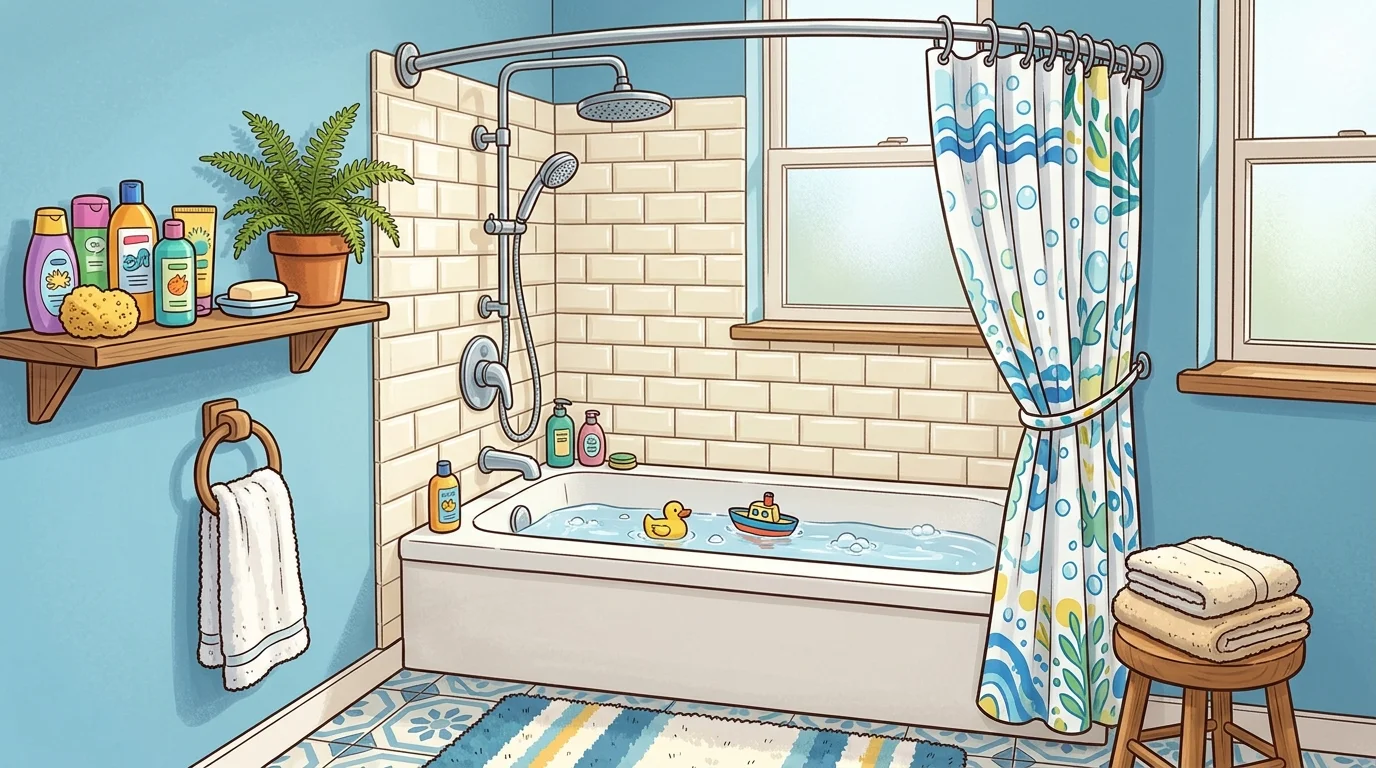
A tub, also called a bathtub, is a plumbing fixture designed to hold water so a person can sit or lie down while bathing.
Unlike showers, bathtubs are filled with standing water, making them suitable for soaking, relaxation, and therapeutic use.
When Is a Tub the Best Choice?
A bathtub is an excellent option if you:
- Enjoy long, relaxing baths
- Have babies or young children
- Need hydrotherapy for sore muscles
- Prefer spa-like experiences at home
- Want greater resale appeal for family homes
Benefits of a Tub
- Excellent for relaxation
- Supports muscle recovery
- Comfortable for children
- Easier for bathing pets
- Creates a luxurious bathroom appearance
- Available in many premium designs
Potential Drawbacks
- Uses more water
- Requires more cleaning
- Occupies more floor space
- Longer bathing time
- Higher installation costs for luxury models
Real Examples
Example 1
Sarah enjoys reading after work while soaking in warm water for 30 minutes.
Why a tub works: It provides comfort and stress relief that a shower cannot easily replicate.
Example 2
A family with two toddlers bathes both children together.
Why a tub works: Bathtubs make bathing young children much easier and safer.
Example 3
After running a marathon, David relaxes in warm water to reduce muscle soreness.
Why a tub works: Full-body immersion helps many people recover after strenuous exercise.
Key Insight
A bathtub is less about speed and more about comfort, wellness, and versatility.
What Is a Shower?
Definition
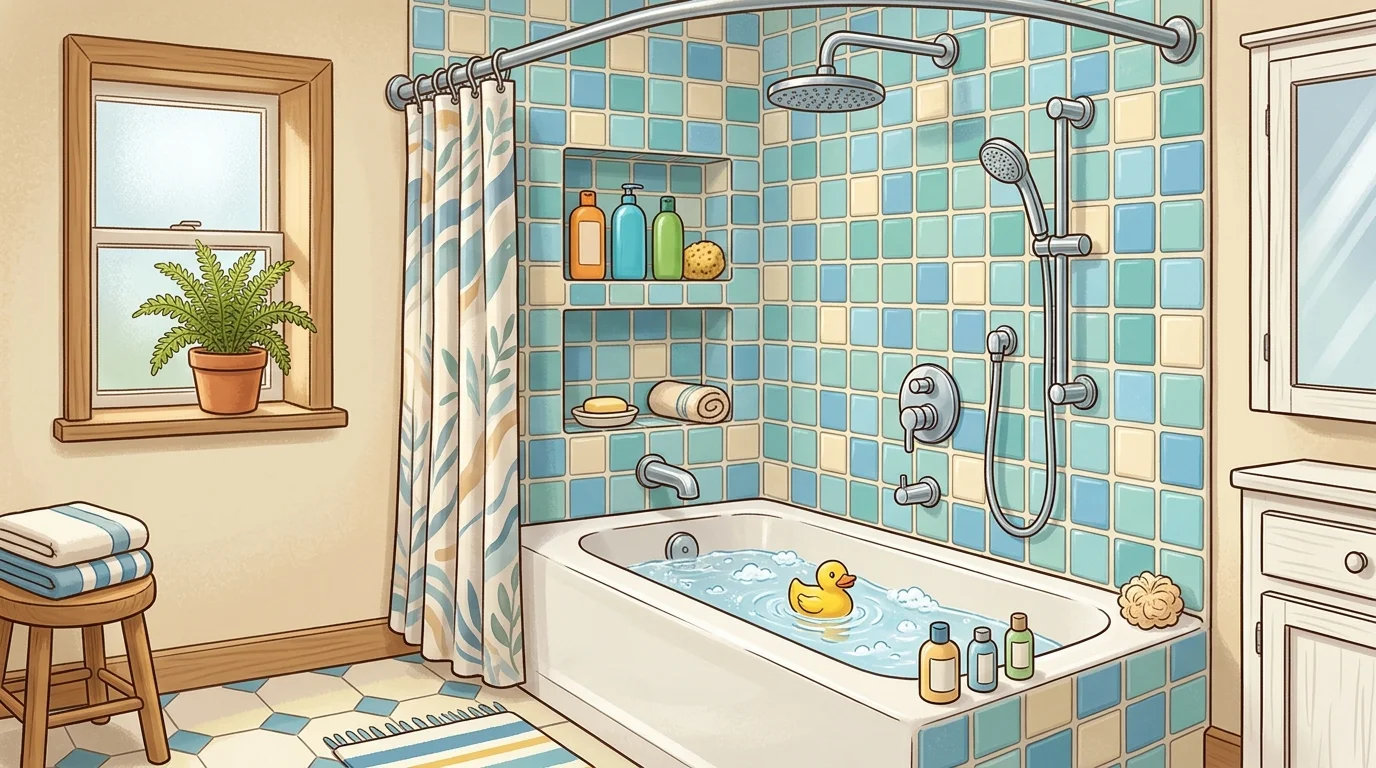
A shower is a bathing system that sprays water over the body through a showerhead while the user stands or sits on a shower seat.
Instead of filling with water, it provides a continuous flow, making it faster and more efficient.
When Is a Shower the Best Choice?
A shower is ideal if you:
- Have a busy schedule
- Want to reduce water usage
- Have limited bathroom space
- Need easier accessibility
- Prefer quick daily cleaning
Benefits of a Shower
- Fast and convenient
- Uses less water in most cases
- Easier to enter for many users
- Modern appearance
- Lower cleaning effort
- Fits small bathrooms well
Potential Drawbacks
- Not suitable for soaking
- Less relaxing for many people
- Harder for bathing babies
- Doesn’t provide the same spa experience as a bathtub
Real Examples
Example 1
James leaves for work every morning at 7:00 a.m. and finishes his shower in five minutes.
Why a shower works: It saves valuable time during busy mornings.
Example 2
A small apartment has only one compact bathroom.
Why a shower works: It maximizes available space without making the room feel crowded.
Example 3
An older homeowner installs a walk-in shower with a low threshold.
Why a shower works: It improves accessibility and reduces the risk of slips when entering or exiting.
Key Insight
A shower prioritizes efficiency, convenience, and everyday practicality, making it the preferred choice for many modern households.
Tub vs. Shower: Key Differences
At a Glance
| Feature | Tub | Shower |
|---|---|---|
| Primary Purpose | Soaking and relaxation | Quick bathing |
| Water Usage | Higher | Usually lower |
| Time Required | Longer | Shorter |
| Space Needed | More | Less |
| Accessibility | Lower | Higher, especially walk-in designs |
| Best For | Families, relaxation | Busy lifestyles, small spaces |
| Cleaning | More surface area | Typically easier |
| Luxury Appeal | High | High with premium fixtures |
Quick Comparison
- Meaning: A tub holds water for soaking, while a shower sprays running water.
- Usage: Tubs emphasize comfort; showers emphasize speed.
- Space: Showers suit compact bathrooms better.
- Water Consumption: Efficient showers generally use less water.
- Maintenance: Showers are often quicker to clean.
- Family Needs: Tubs are especially useful for homes with young children.
- Accessibility: Walk-in showers are usually easier for older adults and people with mobility limitations.
Real-World Usage Scenarios
Scenario 1: Busy Professional
Question: “I only have 10 minutes every morning. Should I choose a tub or shower?”
Answer: A shower is the better option because it allows you to bathe quickly and efficiently without using excessive water.
🎯 Lesson: If speed and convenience are your priorities, a shower is the clear winner.
Scenario 2: Family With Young Children
Question: “We have two toddlers. Which is more practical?”
Answer: A bathtub is usually more convenient because it makes bathing small children easier and safer than a standing shower.
🎯 Lesson: Families with young children often benefit from having at least one bathtub.
Scenario 3: Small Apartment
Question: “My bathroom is very small.”
Answer: A shower takes up less space and can make a compact bathroom feel larger and more functional.
🎯 Lesson: Limited space usually favors a shower.
Scenario 4: Relaxation and Wellness
Question: “I enjoy relaxing after a stressful day.”
Answer: A bathtub provides a calming soaking experience that most showers cannot match.
🎯 Lesson: If relaxation is your goal, choose a tub.
Scenario 5: Aging in Place
Question: “I’m planning for long-term accessibility.”
Answer: A walk-in shower with grab bars and a low threshold is generally safer and easier to use than climbing into a bathtub.
🎯 Lesson: Accessibility should be a key consideration for long-term bathroom design.
Common Mistakes People Make
Choosing Based Only on Appearance
A freestanding tub or luxury shower may look impressive, but your daily lifestyle matters more than aesthetics.
Why it happens: People often prioritize design over functionality.
Ignoring Bathroom Size
Installing a large bathtub in a small bathroom can make the space feel cramped.
Correction: Measure the room carefully and plan around available space.
Forgetting Future Needs
Young homeowners often overlook how their needs may change over time.
Correction: Consider children, aging family members, and resale value before deciding.
Assuming Showers Always Save Water
While many showers are water-efficient, a long shower can use as much—or even more—water than a short bath.
Correction: Water usage depends on fixture efficiency and bathing habits.
Overlooking Home Value
Removing the only bathtub in a family home may reduce its appeal to some buyers.
Correction: If possible, keep at least one bathtub in homes designed for families.
Memory Tricks
Remember “TUB = Time to Unwind”
A bathtub is associated with soaking, comfort, and relaxation.
Easy shortcut:
Tub = UnwindRemember “SHOWER = Speed”
Showers are designed for quick, efficient bathing.
Easy shortcut:
Shower = SpeedOne-Line Rule
- Want to relax? Choose a tub.
- Need to save time? Choose a shower.
Expert Insight
Why Both Options Continue to Be Popular
Bathroom design has evolved to meet different lifestyles rather than replacing one fixture with another. Modern homes often include both a bathtub and a separate shower because each serves a distinct purpose.
Interior designers frequently recommend evaluating:
- Daily routines
- Household size
- Bathroom dimensions
- Accessibility needs
- Water efficiency goals
- Long-term resale potential
Rather than asking which option is universally better, professionals ask which one better supports the homeowner’s lifestyle. tub or shower.