
Quick Answer
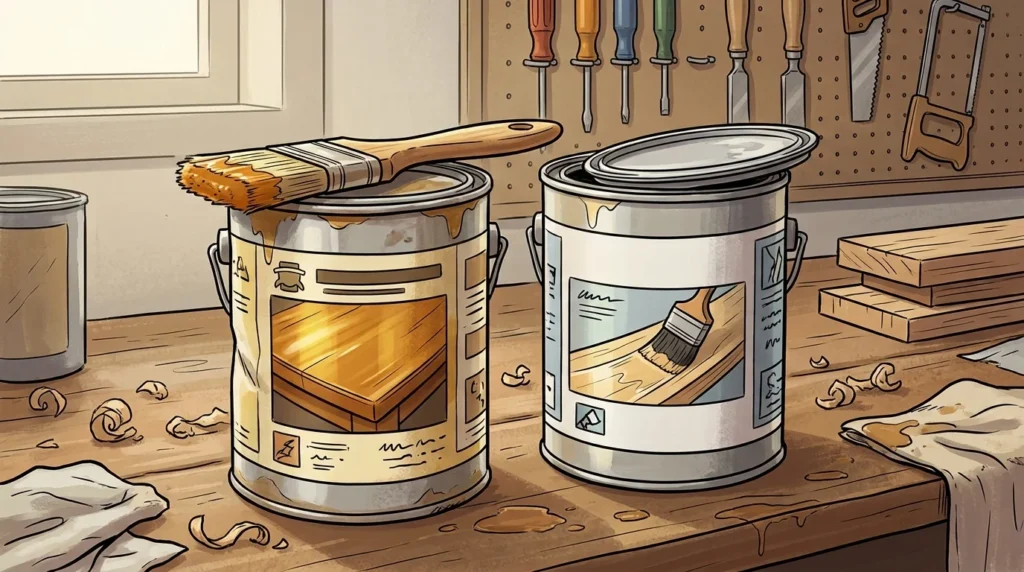
If you’re deciding between shellac or polyurethane, the best choice depends on your project.
- Shellac is a natural finish that dries quickly, enhances wood with a warm glow, and is easy to repair. It’s best for decorative furniture and indoor projects.
- Polyurethane is a highly durable synthetic finish that provides superior protection against water, scratches, chemicals, and daily wear, making it ideal for floors, tables, cabinets, and high-traffic surfaces.
What Is Shellac?
Definition
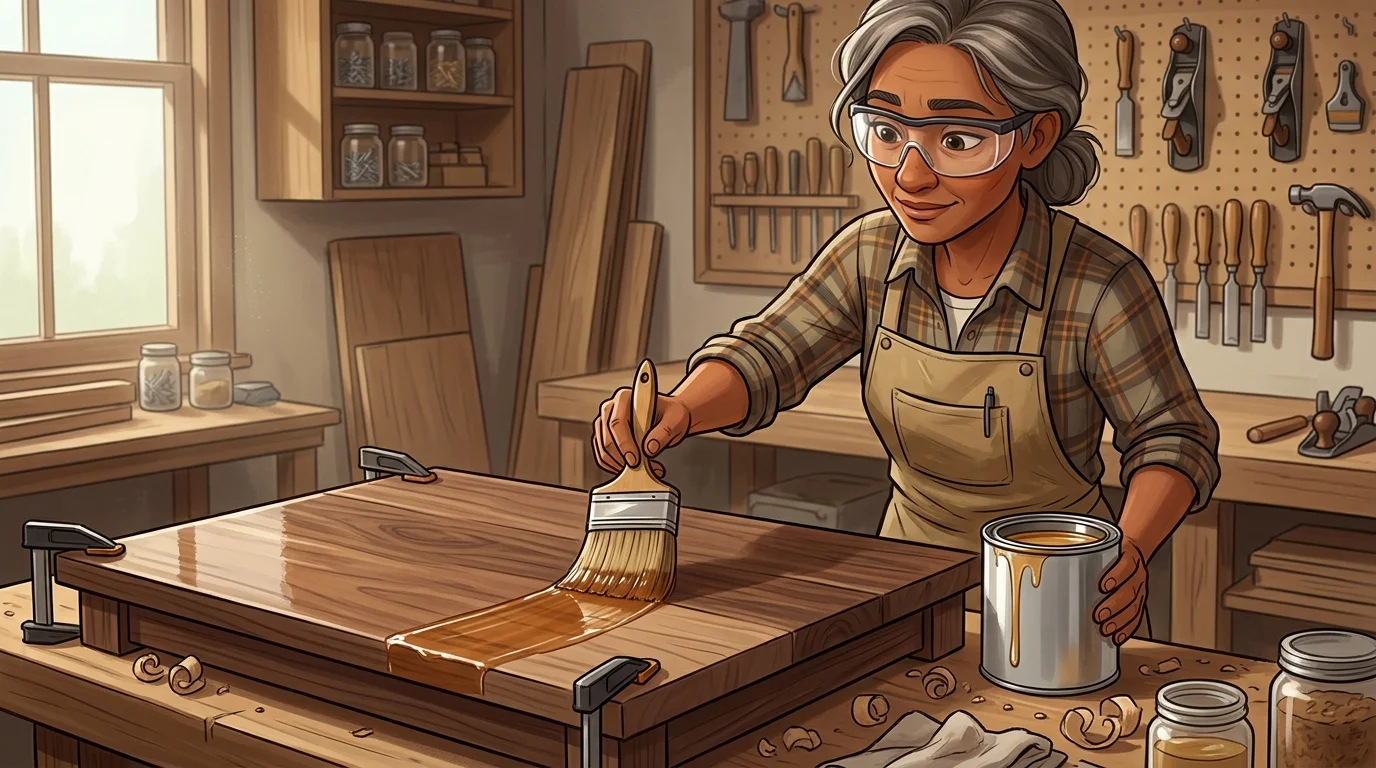
Shellac is a natural wood finish made from resin secreted by the lac insect and dissolved in alcohol. It has been used for centuries as both a protective coating and decorative finish.
It creates a rich, warm appearance that highlights natural wood grain without forming an overly thick coating.
Key Characteristics
- Natural resin finish
- Alcohol-based
- Fast drying
- Easy to repair
- Excellent clarity
- Warm amber tone
- Low build compared to polyurethane
Advantages
- Dries in as little as 15–30 minutes
- Easy to apply with a brush, pad, or spray
- Repairs blend seamlessly
- Enhances wood’s natural beauty
- Excellent for antique restoration
- Low odor after curing
Disadvantages
- Poor resistance to water
- Sensitive to heat
- Easily damaged by alcohol
- Less durable than polyurethane
- Requires periodic maintenance
Best Uses
- Antique furniture
- Decorative furniture
- Picture frames
- Interior trim
- Musical instruments
- Fine woodworking
- Restoration projects
Examples
Example 1
A vintage oak dresser restored with shellac develops a warm, classic glow that complements its antique character.
Example 2
A handcrafted jewelry box finished with shellac highlights the natural grain while remaining easy to repair if scratched.
Example 3
A dining room display cabinet receives shellac because it experiences minimal wear and benefits from its elegant appearance.
Key Insight
Shellac prioritizes beauty, tradition, and repairability over maximum durability.
What Is Polyurethane?
Definition
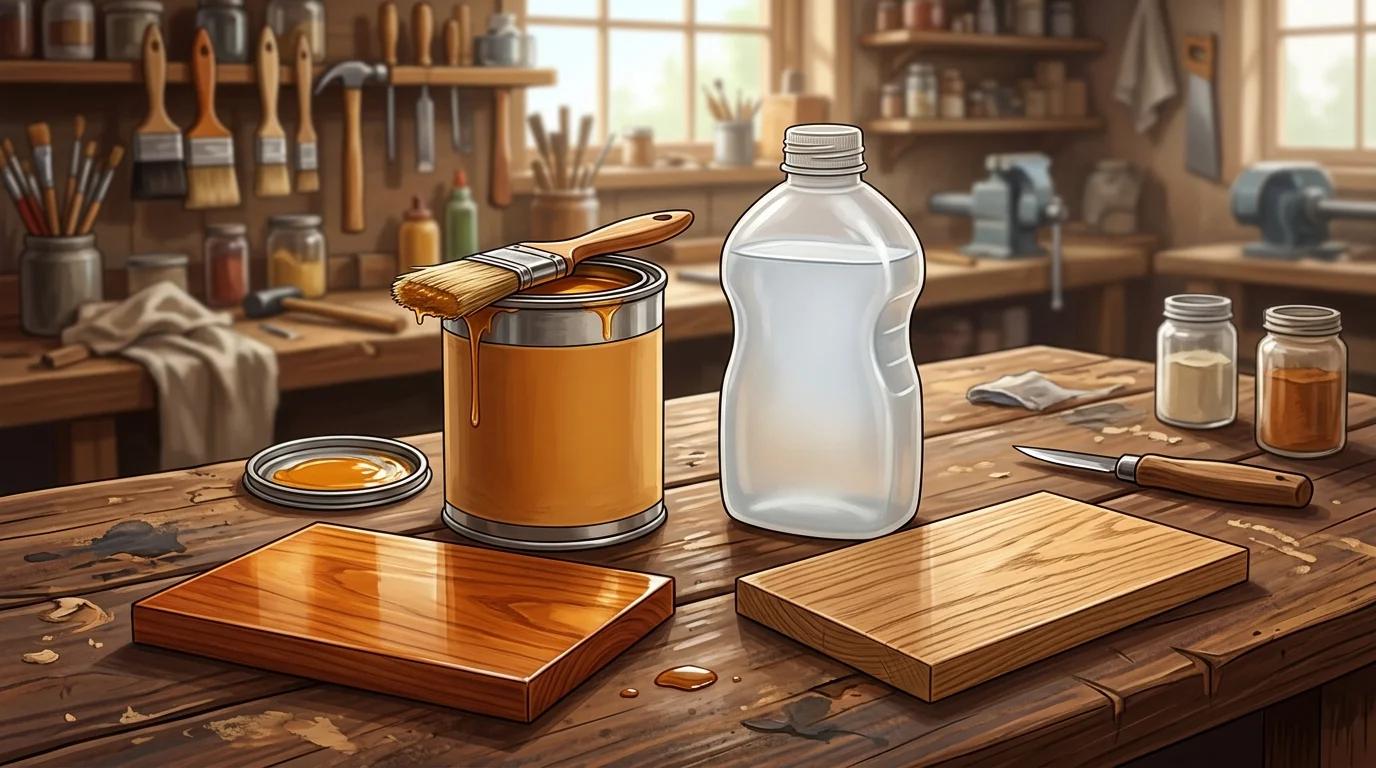
Polyurethane is a synthetic protective finish designed to create a hard, durable coating that shields wood from moisture, abrasion, chemicals, and everyday use.
It is one of the most commonly used wood finishes for residential and commercial woodworking.
Types
- Oil-based polyurethane
- Water-based polyurethane
Key Characteristics
- Extremely durable
- Highly water resistant
- Scratch resistant
- Chemical resistant
- Available in multiple sheens
- Long-lasting protective layer
Advantages
- Excellent durability
- Superior moisture protection
- Ideal for heavy-use surfaces
- Long service life
- Minimal maintenance
- Resists household cleaners
Disadvantages
- Harder to repair invisibly
- Longer drying time (especially oil-based)
- Can appear plastic-like if overapplied
- Oil-based versions may yellow over time
Best Uses
- Hardwood floors
- Kitchen tables
- Cabinets
- Staircases
- Countertops
- Children’s furniture
- Commercial furniture
Examples
Example 1
A family dining table coated with polyurethane withstands spills, scratches, and daily cleaning.
Example 2
A hardwood floor finished with polyurethane remains protected despite constant foot traffic.
Example 3
Kitchen cabinets finished with polyurethane resist grease, moisture, and frequent wiping.
Key Insight
Polyurethane is engineered primarily for protection and long-term durability.
Shellac or Polyurethane: Which Is Better?
The answer depends entirely on your project goals.
If appearance, historical authenticity, and easy repairs matter most, shellac is often the better choice.
If durability, moisture resistance, and low maintenance are your priorities, polyurethane is generally the better option.
Shellac vs Polyurethane Comparison
Key Differences
- Shellac is natural; polyurethane is synthetic.
- Shellac dries much faster.
- Polyurethane lasts significantly longer.
- Shellac repairs are almost invisible.
- Polyurethane offers much greater water resistance.
- Shellac produces a warmer traditional appearance.
- Polyurethane provides stronger protection against daily wear.
| Feature | Shellac | Polyurethane |
|---|---|---|
| Meaning | Natural resin finish | Synthetic protective coating |
| Primary Purpose | Beauty and restoration | Maximum protection |
| Durability | Moderate | Excellent |
| Water Resistance | Low | High |
| Scratch Resistance | Moderate | Excellent |
| Heat Resistance | Low | High |
| Repairability | Very Easy | More Difficult |
| Drying Time | 15–30 minutes | Several hours (varies by type) |
| Best For | Antiques, decorative furniture | Floors, tables, cabinets |
| Appearance | Warm, traditional glow | Clear protective film |
| Maintenance | More frequent | Minimal |
Real-World Usage Scenarios
Scenario 1
Homeowner: “I’m refinishing an antique walnut desk.”
Expert: “Use shellac if preserving its original appearance is your priority.”
🎯 Lesson: Shellac excels in restoration projects.
Scenario 2
Homeowner: “My kitchen table gets heavy daily use.”
Expert: “Polyurethane will provide much better protection against spills and scratches.”
🎯 Lesson: High-use furniture benefits from polyurethane.
Scenario 3
DIY Enthusiast: “I accidentally scratched my finished cabinet.”
Expert: “A shellac finish can often be repaired without refinishing the entire surface.”
🎯 Lesson: Shellac is easier to repair.
Scenario 4
Parent: “Which finish should I use on hardwood floors?”
Expert: “Polyurethane is specifically designed to withstand heavy foot traffic.”
🎯 Lesson: Floors require maximum durability.
Scenario 5
Woodworker: “I want the richest natural wood appearance.”
Expert: “Shellac produces one of the warmest and most traditional finishes available.”
🎯 Lesson: Choose shellac when visual warmth matters more than extreme durability.
Common Mistakes
Using Shellac on High-Moisture Surfaces
Mistake: Applying shellac to bathroom vanities or kitchen countertops.
Correction: Use polyurethane for areas exposed to water.
Why it happens: People underestimate shellac’s sensitivity to moisture.
Assuming Polyurethane Is Always Better
Mistake: Choosing polyurethane for every woodworking project.
Correction: Decorative and antique pieces often look better with shellac.
Why it happens: Durability is mistaken for universal suitability.
Applying Thick Coats
Mistake: Trying to finish a project in one heavy coat.
Correction: Apply several thin, even coats for better results.
Why it happens: Beginners assume thicker coatings provide stronger protection.
Ignoring Drying Times
Mistake: Handling polyurethane before it has fully cured.
Correction: Follow the manufacturer’s recommended drying and curing schedule.
Why it happens: Dry to the touch is not the same as fully cured.
Memory Tricks
Remember “S” for Shellac
S = Soft, Simple to Repair, Speedy Drying
Shellac is softer, dries quickly, and is easy to restore.
Remember “P” for Polyurethane
P = Protection, Powerful Durability, Permanent Finish
Polyurethane provides long-lasting protection against wear and moisture.
Quick Shortcut
- Beauty → Shellac
- Protection → Polyurethane
Expert Insight
Shellac and polyurethane represent two different philosophies of wood finishing.
Shellac originated centuries ago and remains a favorite for restoration because each new coat partially dissolves into the previous one, allowing repairs to blend naturally. This makes it especially valuable for preserving antique furniture and achieving a traditional appearance.
Polyurethane, by contrast, was developed to meet modern demands for durability. Instead of blending into previous coats in the same way, it forms a tough protective film that resists moisture, abrasion, and chemicals. This makes it the preferred choice for high-traffic floors, kitchen cabinets, dining tables, and other surfaces exposed to everyday wear.
Rather than asking which finish is universally “better,” experienced woodworkers ask which finish best matches the intended use of the project. Matching the finish to the environment produces the best long-term results. shellac or polyurethane.