
Quick Answer (Featured Snippet Target)
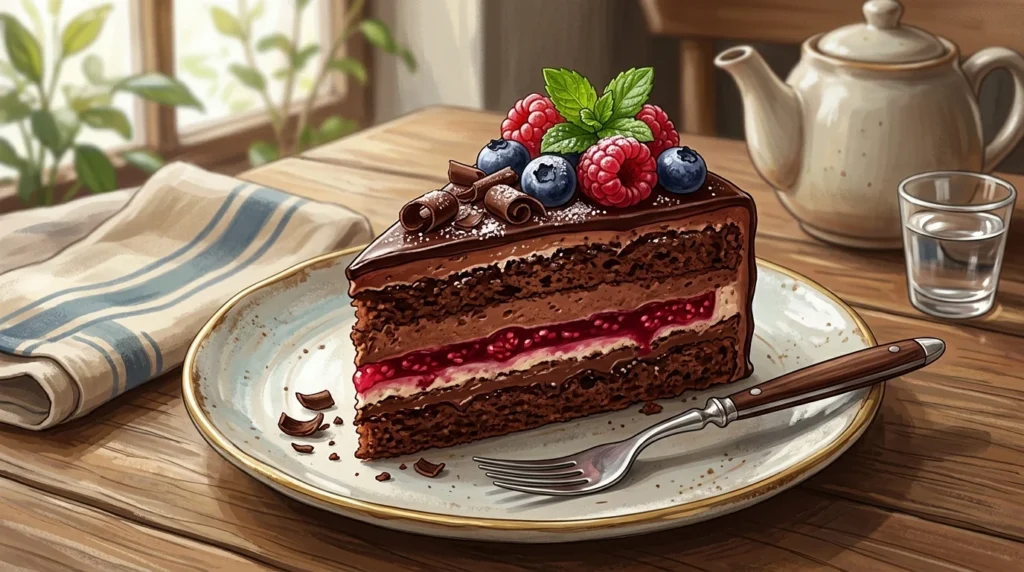
A tart is a pastry dessert made with a crisp crust and a sweet or savory filling. A torte is a rich European-style cake made primarily with nuts, eggs, butter, or chocolate and usually contains little or no flour.
In simple terms: a tart has a crust, while a torte is a dense cake.
What Is a Tart?
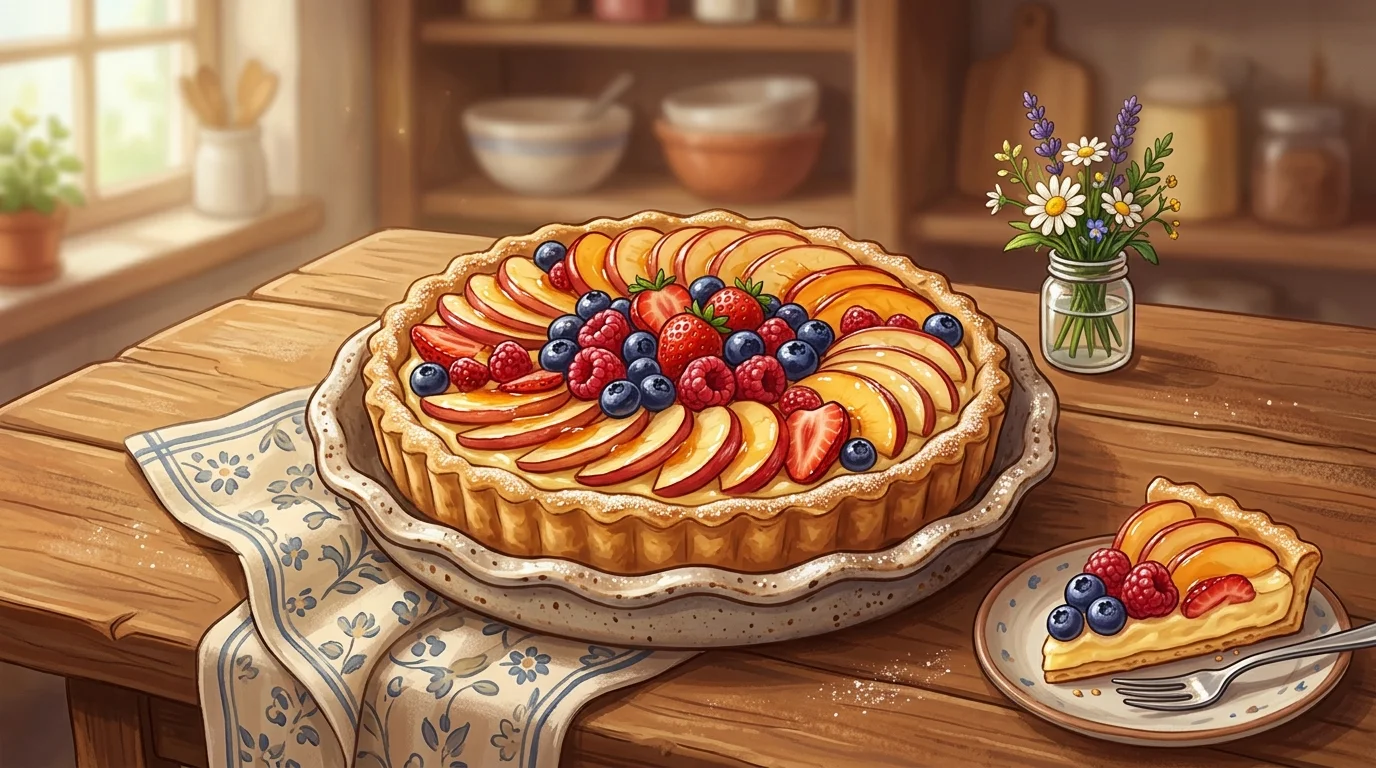
A tart is a baked dish consisting of a shallow pastry shell filled with sweet or savory ingredients.
The defining characteristic of a tart is its firm pastry crust, which remains visible and supports the filling.
Key Characteristics of a Tart
- Made with pastry dough
- Open-faced design
- Features a crisp crust
- Can be sweet or savory
- Often baked in a tart pan
Common Types of Tarts
- Fruit tart
- Lemon tart
- Chocolate tart
- Custard tart
- Tomato tart or torte
- Quiche (savory tart)
Examples of Tart Usage
- The bakery’s strawberry tart was topped with fresh berries.
- She served a lemon tart after dinner.
- The savory tart featured spinach and goat cheese.
Key Insight
The crust is the star of a tart. Without the pastry shell, it generally would not be considered a tart.
What Is a Torte?
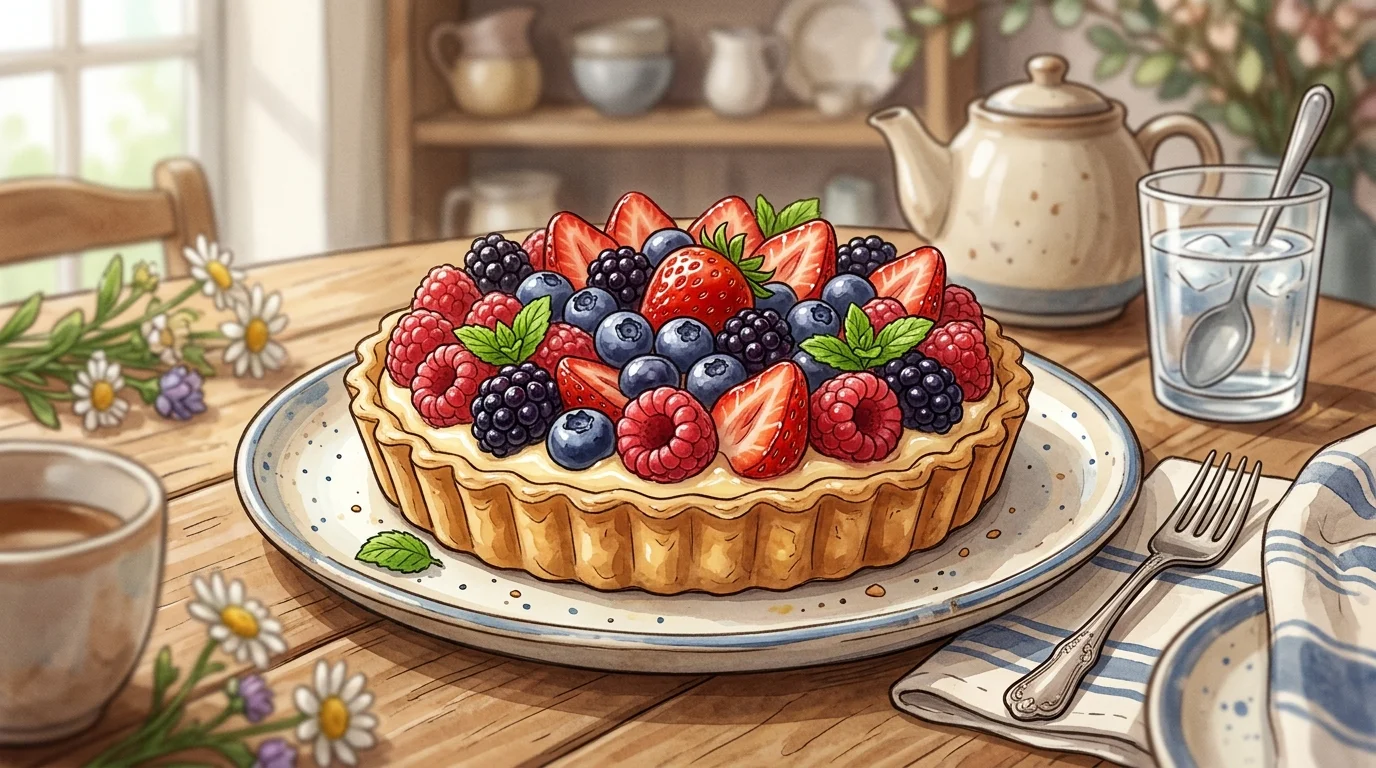
A torte is a rich, dense cake that originated in Central Europe. Unlike traditional cakes, tortes often use ground nuts, eggs, chocolate, or breadcrumbs instead of large amounts of flour. tan or beige
They are known for their luxurious texture and layered presentation. tart or torte
Key Characteristics of a Torte
- Dense cake texture
- Usually sweet
- Often contains nuts or chocolate
- Little or no flour
- Frequently layered
Common Types of Tortes
- Chocolate torte
- Hazelnut torte
- Almond torte
- Austrian torte
- Walnut torte
Examples of Torte Usage
- The chocolate torte was incredibly rich and decadent.
- They ordered a layered almond torte for the celebration.
- The bakery specializes in traditional European tortes.
Key Insight
A torte is fundamentally a cake, not a pastry.
Tart vs Torte: Major Differences
Quick Difference Summary
Tart
- Has a pastry crust
- May be sweet or savory
- Usually lighter
- Filling sits inside crust
- Often served as slices
Torte
- Is a dense cake
- Typically sweet
- Rich and indulgent
- Often layered
- Frequently contains nuts or chocolate
Comparison Table
| Feature | Tart | Torte |
|---|---|---|
| Meaning | Pastry with filling | Rich European-style cake |
| Base | Pastry crust | Cake layers |
| Texture | Crisp and flaky | Dense and moist |
| Flour Usage | Common | Often minimal |
| Sweet or Savory | Both | Mostly sweet |
| Main Focus | Crust and filling | Cake texture |
| Example | Lemon tart | Chocolate torte |
| Origin | French baking traditions | Central European baking traditions |
Real-World Usage Scenarios
Scenario 1
Customer: I’d like a slice of the chocolate tart.
Server: We have a chocolate tart and a chocolate torte. Which would you prefer?
Customer: What’s the difference?
Server: The tart has a pastry crust, while the torte is a rich flourless cake.
🎯 Lesson: Crust equals tart; dense cake equals torte.
Scenario 2
Friend: I baked a fruit torte yesterday.
Baker: Did it have a pastry shell?
Friend: Yes.
Baker: Then it was probably a fruit tart.
🎯 Lesson: Fruit desserts with pastry shells are usually tarts. tan or beige
Scenario 3
Student: Why is this chocolate dessert called a torte?
Chef: Because it’s made like a dense cake instead of using a pastry crust.
🎯 Lesson: Tortes belong to the cake family.
Scenario 4
Customer: Which dessert is richer?
Baker: Usually the torte because it contains more eggs, nuts, butter, or chocolate.
🎯 Lesson: Tortes are generally more indulgent.
Scenario 5
Home Baker: Can I call my almond cake a tart?
Instructor: Only if it has a pastry shell.
🎯 Lesson: Structure determines the name. tan or beige
Common Mistakes People Make
Mistake #1: Assuming All Fancy Desserts Are Tortes
Why It Happens
Many European desserts have sophisticated names.
Correct Understanding
A torte must be cake-based.
Mistake #2: Calling Fruit Tarts Tortes
Why It Happens
Both are commonly served in bakeries.
Correct Understanding
Fruit desserts with pastry crusts are generally tarts.
Mistake #3: Thinking Tortes Are Just Cakes
Why It Happens
They look similar.
Correct Understanding
Tortes are a specialized category of rich cakes with unique ingredients and textures.
Mistake #4: Ignoring the Crust
Why It Happens
People focus on the filling.
Correct Understanding
The crust is one of the most important identifiers of a tart.
Memory Tricks to Remember the Difference
Trick #1: TART = Tray of Filling in a Crust
Think of a tart as a filling sitting inside a pastry shell.
Remember:
Tart = Crust First
Trick #2: TORTE = Thick European Cake
The word torte is commonly associated with rich European cakes.
Remember:
Torte = Thick Cake
Trick #3: Look for Layers
If you see cake layers, it’s probably a torte.
If you see a pastry shell, it’s probably a tart.
Expert Insight: Why These Desserts Are Different
From a culinary perspective, the distinction comes down to structure and composition. tan or beige
A tart belongs to the pastry family because its defining feature is the crust. The filling can vary dramatically—from fruit and custard to vegetables and cheese—but the pastry shell remains essential. tart or torte
A torte, meanwhile, evolved from Central European baking traditions where ground nuts, eggs, butter, and chocolate were used to create dense, luxurious cakes. Many classic tortes intentionally reduce flour to produce a richer texture than standard cakes.
This is why professional bakers classify tarts and tortes into entirely different dessert categories despite their similar tan or beige appearance on dessert menus.