
Quick Answer
Staples or Stitches: Which Is Better?
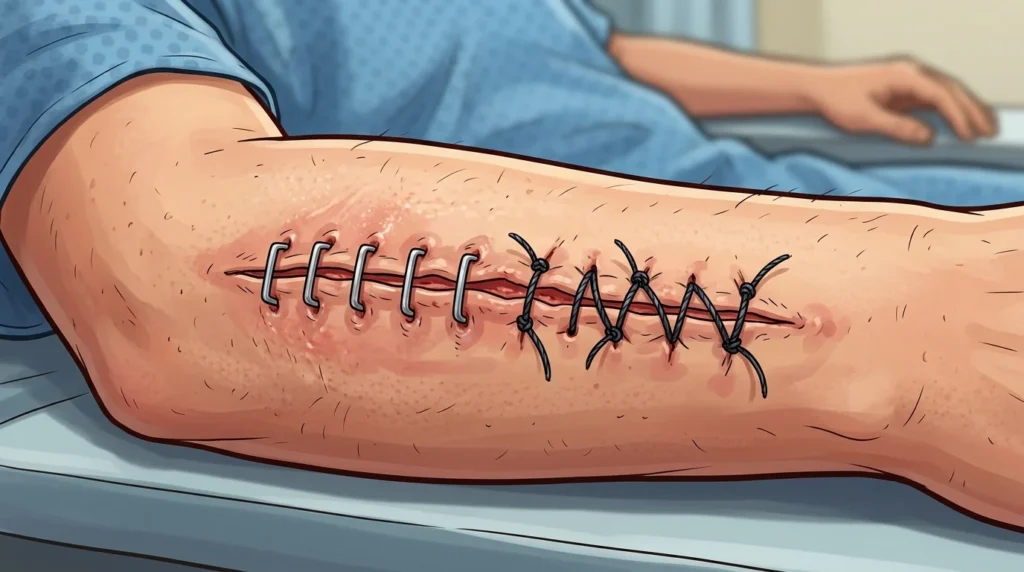
Neither staples nor stitches are universally better. Staples are usually faster to apply and are often used for long surgical incisions, especially on the scalp or after major operations. Stitches provide greater precision and are commonly used for facial wounds, delicate tissues, and injuries where cosmetic appearance is important.
Understanding Staples
What Are Staples?
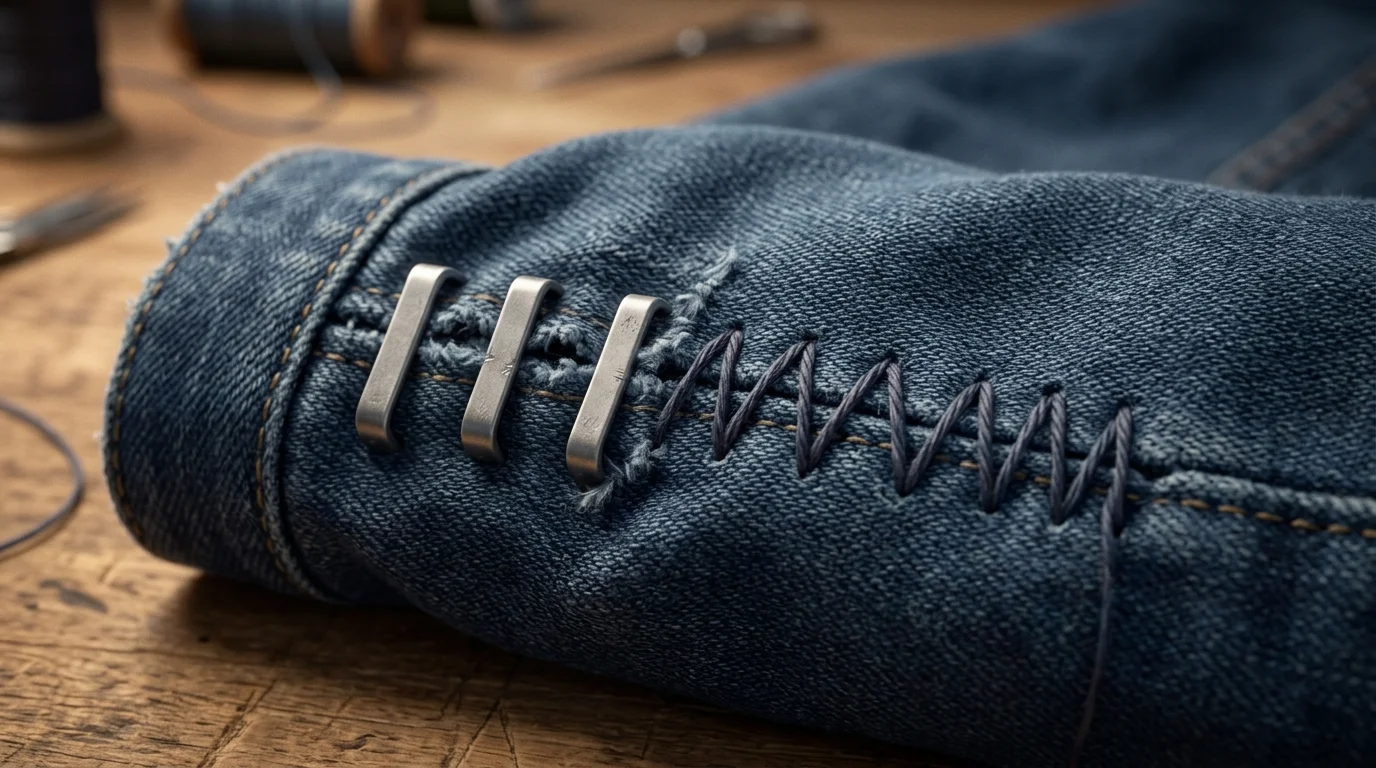
Medical staples are sterile metal clips or absorbable alternatives designed to hold the edges of a wound together while it heals.
Healthcare professionals typically use a specialized surgical stapler to place them quickly and securely.
When Are Staples Used?
Staples are commonly used for:
- Large surgical incisions
- Scalp lacerations
- Orthopedic surgeries
- Hip and knee replacement surgeries
- Abdominal operations
- Emergency trauma care
Advantages of Staples
- Faster application
- Consistent wound closure
- Effective for high-tension wounds
- Reduced operating room time
- Strong wound support
Disadvantages of Staples
- Usually more noticeable
- May leave visible staple marks
- Less suitable for delicate cosmetic areas
- Require removal unless absorbable
Examples
- Closing an incision after knee replacement surgery
- Repairing a scalp injury after an accident
- Closing a long abdominal incision after surgery
Key Insight
Staples are often chosen when speed, strength, and efficiency are priorities.
Understanding Stitches
What Are Stitches?
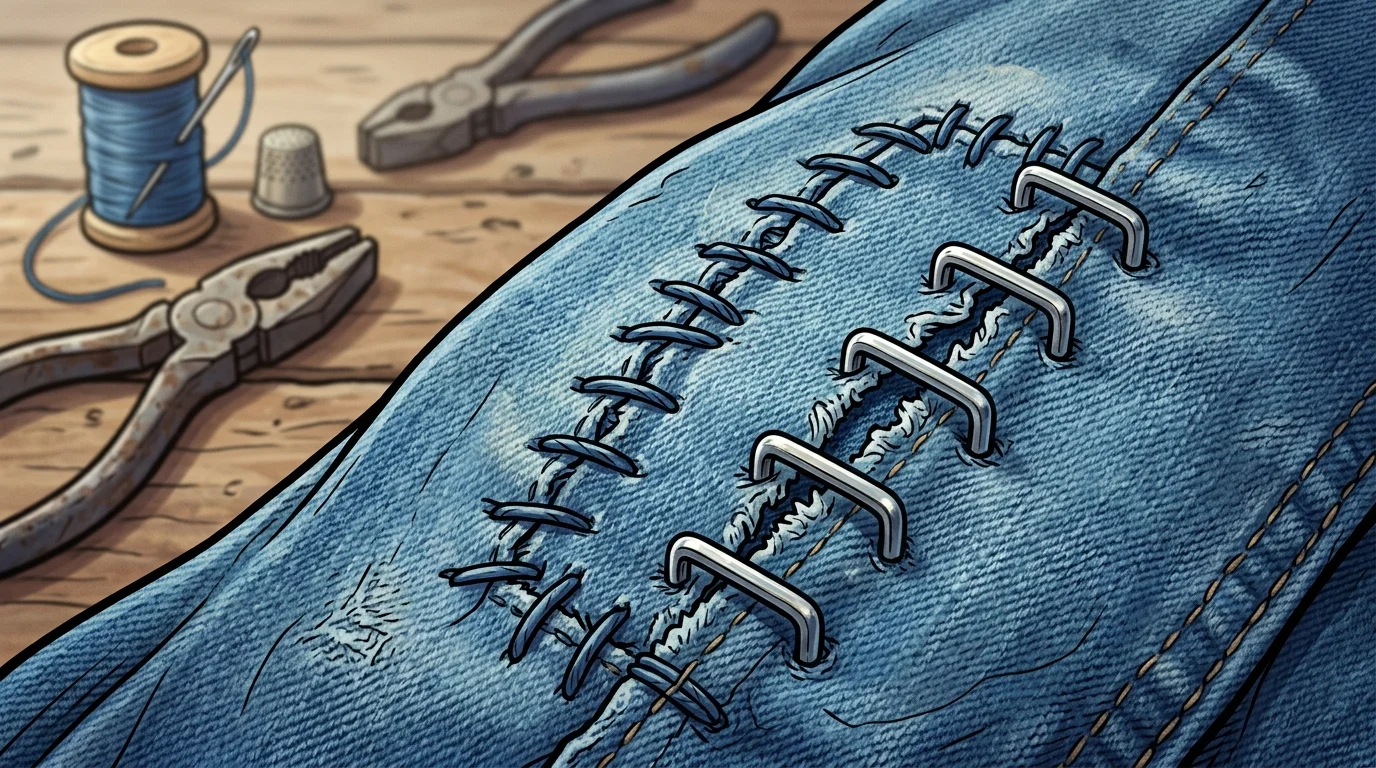
Stitches, also called sutures, are threads used to sew wound edges together while healing occurs.
They may be absorbable or non-absorbable, depending on the wound and body location.
When Are Stitches Used?
Stitches are commonly used for:
- Facial cuts
- Hand injuries
- Plastic surgery
- Deep tissue repair
- Internal organs
- Small surgical incisions
Advantages of Stitches
- Precise wound alignment
- Better cosmetic outcomes
- Suitable for delicate tissues
- Multiple suture types available
- Can repair deeper tissue layers
Disadvantages of Stitches
- Take longer to place
- Require greater technical skill
- Some require later removal
- Longer procedure time
Examples
- Repairing a facial laceration
- Closing a hand injury
- Internal surgical repairs
Key Insight
Stitches are often preferred when precision and cosmetic healing matter most.
Staples or Stitches: Key Differences
Main Differences
- Staples are generally faster to apply than stitches.
- Stitches offer greater precision.
- Staples are common for long surgical incisions.
- Stitches are preferred for facial and cosmetic areas.
- Both methods can achieve excellent healing when appropriately selected.
Comparison Table
| Feature | Staples | Stitches |
|---|---|---|
| Meaning | Metal clips used to close wounds | Surgical threads used to sew wounds closed |
| Application Speed | Very fast | Slower |
| Precision | Moderate | High |
| Cosmetic Results | Good | Often better for visible areas |
| Common Uses | Major surgeries, scalp wounds | Facial cuts, hands, delicate tissues |
| Removal | Often required | Depends on suture type |
| Healing Support | Excellent for high tension | Excellent for precise closure |
Healing Time
Staples
- Often removed within 7–14 days, depending on the wound location.
- Frequently used where rapid closure is beneficial.
Stitches
- Removal timing varies by body area.
- Absorbable stitches dissolve naturally.
- Non-absorbable stitches require removal after healing begins.
Always follow your healthcare provider’s instructions for wound care and removal timing.
Pain: Staples vs Stitches
Many people wonder which option hurts more.
- Receiving either staples or stitches is usually done after local anesthesia or during surgery, so discomfort during placement is often limited.
- Some people report staple removal feels quick but briefly uncomfortable.
- Stitch removal is also generally well tolerated, though individual experiences vary.
Pain depends more on the injury, body location, and healing process than on the closure method alone.
Real-World Usage Scenarios
Scenario 1
A patient undergoes knee replacement surgery.
The surgeon closes the incision with staples.
🎯 Lesson: Staples are commonly used for long orthopedic surgical incisions.
Scenario 2
A child receives a small cut above the eyebrow.
The physician uses fine stitches.
🎯 Lesson: Stitches often provide better cosmetic results on the face.
Scenario 3
A cyclist suffers a scalp laceration after a fall.
The emergency physician closes it with staples.
🎯 Lesson: Staples are frequently chosen for scalp wounds because they are fast and effective.
Scenario 4
A plastic surgeon repairs a facial wound.
Fine stitches are selected to minimize visible scarring.
🎯 Lesson: Precision is especially important for cosmetic procedures.
Scenario 5
A patient has abdominal surgery.
The surgeon chooses the closure method based on the incision, tissue layers, and healing needs.
🎯 Lesson: The best choice depends on the specific surgical situation rather than a single universal rule.
Common Mistakes
Assuming Staples Always Heal Faster
Staples are quicker to apply, but overall healing depends on the wound, your health, and proper aftercare.
Why it happens: People confuse application speed with healing speed.
Thinking Stitches Always Leave Smaller Scars
Scar appearance depends on wound location, tension, infection, genetics, and wound care—not only the closure method.
Why it happens: Many factors influence scar formation.
Trying to Remove Staples or Stitches Yourself
Removal should be performed only when advised by a healthcare professional.
Why it happens: Removing them too early can reopen the wound and increase the risk of complications.
Memory Tricks
Easy Way to Remember
Staples = Speed + Strength
Think of staples when rapid closure of larger wounds is needed.
Another Trick
Stitches = Sewing + Precision
Imagine sewing fabric carefully for a neat finish.
Expert Insight
Both staples and stitches are well-established wound-closure techniques supported by decades of surgical practice. The decision is based on clinical factors such as wound tension, location, tissue type, infection risk, expected cosmetic outcome, and the patient’s overall condition.
Rather than asking which option is “better,” healthcare professionals focus on which method is most appropriate for the specific wound. Following wound-care instructions, keeping the area clean, and attending follow-up appointments are just as important as the closure method itself.
Frequently Asked Questions
Are staples stronger than stitches?
Staples provide strong skin closure for many surgical incisions, particularly those under tension. However, strength requirements vary by wound, and stitches may be preferable for delicate or layered repairs.
Do staples leave bigger scars?
Not necessarily. Scar appearance depends on many factors, including wound location, healing, infection, and aftercare.
Are stitches better for the face?
Yes. Stitches are commonly preferred for facial wounds because they allow precise alignment of the skin, which can improve cosmetic outcomes.
Which is more common after surgery?
Both are widely used. Surgeons choose the method that best suits the procedure and the patient’s needs. staples or stitches.